
Overview
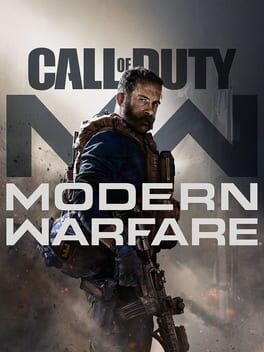
When Activision announced that the upcoming Call of Duty: Modern Warfare 4 would feature news footage from the 2022 Itaewon disaster to illustrate a fictional North Korean incursion, the reaction was immediate and visceral. The tragedy in Seoul’s nightlife district claimed over 150 lives and left a deep scar on South Korean society; its inclusion in a hyper‑realistic shooter raised questions about the ethical line between immersive storytelling and exploitation of real human suffering. Families of victims, already grappling with grief, voiced outrage across social media and Korean news outlets, condemning what they described as an “appalling” commodification of their loss.
Beyond the moral outcry, the incident arrives at a precarious moment for the franchise. Call of Duty has dominated the console war for over a decade, anchoring both PlayStation and Xbox ecosystems with its annual releases and lucrative live‑service model. Yet the series has faced a series of reputational bumps—from micro‑transaction backlash to concerns over crunch culture—making this controversy a potential inflection point. In an industry where brand equity is increasingly tied to social responsibility, the decision to embed real‑world tragedy into a blockbuster title threatens to erode the goodwill that Activision has painstakingly built with its core audience.
What Happened?
During a pre‑release showcase, the developers displayed a cinematic sequence that blended in‑game assets with a grainy broadcast clip of the Itaewon crowd crush. The footage was presented as a “news report” within the game’s narrative framework, meant to heighten the stakes of the fictional invasion scenario. However, the clip was not blurred or contextualized; instead, it showed the chaotic aftermath, complete with panicked civilians and emergency responders—images that families of the actual victims recognized instantly.
Following an outpouring of condemnation, Activision issued a public apology, acknowledging that the inclusion was “misguided” and promising an immediate removal of the segment from all pre‑order and digital builds. The company also announced an internal review of its content‑approval pipeline, citing a “breakdown in cross‑regional oversight.” Senior producer statements indicated that the footage was intended as a “historical reference” but was mistakenly treated as generic stock material, a lapse that the publisher now vows to rectify before the game’s slated November launch.
Analysis
The fallout from this misstep could reverberate across the shooter market in several ways. First, consumer trust—particularly among the franchise’s dedicated fanbase—may be dented, translating into a measurable dip in pre‑order momentum at a time when competitors such as Battlefield 2042 and emerging live‑service titles are vying for the same demographic. Moreover, the controversy forces platform holders to reassess their content‑moderation responsibilities; both Sony and Microsoft have historically positioned themselves as guardians of community standards, and a high‑profile blunder like this may compel them to tighten certification requirements for future releases.
On a broader scale, the episode underscores a growing tension between the pursuit of cinematic realism and the ethical stewardship of real‑world events. The gaming industry has increasingly flirted with archival footage—whether to lend authenticity to war simulations or to comment on contemporary geopolitics—but the lack of a unified framework for vetting such material leaves developers vulnerable to public backlash and potential legal challenges. As regulators worldwide begin to scrutinize digital media for misinformation and cultural insensitivity, studios are likely to invest in more robust compliance teams, AI‑driven content checks, and localized review boards to pre‑empt similar incidents.
XPLog Opinion
From XPLog’s perspective, Activision’s swift apology, while necessary, is insufficient without a transparent overhaul of its creative pipeline. The franchise’s longevity hinges on a delicate balance: delivering the visceral, high‑octane experience that fans crave while respecting the lived realities that inspire its narratives. A failure to embed rigorous cultural vetting will not only alienate a global audience but also set a dangerous precedent for other studios chasing “real‑world relevance” at the expense of empathy. We urge Activision to partner with regional historians and survivor advocacy groups moving forward, turning this crisis into a catalyst for industry‑wide best practices.
Final Thoughts
As the November release window approaches, the coming weeks will be critical for Activision to demonstrate that corrective action extends beyond a simple patch. Stakeholders should monitor the upcoming “Day 0” update schedule, the publisher’s detailed post‑mortem report, and any shifts in certification guidelines from Sony and Microsoft. If handled with genuine accountability, the controversy could evolve into a teachable moment that reshapes how blockbuster shooters engage with real‑world events; mishandled, it may accelerate a slow erosion of trust that could echo through the franchise’s future titles.