
Overview
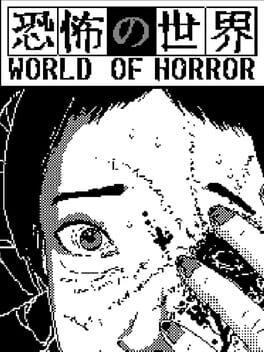
Since its surprise launch in early 2022, World of Horror has carved a niche at the intersection of retro‑pixel aesthetics and the unsettling visual language pioneered by manga master Junji Ito. The Polish studio behind the title leveraged a deliberately lo‑fi presentation to mask a surprisingly deep systems design, offering a turn‑based combat engine, a branching narrative web, and a procedurally generated dread that feels both familiar and fresh. In an era where blockbuster franchises dominate console storefronts, the game’s success has demonstrated that a tightly crafted horror experience can thrive on PC and console platforms alike, especially when it taps into the cultural appetite for Lovecraftian and body‑horror storytelling.
That appetite has been further amplified by a broader industry shift toward post‑launch support that treats free content as a strategic pillar rather than an afterthought. Developers from AAA studios to indie collectives now view substantial updates as a way to extend shelf life, nurture community engagement, and justify continued investment in a title’s live‑service infrastructure. Within this context, the “As Below So Above” patch arrives not merely as a goodwill gesture but as a calculated move to cement World of Horror’s position in the crowded horror‑RPG segment and to showcase the studio’s capacity for sustained, high‑quality delivery.
What Happened?
The latest free update, dubbed “As Below So Above,” injects two full‑scale Old God invasions into the game’s already labyrinthine mythos. These invasions are anchored by four distinct cults, each attempting to summon a different eldritch entity in a synchronized ritual that threatens to tear the fabric of the game world. Players are now tasked with uncovering cryptic clues, disrupting the cults’ ceremonies, and ultimately confronting the abominations they summon—a design decision that expands the narrative stakes while preserving the series’ signature sense of impending doom.
Beyond the narrative fireworks, the patch delivers a substantial content swell: dozens of new enemies, fresh mysteries to solve, additional characters with their own tragic backstories, a suite of items and spells that deepen combat strategy, and a host of curses and injuries that push the game’s “gruesome realism” to new heights. The developers also bundled a comprehensive quality‑of‑life overhaul, addressing long‑standing UI quirks, streamlining inventory management, and squashing a litany of bugs that have lingered since launch. The juxtaposition of “injuries” with “quality‑of‑life” improvements is intentional, underscoring the studio’s commitment to making even the most brutal gameplay moments feel polished and accessible.
Analysis
From a market perspective, the update reinforces the viability of a free‑content model for indie horror titles. By delivering a content package that rivals the scope of many paid DLCs, the studio not only re‑engages its existing player base but also creates a compelling entry point for newcomers who may have been hesitant to invest in a niche genre. This approach can translate into higher concurrent player counts, increased word‑of‑mouth promotion, and a stronger position when negotiating platform placement or promotional opportunities on storefronts such as Steam, Xbox Game Pass, or PlayStation Plus.
Technically, integrating two Old God invasions into a procedurally generated engine poses non‑trivial challenges. The team had to ensure that the new cult mechanics mesh seamlessly with the existing random encounter system, avoid breaking quest progression, and balance the added difficulty curve so that veteran players feel tested without alienating newcomers. The successful rollout suggests a mature development pipeline and a deep understanding of modular content design—skills that will serve the studio well as it contemplates future expansions or perhaps a sequel that builds upon this expanded mythos.
XPLog Opinion
At XPLog we view “As Below So Above” as a masterclass in post‑launch stewardship: it proves that an indie studio can sustain a horror franchise without resorting to aggressive monetisation, while still delivering a content drop that feels like a genuine love letter to its community. The update’s blend of narrative depth, mechanical refinement, and sheer grotesque creativity sets a benchmark for how niche games should evolve in a market saturated with micro‑transactions and shallow seasonal passes.
Final Thoughts
World of Horror’s ambitious free update not only deepens the game’s unsettling lore but also signals a broader industry trend where indie developers leverage substantial post‑launch content to compete with heavyweight franchises. Players should keep an eye on the studio’s communications over the coming months, as hints of a possible “Beyond the Veil” expansion have already begun to surface, promising even more cosmic terror and perhaps a foray into new platforms. For now, the “As Below So Above” patch stands as a testament to what can be achieved when passion, polish, and strategic foresight converge.