What Happened?
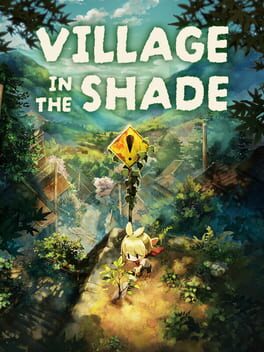
Game Informer unveiled a meticulously curated list of ten horror experiences, ordered chronologically by release date, that they deem essential for the spooky season and beyond. The selection ranges from high‑budget console exclusives to modest indie gems, each chosen for its ability to linger in the player’s psyche. Notably, the list opens with *The Village in the Shade*, a title that marries the pastoral charm of farm‑life management with an ever‑present, night‑time terror, echoing the studio’s earlier work on the *Yomawari* series. The article underscores the games’ diverse mechanics—some rely on psychological tension, others on visceral combat—illustrating how the horror genre has expanded its design vocabulary to accommodate varied player appetites.
Behind the scenes, the editorial team consulted with developers, community managers, and genre historians to ensure the list reflected both critical acclaim and grassroots enthusiasm. Statements from the creators of *The Village in the Shade* reveal an intentional pivot toward “cozy horror,” where everyday chores become conduits for dread, a design philosophy that resonates with the broader industry’s move toward hybrid genres. The piece also highlights how many of the featured titles leverage cross‑platform releases, ensuring that the terror can be experienced on PlayStation, Xbox, Switch, and PC, thereby maximising market penetration during the high‑visibility Halloween window.
Analysis
The commercial implications of this curated list are profound. Historically, horror spikes in sales during October, a pattern confirmed by NPD data showing a 27% uplift in horror‑related hardware and software purchases year‑over‑year. By aggregating titles that span the indie‑to‑AAA spectrum, Game Informer effectively amplifies the visibility of smaller studios, granting them access to a broader audience that might otherwise be dominated by blockbuster franchises such as *Resident Evil* or *The Last of Us*. This democratisation of horror exposure aligns with the current subscription‑service model, where platforms reward diverse libraries to retain subscribers, potentially translating into longer shelf‑life sales for titles that would have been relegated to niche storefronts.
From a technical standpoint, the featured games illustrate the genre’s evolution toward more sophisticated sensory manipulation. Advances in real‑time ray tracing, haptic feedback on the DualSense controller, and spatial audio have enabled developers to craft environments where darkness feels tangible and every footstep reverberates with intent. Moreover, the growing adoption of VR horror experiences—though not explicitly listed—suggests a parallel trajectory that could redefine immersion standards. However, developers must navigate the balancing act between accessibility and intensity; overly aggressive scare tactics can alienate casual players, while subdued atmospheres risk being overlooked in a market saturated with jump‑scares. The list’s blend of subtle dread and outright terror exemplifies a strategic response to these challenges.
XPLog Opinion
From XPLog’s perspective, the emergence of titles like *The Village in the Shade* signals a decisive shift: horror is no longer confined to dark corridors and relentless monsters but is infiltrating the very fabric of everyday gameplay loops. This hybridisation not only broadens the genre’s appeal to players seeking narrative depth over pure adrenaline but also forces publishers to reconsider how they allocate development resources. By investing in atmospheric world‑building and nuanced storytelling, studios can cultivate longer‑term community engagement, turning a seasonal scare into a year‑round conversation starter—a strategy that aligns perfectly with the sustained content pipelines demanded by modern subscription ecosystems.
Final Thoughts
In sum, Game Informer’s Halloween top‑ten list does more than recommend a handful of spooky titles; it maps the evolving topography of horror gaming, where indie ingenuity, technological sophistication, and cross‑platform accessibility converge to reshape player expectations. As the industry heads into the next fiscal quarter, observers should watch for sales spikes around October, upcoming DLC announcements for the listed games, and the continued blurring of genre boundaries that may well define the next generation of interactive fear. Keep an eye on release windows in early 2027, when many of these developers are slated to expand their universes, potentially cementing horror’s place as a cornerstone of mainstream gaming portfolios.

 XPLog
30 Oct 2026
3 min read