
Overview
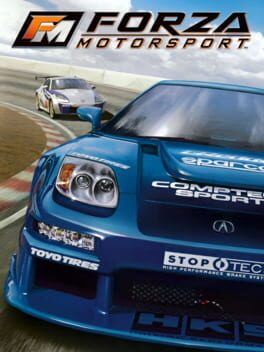
After a quarter‑century of shaping Microsoft’s flagship racing franchise, Dan Greenawalt’s exit from Turn 10 marks one of the most significant personnel shifts in the company’s recent history. Greenawalt joined the fledgling studio in 1997, just as the original Project Car era was giving way to the Xbox’s first foray into realistic motorsport simulation. Over the next 27 years he shepherded the evolution from the early Forza Motorsport titles to the current generation’s blend of high‑fidelity graphics, live service updates, and cross‑play ambition, turning Forza into a cultural touchstone that rivals the legacy of Gran Turismo on PlayStation.
His departure arrives on the heels of a sweeping restructuring effort that saw Microsoft cut 3,200 jobs and shutter four studios earlier this year, a campaign designed to streamline the Xbox Game Studios portfolio and concentrate resources on “shared‑engine” initiatives. The merger of Turn 10 with Playground Games—known for the critically acclaimed Forza Horizon series—represents the latest chapter in that consolidation, promising a unified development pipeline but also raising questions about creative autonomy, brand identity, and the future of the franchise’s dual‑track approach.
What Happened?
In a brief statement released to the press on Monday, Greenawalt confirmed his resignation, citing a desire to explore new challenges after nearly three decades at Microsoft. The announcement was accompanied by a formal acknowledgement from Xbox that Turn 10 would now operate as a sub‑studio within the larger Playground Games umbrella, sharing technology stacks, talent pools, and production schedules. While the exact timeline for the integration remains fluid, insiders suggest that the first joint title could emerge as early as the 2025 fiscal year, blending Turn 10’s simulation pedigree with Playground’s open‑world expertise.
Microsoft’s leadership framed the move as a strategic “synergy” effort, emphasizing that the combined studio will leverage the new “Forza Engine”—a cross‑platform, cloud‑ready architecture built on the latest iteration of the Azure‑powered graphics pipeline. The goal, according to senior Xbox executives, is to deliver a more consistent experience across both the Motorsport and Horizon lines, reduce duplicated tooling costs, and accelerate the rollout of new content updates that keep pace with the evolving expectations of a player base that now numbers over 20 million active users worldwide.
Analysis
The consolidation could reshape the competitive landscape of racing games in several ways. First, by unifying the two development teams, Xbox gains a single, more powerful R&D engine that can rival the resources of Sony’s Polyphony Digital and Electronic Arts’ Codemasters, both of which have historically dominated the high‑end simulation market. Second, the shared engine promises tighter integration with Xbox Game Pass, allowing Microsoft to push live‑service updates, seasonal events, and even cross‑title progression systems at a speed previously unattainable. However, the merger also carries risk: blending two distinct studio cultures may dilute the meticulous attention to realism that Turn 10 fans cherish, while Playground’s more arcade‑leaning sensibilities could alienate the hardcore simulation audience if not carefully balanced.
XPLog Opinion
From XPLog’s perspective, Greenawalt’s exit is both a warning sign and an opportunity. The loss of a visionary who has been the steady hand behind Forza’s technical evolution could leave a creative vacuum, yet it also opens the door for fresh leadership to redefine the franchise’s identity in an era where cloud gaming and subscription models dominate. We believe the true test will be whether the merged studio can preserve the simulation depth that has long set Forza apart while capitalising on Playground’s knack for crafting vibrant, accessible worlds—a synthesis that could cement Xbox’s position as the definitive home for racing enthusiasts.
Final Thoughts
As the industry watches the fallout of Microsoft’s restructuring, the next few quarters will be crucial for gauging how the Turn 10‑Playground amalgam will perform both technically and commercially. Players should keep an eye on the upcoming Xbox “State of Play” in early 2025, where Microsoft is expected to reveal the first concrete roadmap for the unified Forza line‑up, as well as any potential leadership appointments that will fill the void left by Greenawalt’s departure.