
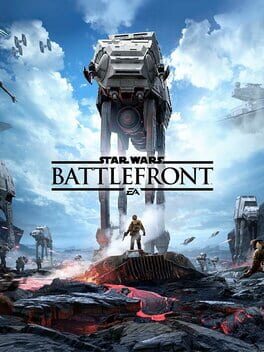
Overview
Electronic Arts has long walked the tightrope between nurturing its premier development studios and extracting the maximum return on its blockbuster licences. BioWare, the studio behind the genre‑defining Mass Effect and Dragon Age sagas, has historically been both a creative beacon and a fiscal liability, delivering critically acclaimed narratives while occasionally stumbling on launch schedules and budget overruns. In the past decade, EA’s broader portfolio has shifted toward live‑service models and high‑visibility licensed properties, a trend accelerated by the success of titles such as FIFA, Madden, and the Star Wars Battlefront franchise. This strategic pivot has placed BioWare under increasing scrutiny, as shareholders demand consistent quarterly growth and the board looks for quick‑to‑market, high‑margin products.
At the same time, the sci‑fi gaming market has become a fiercely contested arena. The resurgence of Star Wars in popular culture, bolstered by Disney’s streaming juggernaut and a string of successful cinematic releases, has turned the galaxy far, far away into a lucrative playground for interactive experiences. Conversely, the Mass Effect series, despite a mixed reception to its 2017 reboot, retains a passionate fanbase hungry for a true sequel that resolves long‑standing narrative arcs. Within this context, EA’s decision‑making process was forced to weigh the comparative risk‑reward profiles of two massive undertakings: a next‑generation Mass Effect entry that would require rebuilding a franchise’s reputation, versus a third instalment of Battlefront that could capitalize on an already proven formula and a globally recognized licence.
What Happened?
According to a recent investigative report, EA’s senior leadership presented BioWare with an ultimatum in early 2024: allocate the majority of the studio’s development resources to a new Star Wars Battlefront title, or divert them to a long‑awaited Mass Effect 5. The internal memo, leaked to industry observers, indicated that the board had set a hard deadline for a Battlefront prototype to be delivered within six months, a timeline that would effectively preclude the simultaneous development of a full‑scale Mass Effect sequel. BioWare’s creative leads, who had already begun pre‑production on Mass Effect 5, were forced to halt work, reassign talent, and pivot toward a franchise that, while financially secure, offered fewer opportunities for narrative innovation.
The decision to prioritize Battlefront 3 was reportedly driven by a confluence of factors: a looming fiscal year end, a strategic partnership with Disney that included revenue‑sharing incentives, and market analytics suggesting that a new Battlefront entry could generate upwards of $1 billion in combined sales and micro‑transaction revenue within its first two years. By contrast, the projected financial upside of Mass Effect 5, though potentially significant, was clouded by uncertainties surrounding player reception after the 2017 reboot’s polarising response. Consequently, EA opted to shutter BioWare’s dedicated Mass Effect pipeline, reallocating its core talent pool to the Battlefront project and effectively closing the studio’s independent operations.
Analysis
The immediate market impact of this move is two‑fold. First, it reinforces EA’s reputation as a publisher that favours short‑term revenue streams over long‑term brand stewardship, a perception that could erode goodwill among core gamers who value narrative depth and studio stability. Second, it reshapes the competitive landscape for sci‑fi RPGs, leaving a vacuum that rivals such as CD Projekt Red and Bethesda may be poised to fill with their own ambitious space‑opera titles. The technical challenges of delivering a next‑gen Battlefront experience—particularly in integrating cutting‑edge photorealistic rendering, large‑scale multiplayer infrastructure, and seamless cross‑play—are non‑trivial, yet EA’s deep pockets and existing engine pipelines (Frostbite) provide a solid foundation.
From a financial standpoint, the decision aligns with EA’s broader “Live‑Service First” doctrine, which has proven resilient during periods of market volatility. However, the long‑term risk lies in the potential alienation of the Mass Effect community, a demographic that historically drives high engagement through DLCs, merchandise, and community‑generated content. If EA fails to deliver a Battlefront sequel that meets the heightened expectations set by previous entries, the short‑term gain could be offset by a loss of brand equity across its entire sci‑fi portfolio. Moreover, the closure of BioWare as an autonomous studio may signal to other internal teams that creative autonomy is expendable, potentially stifling innovation across EA’s ecosystem.
XPLog Opinion
At XPLog UK we view EA’s hard‑line gamble as a cautionary tale of corporate myopia: the allure of an instantly monetisable licence has eclipsed the strategic value of nurturing a flagship narrative franchise. While the Battlefront franchise promises immediate cash flow, the erasure of BioWare’s independent voice undermines the very diversity that keeps the gaming market vibrant. In our assessment, EA has traded a sustainable, story‑driven pillar for a fleeting spike in revenue, a move that may cost them dearly in player loyalty and long‑term brand health.
Final Thoughts
The fallout from EA’s decision will reverberate throughout the industry over the coming years, as fans watch for the first public demo of Star Wars Battlefront 3 slated for early 2025 and as the community continues to petition for a revived Mass Effect saga. Whether EA can translate its strategic gamble into lasting profit, or whether the loss of BioWare’s creative independence will become a rallying point for competitors, remains to be seen. Keep an eye on EA’s quarterly earnings releases and Disney’s licensing updates for the next clear indicators of how this high‑stakes choice will shape the sci‑fi gaming frontier.