
Overview
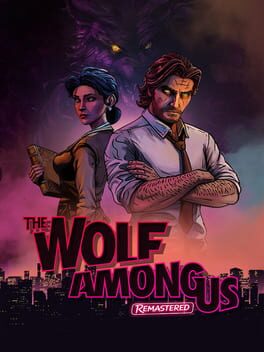
The launch of a remastered classic is normally a moment for celebration, especially when it arrives on the latest generation hardware with promises of visual fidelity upgrades, faster load times, and, crucially, a price‑friendly pathway for existing owners. TellTale Games, resurrected under new leadership after its 2018 collapse, positioned the PS5 version of The Wolf Among Us as a flagship example of how legacy narrative adventures could be revitalised for modern consoles while rewarding loyal fans with a discounted upgrade. This strategy dovetails with Sony’s broader push to incentivise migration from PS4 to PS5, a transition that has been bolstered by a series of cross‑generation discounts across the platform’s catalogue.
Yet the gaming marketplace has become increasingly unforgiving when promised incentives fail to materialise. In an era where digital storefronts dominate and price perception can sway purchasing decisions by millions, a broken discount mechanism does more than inconvenience a handful of players – it erodes trust in both the publisher and the console ecosystem. The incident arrives at a time when the industry is grappling with the economics of remasters, the balance between premium pricing and consumer goodwill, and the technical complexities of linking legacy entitlements to new‑gen releases.
What Happened?
Last week, TellTale announced a limited‑time upgrade offer: owners of the PS4 edition of The Wolf Among Us could purchase the remastered PS5 version at a steep discount, with the same deal extended to PlayStation Plus subscribers as a courtesy perk. The promotion was advertised across official channels, complete with a clear call‑to‑action and a deadline that encouraged swift uptake. However, shortly after the announcement went live, a wave of reports surfaced on social media and community forums indicating that the discount code either failed to apply at checkout or was entirely invisible to eligible users.
Players described the frustration of seeing the full retail price despite meeting every criterion outlined in the announcement. Some cited error messages suggesting the system could not verify ownership of the PS4 copy, while others reported that the discount simply never appeared in the store UI. The issue appears to be systemic rather than isolated, affecting both direct purchasers and those attempting to redeem the offer through the PS Plus library. As of the time of writing, TellTale has issued a brief statement acknowledging “technical difficulties” and promising a resolution, but concrete timelines remain vague.
Analysis
The immediate fallout is a dent in TellTale’s brand rehabilitation efforts. After a high‑profile bankruptcy and subsequent acquisition, the studio’s credibility hinges on delivering on player promises, especially in a niche market where narrative-driven titles rely heavily on community advocacy. A malfunctioning discount not only jeopardises short‑term revenue from the upgrade but also risks alienating a core demographic that values transparency and fair pricing. Comparatively, competitors such as Capcom and Square Enix have executed seamless upgrade pathways for titles like Resident Evil 2 Remake and Final Fantasy VII Remake, setting a benchmark that the industry now expects as standard.
From a platform perspective, Sony’s strategy to boost PS5 adoption through cross‑gen discounts is undercut when those very discounts fail to apply. The glitch may force the console holder to allocate additional support resources, potentially delaying other promotional campaigns. Moreover, the incident underscores a broader technical challenge: ensuring legacy entitlement data synchronises correctly across multiple storefronts, regional servers, and subscription services. As more publishers pursue “upgrade‑only” pricing models, the pressure will mount on both platform holders and middleware providers to deliver robust verification pipelines that can handle the scale of modern digital ecosystems.
XPLog Opinion
At XPLog we view this mishap as a pivotal litmus test for TellTale’s renewed stewardship; the studio’s ability to rectify the discount swiftly and communicate openly will define its trajectory in the post‑revival era. A transparent rollback, perhaps coupled with an additional goodwill gesture—such as a bonus in‑game item or an extended discount window—could transform a potential PR disaster into a demonstration of consumer‑first philosophy. Failure to act decisively, however, will reinforce lingering scepticism and could dampen enthusiasm for future TellTale releases, including the highly anticipated sequel to Game of Thrones that the studio has hinted at.
Final Thoughts
While the technical hiccup surrounding the PS5 upgrade discount is inconvenient, it also shines a light on the growing pains of an industry that is increasingly reliant on seamless digital transitions. Players and analysts alike will be watching for an official patch or redemption fix, likely within the next fortnight, and for any compensatory measures that TellTale may announce. The episode serves as a reminder that even well‑intentioned pricing strategies must be underpinned by flawless execution, lest they undermine the very goodwill they aim to cultivate.