
Overview
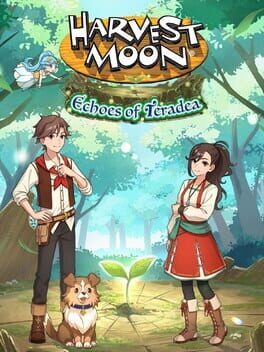
The Harvest Moon franchise, now celebrating three decades of sowing digital soil, has long been a barometer for how nostalgic IPs can evolve within an ever‑shifting console landscape. Natsume, the steward of the brand in the West, launched Harvest Moon: Echoes of Teradea on both the original Switch and the Switch OLED early this month, positioning the title as a modern homage that blends classic tile‑based farm management with the richer, open‑world sensibilities that contemporary audiences demand.
In a market currently dominated by indie juggernauts such as Stardew Valley and the ever‑expanding Animal Crossing series, any new Harvest Moon entry must not only recapture the pastoral charm that defined the 1990s but also justify its relevance against a backdrop of streaming‑centric ecosystems and a player base that now expects continuous content updates. The announcement of a multi‑year roadmap therefore arrives at a critical juncture, where the franchise’s ability to sustain engagement will be measured against both its own legacy and the aggressive post‑launch support models pioneered by competitors.
What Happened?
Natsume revealed a comprehensive development timetable that stretches to the end of 2027, outlining nine substantive DLC packs that will gradually expand Echoes of Teradea’s world. The roadmap is anchored by a special 30th‑anniversary celebration, promising new characters, story arcs, locales, animal breeds, recipes, and farm upgrades that aim to keep the experience fresh for both newcomers and veteran fans. By committing to a defined cadence of releases, the publisher signals an intention to transform what could be a one‑off title into a living service, albeit one that remains grounded in the series’ traditional single‑player focus.
The first of these expansions, titled “Merus’s Dilemma,” is already live on the eShop for $6.99 (or the regional equivalent). This initial pack introduces a tools upgrade, six brand‑new culinary recipes, and a self‑contained narrative thread that follows the enigmatic trader Merus as he challenges players with moral choices that affect farm productivity. While the price point aligns with industry norms for mid‑tier DLC, the content depth—particularly the integration of new story beats—suggests Natsume is testing the waters for more ambitious, narrative‑driven add‑ons later in the roadmap.
Analysis
The decision to adopt a nine‑year DLC pipeline reflects a broader industry shift toward long‑tail monetisation, a strategy that has proven lucrative for titles like The Witcher 3 and Destiny 2. By spacing releases over a six‑year horizon, Natsume can smooth revenue spikes, maintain a steady presence on the Switch’s front page, and potentially leverage seasonal sales events to boost visibility. Moreover, the inclusion of a 30th‑anniversary celebration provides a natural marketing hook that can be paired with retro‑themed merchandise, community contests, and cross‑promotional opportunities that extend the brand beyond the console.
From a technical standpoint, the roadmap poses both opportunities and challenges. Echoes of Teradea runs on a custom engine optimised for the Switch’s hybrid hardware, meaning each DLC must be carefully calibrated to avoid performance regressions, especially as new assets and AI‑driven animal behaviours are layered in. Additionally, the staggered rollout demands a robust live‑ops infrastructure to handle patch distribution, player feedback loops, and potential balance adjustments—a capability that Natsume has historically lacked compared with larger studios. Failure to manage these aspects could erode player goodwill, particularly if later DLCs feel like filler rather than substantive expansions.
XPLog Opinion
At XPLog UK we view the Echoes of Teradea roadmap as a bold, if cautious, gamble; it demonstrates Natsume’s willingness to invest in a franchise that has often been relegated to nostalgic footnotes. The real test will be whether the DLC cadence can sustain narrative momentum without succumbing to the fatigue that plagues many long‑running series. If Natsume can deliver fresh mechanics and meaningful story content while preserving the series’ core charm, the plan could rejuvenate Harvest Moon’s standing in the farming‑sim hierarchy and set a new benchmark for legacy IPs seeking relevance in the service‑era era.
Final Thoughts
Harvest Moon: Echoes of Teradea’s 2027 roadmap transforms a single‑launch title into a multi‑year saga, promising a steady stream of content that could keep the franchise thriving well beyond its anniversary. Players should mark their calendars for the upcoming DLC drops, with the next major expansion slated for early 2025, and keep an eye on Natsume’s communications for any shifts in pricing or feature focus. If the early DLCs prove as engaging as the base game, the long‑term outlook for Harvest Moon’s digital fields looks decidedly fertile.