
Overview
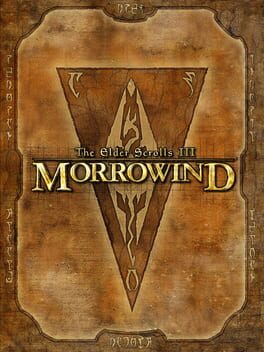
For more than two decades Bethesda Game Studios has been synonymous with sprawling, open‑world role‑playing epics that define the very notion of player freedom. From the revolutionary release of The Elder Scrolls III: Morrowind in 2002 to the critically lauded Skyrim in 2011, the franchise has not only generated billions in revenue but also cultivated a fiercely loyal community that measures each new installment against an ever‑rising bar of expectation. In recent months the studio has been quietly re‑energising its portfolio: the painstaking remaster of Oblivion for the newly announced Switch 2 demonstrated Bethesda’s willingness to revisit legacy titles while leveraging modern hardware, and the same period saw the company push forward on its next‑generation engine, the Creation Engine 2, which promises unprecedented scale, AI‑driven ecosystems, and a visual fidelity that finally matches the series’ ambition.
Against this backdrop, the announcement that the forthcoming mainline entry will bear the subtitle “Sentinel” arrives at a pivotal moment for both Bethesda and its parent, Microsoft. Since the 2020 acquisition, the studio has been positioned as a keystone for Xbox Game Pass, a strategic asset intended to draw players away from competing subscription services and solidify the Xbox ecosystem’s relevance in an increasingly platform‑agnostic market. Simultaneously, the broader industry is witnessing a surge in high‑budget RPGs from rivals such as CD Projekt Red and Square Enix, each vying for the same pool of dedicated gamers. Consequently, the naming of Elder Scrolls VI: Sentinel is more than a simple branding decision; it signals Bethesda’s intent to carve a distinct narrative and thematic identity that can stand out in a crowded premium‑RPG arena.
What Happened?
According to a report by Tom Warren of The Verge, the long‑rumoured title of Bethesda’s next flagship has finally been confirmed: The Elder Scrolls VI: Sentinel. The revelation follows a series of subtle hints that have been peppered throughout the past year, most notably a live demonstration for Xbox executive Asha Sharma in August, during which the game’s logo flickered on‑screen and the subtitle was casually mentioned. While Bethesda has remained tight‑lipped about concrete release windows, the confirmation of the title itself is a tangible milestone, suggesting that the development pipeline has progressed beyond the conceptual phase and into a stage where marketing and legal clearances are being finalized.
The choice of “Sentinel” is intriguing on multiple levels. Historically, Bethesda has used subtitles that evoke a sense of place or mythic concept—Skyrim, Oblivion, Cyrodiil—but “Sentinel” hints at a thematic focus on guardianship, perhaps a narrative centred around ancient protectors or a looming existential threat. Industry insiders speculate that the moniker could also be a nod to the game’s anticipated emphasis on AI‑driven factions that act as sentinels of the world, dynamically responding to player actions in ways previously unseen. Moreover, the timing of this reveal aligns with Microsoft’s broader fiscal strategy to showcase exclusive, marquee titles that will drive both hardware sales and Game Pass subscriptions in the lead‑up to the 2027 console generation.
Analysis
The announcement of Elder Scrolls VI: Sentinel carries weight far beyond the immediate fanfare. From a market perspective, Bethesda’s integration into Microsoft’s publishing arm has already reshaped the competitive dynamics of the console space, and a high‑profile launch could tip the scales further in Xbox’s favour, especially if the title debuts as a timed exclusive on Xbox Series X|S before arriving on PlayStation. The title’s subtitle also serves as a branding lever that can be leveraged across cross‑media extensions—novels, tabletop adaptations, and potential live‑service expansions—thereby extending the franchise’s revenue tail well beyond the initial launch window. Technically, the shift to Creation Engine 2 promises a level of procedural world‑building that could redefine the series’ hallmark open‑world design, but it also introduces substantial risk: the engine’s ambition has already led to delays on other Bethesda projects, and any misstep could amplify the scrutiny that Bethesda has faced after the contentious launch of Fallout 76.
Competitor dynamics further underscore the significance of this reveal. CD Projekt Red’s Cyberpunk 2077 resurgence and upcoming expansions have re‑energised the RPG market, while Square Enix’s Final Fantasy XVI and Ubisoft’s Assassin’s Creed Mirage are targeting similar demographics. By positioning “Sentinel” as a narrative‑driven, world‑shaping experience, Bethesda aims to reclaim the mantle of the genre’s benchmark. Additionally, the ongoing debate around subscription‑based access versus traditional purchase models will be tested; if Microsoft can deliver a premium, content‑rich experience that justifies a Game Pass inclusion, it could set a new standard for how flagship RPGs are monetised in the next console cycle.
XPLog Opinion
At XPLog UK we view the confirmation of Elder Scrolls VI: Sentinel as a decisive moment that could either cement Microsoft’s dominance in the premium RPG niche or expose lingering cracks in Bethesda’s development pipeline. The subtitle alone suggests a deliberate narrative pivot that, if executed with the depth and polish fans expect, will re‑energise a franchise that has not seen a true mainline entry in over a decade. However, the pressure to deliver a technically flawless world on a new engine is immense, and the industry will be watching closely to see whether Bethesda can translate its storied design philosophy into a modern, live‑service‑compatible experience without repeating past missteps.
Final Thoughts
In sum, the unveiling of Elder Scrolls VI: Sentinel signals Bethesda’s readiness to re‑enter the spotlight with a title that could redefine the open‑world RPG paradigm. While exact release dates remain undisclosed, industry calendars suggest a launch window somewhere between 2026 and 2027, aligning with Microsoft’s strategic push for next‑gen exclusives. Players, investors, and competitors alike should keep a vigilant eye on forthcoming gameplay demos, developer diaries, and the evolving narrative around the Creation Engine 2, as these will offer the clearest indicators of whether “Sentinel” will stand as a beacon for the franchise’s future or become another cautionary tale in the high‑stakes world of AAA game development.