
Overview
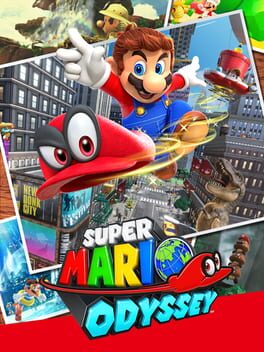
The release of a Zelda‑branded iteration of the Switch 2 arrives at a symbolic moment: the franchise’s 40th anniversary, a milestone that Nintendo has leveraged for years to deepen fan loyalty and generate premium hardware sales. By coupling a beloved IP with a refreshed console platform, Nintendo hopes to capture both nostalgia‑driven collectors and the next generation of players who have yet to experience the series on a modern handheld‑dock hybrid. This strategy mirrors previous limited‑edition pushes, such as the “Pikmin 3 Deluxe” themed console and the “Super Mario Odyssey” bundles, which historically spiked unit sales and reinforced Nintendo’s reputation for clever cross‑promotion.
However, the backdrop of this launch is anything but tranquil. The global semiconductor shortage that began in 2020 has gradually eased, yet lingering bottlenecks in packaging, logistics, and retail distribution continue to plague the industry. Competitors like Sony and Microsoft have already reported staggered roll‑outs for their own next‑gen hardware, and Nintendo’s own Switch OLED launch in 2021 demonstrated how even a modest supply‑chain hiccup can translate into fervent aftermarket scalping and consumer frustration. In this climate, a high‑visibility, limited‑run product such as the Zelda Switch 2 becomes a litmus test for Nintendo’s operational resilience and its ability to meet the expectations of a highly engaged core‑gamer base.
What Happened?
When the Zelda‑themed Switch 2 hit retail shelves this week, the initial excitement was palpable: the console’s sleek teal accents, the iconic Triforce emblem on the dock, and a suite of pre‑installed anniversary content positioned it as a must‑have for any Hyrule aficionado. Yet, almost immediately after launch, a wave of pre‑order complaints began to surface. Customers who secured the edition through Target discovered that their shipments were being postponed until mid‑November, a delay that far exceeds the typical two‑week fulfillment window promised during the pre‑order phase. The retailer cited “unexpected inventory allocation issues” as the cause, leaving many fans to wonder whether the shortfall stemmed from manufacturing overruns or a miscalculation in demand forecasting.
Compounding the Target saga, Walmart issued a public statement indicating a “supply chain delay” that would prevent select stores from stocking the Zelda Switch 2 until the following month. While the wording was deliberately vague, industry analysts infer that the delay likely originates from a combination of component shortages and logistical bottlenecks at distribution centers still grappling with pandemic‑era disruptions. The ripple effect is already evident on secondary markets, where resale prices have surged well above MSRP, prompting heated discussions across forums about the ethics of scalping and the responsibility of both Nintendo and its retail partners to safeguard access for genuine fans.
Analysis
The immediate commercial impact of the Zelda edition’s supply constraints is twofold. First, the scarcity drives up aftermarket prices, inflating the perceived value of the hardware but simultaneously alienating a segment of the core audience that feels priced out of a celebration meant for them. Nintendo’s historical data suggests that limited‑edition releases can boost overall console sell‑through by up to 15 % in the quarter following launch, but only if supply meets demand; otherwise, the brand risks eroding goodwill—a commodity that is increasingly hard to rebuild in a market saturated with instant‑gratification alternatives. Second, the delay highlights a broader strategic tension: Nintendo’s reliance on physical retail partners for distribution versus a potential pivot toward direct‑to‑consumer channels, which could offer tighter inventory control and more transparent fulfillment timelines.
From a competitive standpoint, the Zelda Switch 2’s hiccup arrives as Sony prepares to roll out a new “PlayStation 5 Pro” variant, while Microsoft accelerates its Xbox Series X/S refresh cycle. Both rivals have invested heavily in robust supply‑chain architectures, leveraging diversified fab partnerships and aggressive logistics planning. Nintendo’s comparatively lean manufacturing footprint—still heavily dependent on a single primary assembler in China—means that any perturbation reverberates more sharply across its product pipeline. Moreover, the technical novelty of the Switch 2 (enhanced GPU, improved battery life) remains modest, placing the onus on exclusive content and brand synergy to justify premium pricing; thus, any delivery failure directly undermines the perceived value proposition.
XPLog Opinion
At XPLog UK we view Nintendo’s current predicament as a cautionary tale about the perils of over‑reliance on hype‑driven, limited‑edition drops without a bullet‑proof distribution backbone. While the Zelda anniversary is undeniably a cultural moment worth commemorating, the execution has left many loyalists feeling short‑changed—a sentiment that could echo into future launches if not remedied. Nintendo should consider expanding its direct‑to‑consumer storefront capabilities, offering pre‑order transparency, and perhaps instituting a capped purchase system to deter scalpers, thereby preserving the celebratory spirit of the franchise while safeguarding its reputation for consumer‑friendly practices.
Final Thoughts
In summary, the Zelda‑themed Switch 2 stands as a double‑edged sword: a brilliant marketing coup that reinforces Nintendo’s mastery of nostalgia, yet a logistical stumble that threatens to tarnish that very achievement. Fans should keep an eye on the mid‑November restock window announced by Target, while industry watchers will be monitoring whether Nintendo adapts its supply‑chain strategy ahead of the next major hardware or software milestone later in the year. The lessons learned here will likely shape how the company approaches future anniversary editions and, more broadly, its relationship with the ever‑demanding core gaming community.