
Overview
Mouthwashing arrived on PC and consoles as a stark, minimalist indie title that dared to hold a mirror up to corporate exploitation. Its 30‑minute runtime, stark visual palette, and branching dialogue forced players to confront the grinding reality of low‑pay labour while simultaneously rewarding them with moments of quiet rebellion. By withholding key narrative beats until the very end, the game cultivated a tension that resonated with a core audience hungry for socially conscious experiences, a trend that has been gaining momentum since the early 2020s as developers increasingly used interactivity as a form of critique.
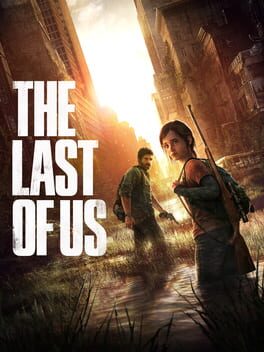
At the same time, the broader entertainment ecosystem has been witnessing a surge of game‑to‑film adaptations, from blockbuster franchises like "The Last of Us" to more niche projects such as "Tales of the Neon Sea". Sony Pictures Television, leveraging its extensive library of PlayStation Studios IP, has positioned itself as a bridge between interactive storytelling and cinematic ambition. The decision to green‑light a feature film based on Mouthwashing therefore sits at the intersection of two converging forces: the commercial appetite for recognizable gaming brands and the cultural desire for narratives that speak to contemporary labour anxieties.
What Happened?
In a press release issued earlier this week, Sony announced that a feature‑length adaptation of Mouthwashing is officially in development, with production slated to begin in early 2027. The announcement was accompanied by a short video teaser that juxtaposes the game's stark office environments with live‑action set pieces, hinting at a visual style that will preserve the original's austere aesthetic while expanding its world for a broader audience. Sony's statement emphasized a commitment to “maintaining the game's core message about corporate overreach” while “exploring the human stories behind the statistics.”
The adaptation will be helmed by director Maya Patel, known for her work on socially driven dramas, and will involve a collaborative scriptwriting team that includes the original game’s writer, Lena Ortiz. Early reports suggest that the film will broaden the narrative scope to include multiple protagonists, allowing the story to delve deeper into the systemic issues the game only touched upon. Sony has also confirmed that the project will be co‑produced with an independent studio that specializes in translating interactive experiences to film, a move designed to retain the game’s distinctive narrative pacing.
Analysis
The market implications of this partnership are multifaceted. On one hand, Sony is capitalising on the growing cachet of indie titles that have cultivated passionate, albeit smaller, fanbases. By attaching a major studio’s resources to a game like Mouthwashing, Sony can diversify its content slate beyond the typical high‑budget, franchise‑driven adaptations that dominate the box office. This strategy mirrors the success of streaming platforms that have turned cult‑class indie games into limited series, thereby tapping into a niche yet highly engaged demographic that values narrative depth over spectacle.
Translating a 30‑minute interactive experience into a two‑hour film, however, presents significant technical and creative hurdles. The original’s strength lay in its player agency – the ability to withhold information and reveal it at precisely the right moment. In a linear medium, preserving that tension requires careful restructuring of pacing, perhaps through non‑linear storytelling or interwoven flashbacks. Moreover, the film must navigate the expectations of a split audience: hardcore fans who demand fidelity to the source material, and newcomers who may be unfamiliar with the game's themes. Balancing these demands will be a litmus test for future indie‑to‑film pipelines.
XPLog Opinion
From XPLog’s perspective, Sony’s gamble is both bold and necessary. The industry has long suffered from a parade of superficial adaptations that strip away the soul of their interactive origins, leaving audiences with hollow cash‑in ventures. Mouthwashing, with its razor‑sharp commentary on labour exploitation, offers an opportunity to prove that a game‑to‑film conversion can retain intellectual rigor while reaching a wider cultural conversation. If Sony delivers a film that respects the game’s intent and expands its narrative canvas, it could set a new benchmark for how studios treat indie IPs – not as cheap filler, but as fertile ground for meaningful storytelling.
Final Thoughts
Ultimately, the success of Sony’s Mouthwashing adaptation will hinge on its ability to translate interactive tension into cinematic momentum without diluting the original’s message. As production ramps up, industry watchers should keep an eye on casting announcements, visual concept reveals, and the film’s slated release window in late 2028, which could align with major awards season and test whether a socially conscious indie game can indeed hold its own on the silver screen.