
Overview
The North American eShop received its most consequential refresh of the year, and the headline act is none other than Minecraft’s debut on the forthcoming Nintendo Switch 2. This isn’t merely a port; it is a strategic showcase of the new hardware’s visual pipeline, cross‑save architecture, and the broader ecosystem Nintendo is cultivating around a hybrid console that promises higher fidelity without abandoning its core philosophy of accessibility. The announcement arrives at a pivotal moment when the console market is bifurcating into premium, high‑spec experiences and value‑oriented handhelds, and Nintendo’s latest iteration attempts to straddle both worlds, leveraging its massive install base while courting the more demanding segment of gamers who have long awaited a true next‑gen Nintendo experience.
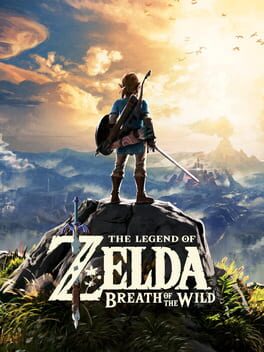
Historically, Nintendo has used flagship titles to illustrate the capabilities of new hardware – think Super Mario 64 for the N64, The Legend of Zelda: Breath of the Wild for the Switch, and now Minecraft for Switch 2. The decision to pair the sandbox staple with a “Vibrant Visuals” upgrade and a Super Mario Mash‑Up Pack signals an intent to blend nostalgia with technical ambition. It also reflects a broader industry trend where publishers are repackaging evergreen IPs with visual overhauls to extend shelf life and generate incremental revenue, a tactic that has proven effective for titles like Fortnite and Apex Legends across console generations.
What Happened?
On 27 October, Mojang confirmed that Minecraft for Nintendo Switch 2 will launch at a premium price point of $29.99, a figure that mirrors the cost of the original Switch version at launch but now includes a suite of enhancements. The “Vibrant Visuals” upgrade promises higher resolution textures, refined lighting, and a smoother frame rate, taking advantage of the Switch 2’s upgraded GPU and CPU architecture. Moreover, the title will feature a Super Mario Mash‑Up Pack – a curated collection of 15 new tracks, 40 player skins, and a custom Mario‑themed biome that interweaves the iconic plumber’s aesthetic directly into the blocky universe, creating a cross‑brand synergy that Nintendo has mastered since the early days of cross‑overs like Super Smash Bros.
In addition to visual upgrades, the announcement highlighted seamless save‑data migration from the original Switch, a move that underscores Nintendo’s commitment to preserving player investment across hardware cycles. This continuity is crucial for a game like Minecraft, where worlds can span years of player creativity. The eShop update also introduced a poll inviting the community to vote on upcoming titles, reinforcing Nintendo’s community‑first approach that has been a hallmark of its digital storefront strategy since the Wii U era.
Analysis
The introduction of Minecraft on Switch 2 serves as a litmus test for the console’s ability to attract third‑party developers seeking a hybrid platform that can deliver both portable convenience and next‑gen fidelity. While Nintendo has traditionally relied on first‑party exclusives to drive hardware sales, the inclusion of a globally dominant sandbox title signals a shift toward a more open ecosystem. This could encourage other major studios – especially those with games that benefit from procedural generation and extensive user‑generated content – to consider the Switch 2 as a viable launch or secondary platform, potentially reshaping the competitive dynamics against the PlayStation 5 and Xbox Series X|S.
From a market perspective, the $29.99 price tag positions Minecraft as a premium yet accessible offering, aligning with Nintendo’s historical sweet spot of pricing that maximizes volume without eroding perceived value. The added Super Mario Mash‑Up Pack not only drives incremental sales from collectors but also deepens brand integration, a strategy that could see Nintendo leveraging its IP portfolio across more third‑party titles in the future. Technically, the Vibrant Visuals upgrade showcases the Switch 2’s ability to handle complex shader pipelines and larger texture sets, hinting at the console’s capacity to support more demanding indie and mid‑tier titles without compromising battery life – a critical factor for handheld gamers.
XPLog Opinion
At XPLog UK we view the Minecraft launch as a decisive moment that could finally tip the scales in Nintendo’s favor within the hybrid console niche; the company has long been praised for its innovative hardware but has struggled to convince the hardcore segment that its devices can deliver “real” next‑gen experiences. By pairing a universally beloved sandbox with a tangible visual overhaul and a nostalgic Mario overlay, Nintendo is sending a clear message: the Switch 2 is not a modest upgrade, it is a platform capable of hosting flagship experiences that demand both power and portability. If the launch proves smooth and the community embraces the new content, we anticipate a cascade of similar collaborations that will broaden the Switch 2’s library and reinforce Nintendo’s relevance in an increasingly performance‑driven market.
Final Thoughts
In summary, the eShop refresh that spotlights Minecraft for Switch 2 is more than a single‑title announcement; it is a strategic showcase of Nintendo’s renewed focus on visual fidelity, cross‑generational continuity, and IP synergy. As the launch date approaches, industry watchers should monitor sales metrics, player migration rates, and the response to the Super Mario Mash‑Up Pack, all of which will inform whether Nintendo’s hybrid vision can sustain long‑term relevance against its console rivals. Keep an eye on the official release window slated for early Q1 2027, and be prepared for a potential wave of third‑party titles that may finally see Nintendo’s next‑gen hardware treated as a first‑class development target.