
Overview
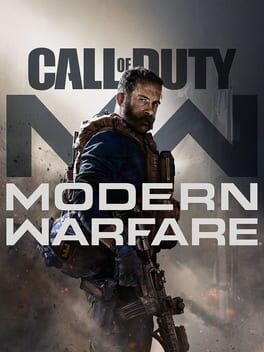
When Activision unveiled the opening cinematic for Call of Duty: Modern Warfare 4, the world’s most watched first‑person shooter franchise once again positioned itself at the nexus of entertainment and real‑world events. The franchise’s legacy of cinematic storytelling—rooted in the gritty realism of the 2007 original and refined through successive annual releases—has always walked a tightrope between immersive narrative and the sensitivities of global audiences. In an era where live‑service models demand ever‑more frequent content drops, developers increasingly turn to news‑reel aesthetics to convey urgency, a practice that has sparked both acclaim for its relevance and criticism for its potential insensitivity.
South Korea’s tragic crowd crush in Seoul’s Itaewon district in 2022 remains a painful scar in the nation’s collective memory, with roughly 150 lives lost and countless others affected. The incident, captured by news crews and widely disseminated, has become a visual shorthand for the fragility of public safety in densely populated urban spaces. Against this backdrop, the inclusion of any footage reminiscent of that disaster in a high‑octane entertainment product automatically invites scrutiny, especially as the gaming community becomes more attuned to cultural and ethical considerations surrounding representation.
What Happened?
The Modern Warfare 4 intro sequence, released as part of a global marketing push, intercuts stylised combat set‑pieces with a brief montage that appears to borrow from real‑world news coverage of the Itaewon tragedy. Observers noted that the grainy, handheld camera angles and the chaotic crowd movement bore an unsettling resemblance to the footage that circulated in the months after the 2022 incident. While Activision has not disclosed the exact source material used, the visual similarity was sufficient to ignite a wave of criticism on Korean social media platforms and in regional news outlets, prompting calls for the publisher to either edit the cut or issue a formal apology.
In response, Activision issued a statement asserting that the cinematic “is not intended to reference or trivialise the Itaewon disaster or any other real‑world tragedy.” The company emphasized that the footage was selected for its dramatic impact rather than any political or commemorative purpose, and pledged to review the content in light of the concerns raised. This defensive posture reflects a broader industry trend where publishers must balance creative freedom with heightened expectations for cultural sensitivity, especially as global distribution means that a single piece of media can be dissected by audiences across disparate legal and cultural landscapes.
Analysis
The incident underscores a growing tension between the pursuit of hyper‑realistic, news‑style storytelling and the responsibility to avoid unintentional exploitation of real tragedies. From a market perspective, Call of Duty remains a cash‑cow for Activision, consistently generating over $1 billion in annual revenue. However, any perception of insensitivity can erode brand equity, particularly in markets like South Korea where the franchise enjoys a massive player base and where cultural respect is a decisive factor in consumer loyalty. Competitors such as Ubisoft’s Rainbow Six Siege and EA’s Battlefield series have already faced backlash for similar missteps, and they have responded with swift content revisions and public apologies, setting a precedent that Activision now must match or risk losing market share.
Technical considerations also play a role. The integration of stock footage or licensed news clips into a game’s cinematic pipeline is not uncommon, but the vetting process for such material has historically been opaque. In an age where AI‑driven content generation can blur the line between authentic and fabricated media, publishers must invest in more rigorous provenance checks, potentially adding to production timelines and budgets. Moreover, the episode may accelerate the industry’s shift toward creating entirely in‑house cinematic assets, reducing reliance on external footage that could inadvertently trigger controversy.
XPLog Opinion
From XPLog’s standpoint, Activision’s handling of the Modern Warfare 4 intro reflects a reactive rather than proactive stance that could have been avoided with a more culturally aware development pipeline. While the company’s quick clarification is commendable, the damage to player trust in a key region is already palpable, and the episode serves as a cautionary tale for all publishers: narrative ambition must be matched with ethical diligence, especially when leveraging real‑world tragedies for dramatic effect. In the long run, the franchise’s resilience will hinge on its ability to listen, adapt, and demonstrate genuine respect for the lived experiences of its global audience.
Final Thoughts
As the release window for Modern Warfare 4 narrows, all eyes will be on Activision’s next move—whether it will issue a revised cut, provide additional context, or double down on its artistic intent. The outcome will not only shape the immediate sales trajectory but also set a benchmark for how major publishers navigate the increasingly complex interplay between entertainment, real‑world events, and player sentiment. Stakeholders should monitor official communications over the coming weeks, as any further development could reverberate across the shooter market and influence the broader discourse on media responsibility in interactive entertainment.