
Overview
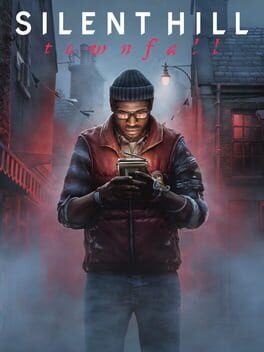
When Konami first unveiled the Silent Hill brand in 1999, it defined a generation of psychological horror with fog‑shrouded streets, unsettling sound design, and a relentless focus on atmosphere over pure action. Two decades later, the franchise has become a litmus test for how legacy IP can be reinterpreted by smaller studios seeking to capture that iconic dread while navigating the expectations of a market saturated with high‑budget, cinematic experiences. Silent Hill: Townfall, developed by an indie‑sized team under the aegis of Konami’s publishing umbrella, entered the PlayStation 5 ecosystem at a moment when survival‑horror titles are increasingly bifurcating between accessibility‑first approaches and brutally unforgiving “hardcore” modes, a split epitomised by the recent resurgence of titles like Resident Evil Village and the indie darling Amnesia: The Bunker.
The current console generation has amplified the importance of post‑launch support; patches are no longer a courtesy but an ongoing dialogue between developers and a vocal, data‑driven player base. In this climate, difficulty settings have evolved from a simple “Easy/Hard” toggle to a nuanced ladder of challenges that can dramatically affect a game’s longevity, streaming appeal, and community discourse. Against this backdrop, the release of Townfall’s Patch 1.6, which introduces a dedicated Hard difficulty mode, is not merely a tweak but a strategic maneuver that reflects broader industry pressures to cater to both casual explorers and the growing cohort of “hard‑core” completionists who view difficulty as a badge of honor.
What Happened?
Patch 1.6, rolled out to PS5 owners earlier this week, adds a brand‑new Hard difficulty tier that sits neatly between the existing Normal setting and the previously introduced Nightmare mode. According to the developers, Hard mode retains the core narrative pacing and environmental storytelling of Townfall while amplifying enemy aggression, reducing health regeneration windows, and tightening the margin for error in combat encounters. This middle ground is designed to bridge the gap for players who found Normal too forgiving yet were hesitant to plunge into the punishing extremes of Nightmare, which demands near‑perfect mastery of the game’s mechanics.
Beyond the headline Hard mode, the update also refines several long‑standing balance issues that have plagued the title since launch. The most notorious adversary, a hulking “Nightmare Stalker,” now exhibits more predictable attack patterns, allowing seasoned players to anticipate and counter its lethal strikes. Additionally, a previously unsolvable puzzle in the abandoned hospital wing has been reworked with clearer visual cues and an optional hint system, addressing community frustration while preserving the series’ trademark sense of dread. The developers accompanied the patch notes with a candid developer diary, acknowledging player feedback and emphasizing their commitment to “iterative horror design” that respects both narrative integrity and gameplay fairness.
Analysis
The introduction of a Hard mode is a calculated response to market data that shows a strong correlation between difficulty diversity and long‑term player retention. In the streaming era, titles that provide tiered challenges generate sustained viewership, as audiences gravitate toward content creators who can showcase skill progression across difficulty spikes. By inserting a Hard setting, Townfall positions itself to capture a slice of this viewership, potentially boosting its Twitch and YouTube metrics, which in turn feed back into sales performance—a virtuous cycle that has benefited contemporaries like Dark Souls III and the recent remake of Resident Evil 2.
From a competitive standpoint, Townfall’s difficulty expansion also signals Konami’s intent to reclaim relevance in a genre where the bar for “hardcore” experiences is continually being raised. The patch’s technical refinements—particularly the rebalancing of enemy AI—demonstrate a maturing development pipeline capable of delivering rapid, data‑informed updates, a capability historically associated with larger studios. Moreover, the decision to keep the Nightmare mode intact while adding an intermediate tier reflects an understanding of player segmentation; it avoids alienating the most dedicated fans while inviting a broader audience to experience the series’ signature tension without feeling overwhelmed.
XPLog Opinion
At XPLog UK, we view the Hard mode addition as a decisive step toward reconciling Silent Hill’s storied legacy with the expectations of a modern, difficulty‑savvy audience. It demonstrates that even legacy IPs can evolve through thoughtful, community‑driven iteration, and it underscores the importance of post‑launch stewardship in an era where patches are as much a marketing tool as a quality‑of‑life improvement. Townfall’s willingness to fine‑tune its horror formula—while preserving the unsettling ambience that defines the franchise—suggests that Konami and its indie partners are learning to balance reverence for the past with the demands of contemporary gamers.
Final Thoughts
Patch 1.6 marks a pivotal moment for Silent Hill: Townfall, positioning the game to attract a wider spectrum of horror enthusiasts while reinforcing its credibility among the genre’s most exacting fans. As the patch rolls out globally, the community will be watching closely to see whether the Hard mode delivers the sweet spot of challenge and narrative immersion that the developers promise. Keep an eye on forthcoming updates slated for early 2027, which are rumored to introduce additional narrative DLC and further difficulty refinements, ensuring that Townfall remains a living, breathing entry in the Silent Hill canon for years to come.