
Overview
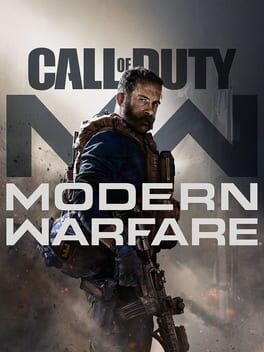
When Activision rolled out Call of Duty: Modern Warfare 4 in late 2024, it arrived with a bold ambition: to transplant the franchise's high‑octane gunplay into the burgeoning extraction‑style sandbox of DMZ. The mode promised a hybrid experience that married the series' signature kinetic combat with the tension‑filled, loot‑driven loops popularised by titles such as Escape from Tarkov and The Division: Heartland. In an industry where live‑service ecosystems are increasingly judged by their ability to sustain long‑term player investment, DMZ represented both a commercial lifeline and a design experiment for the venerable franchise.
From the outset, the community split into two camps. One faction championed a purely PvE‑focused iteration, arguing that the high‑skill, high‑risk nature of extraction should be insulated from the chaos of player‑versus‑player encounters. The opposing camp embraced the hybrid model, citing the strategic depth added by human opponents. Central to this debate was the "Possum" trait – a survival‑oriented ability that allowed players to feign death, recover health, and re‑engage the fight. While the developers marketed Possum as a last‑ditch survivability tool, a vocal subset of players weaponised it as a quasi‑combat mechanic, fundamentally altering the intended risk‑reward calculus of DMZ.
What Happened?
In a patch released on October 22, 2026, Activision announced a substantive nerf to the Possum ability. The update trimmed the duration of the feigned‑death state, increased the cooldown between uses, and reduced the health regeneration bonus that players received upon activation. By tightening these parameters, the developers aimed to re‑anchor Possum within its original design intent – a survival mechanic that rewards patience and tactical withdrawal rather than an aggressive combat shortcut. The patch notes explicitly referenced community feedback, noting that the ability had been "exploited as a core combat mechanic," undermining the extraction ethos that DMZ strives to cultivate.
Developer lead designer Maya Patel elaborated in a livestream that the decision was not taken lightly. She highlighted internal play‑testing data showing a measurable dip in overall match tension when Possum was over‑utilised, as well as a surge in "quick‑reset" cycles that shortened the average extraction time. Patel also hinted at forthcoming adjustments to other survival‑focused traits, suggesting a broader recalibration of the mode's balance sheet. The community response was mixed: veteran DMZ players praised the move as a necessary correction, while a faction of streamers lamented the loss of a high‑skill tool that had become a signature element of their playstyle.
Analysis
The Possum nerf must be read against a backdrop of intense competition in the extraction genre. Titles like Tarkov have built entire economies around high‑risk, high‑reward mechanics, and any perceived dilution of skill ceilings can erode a game's standing among hardcore audiences. By re‑asserting the survival‑first philosophy, Activision is attempting to differentiate MW4's DMZ from its peers, positioning it as a more disciplined, strategy‑heavy experience. This could broaden its appeal to players disenchanted by the perceived "pay‑to‑win" or "grind‑centric" models of rival games, potentially stabilising its player base in the critical post‑launch quarter.
However, the nerf also exposes the fragility of live‑service balancing in a franchise accustomed to rapid, content‑driven updates. Over‑correcting a mechanic risks alienating a segment of the community that has already invested heavily in mastering the previous meta. Moreover, the shift may signal internal uncertainty about the optimal blend of PvE and PvP within DMZ, a tension that could reverberate through Activision's broader roadmap for Call of Duty live services. If future patches continue to swing the pendulum, the brand risks being perceived as reactive rather than visionary, a perception that could impact console ecosystem negotiations and cross‑platform player retention.
XPLog Opinion
From XPLog's perspective, the Possum adjustment is a prudent, if overdue, move that underscores Activision's willingness to listen to its most vocal constituency. Yet it also serves as a cautionary tale: extraction modes thrive on a delicate equilibrium between risk, reward, and emergent player ingenuity. Over‑policing that balance can stifle the very emergent gameplay that keeps communities alive. Our verdict is that the nerf should be accompanied by a transparent, data‑driven roadmap that outlines how survival traits will evolve, ensuring that players feel both heard and empowered to shape the meta rather than being forced into a designer‑mandated paradigm.
Final Thoughts
In sum, the Possum nerf marks a pivotal moment for Modern Warfare 4's DMZ mode, one that could redefine its competitive stance within the crowded extraction market. As Activision rolls out the next wave of content slated for early 2027 – including a promised "Hardline" expansion and deeper integration of narrative elements – the community will be watching closely to see whether the balance adjustments translate into a more compelling, tension‑filled experience or merely a series of stop‑gap fixes. Players and analysts alike should keep an eye on the upcoming patch cadence and the forthcoming developer roadmap, as these will be the true barometers of MW4's long‑term viability in the live‑service arena.