
Overview
When Telltale Games first unveiled The Wolf Among Us in 2013, it did more than add another entry to the burgeoning adventure‑game renaissance; it cemented a storytelling formula that married gritty, noir‑inspired world‑building with morally ambiguous decision‑making. The original launch arrived at a moment when the industry was still grappling with the aftermath of the indie surge, and Telltale’s episodic delivery model demonstrated that deep narrative could thrive alongside the high‑octane shooters dominating the charts. Over the past decade, the title has become a cultural touchstone for players who crave consequence‑driven drama, spawning a dedicated fanbase that has kept the discussion alive through fan art, podcasts, and even cosplay at major conventions.
Fast‑forward to 2026, and the market is awash with remastered classics, from the pixel‑perfect revamps of early‑2000s RPGs to the ultra‑high‑definition re‑releases of beloved first‑person shooters. This wave is not merely a cash‑grab; it reflects a broader industry shift toward preserving narrative heritage while leveraging modern hardware capabilities. Telltable’s resurrection after its 2018 bankruptcy, its acquisition by LCG Entertainment, and the subsequent resurgence of its flagship IPs have set the stage for a remaster that is both a nostalgic homage and a strategic move to re‑engage a generation that now expects 4K, 60‑frame‑per‑second experiences across all platforms.
What Happened?
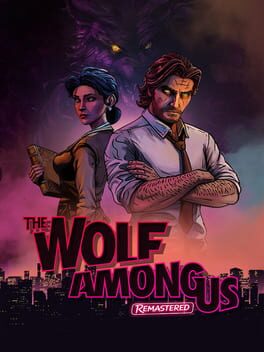
The Wolf Among Us Remastered launched this month on Xbox Series X|S, PlayStation 5, Nintendo Switch, and PC, boasting a suite of technical upgrades that include native 4K resolution, a revamped lighting engine, and a fully re‑recorded orchestral score that sits alongside the original’s haunting folk motifs. The development team also refined the user interface for modern controllers, added a “quick‑save” system that respects the episodic pacing, and integrated accessibility options ranging from subtitles for the hearing impaired to color‑blind modes that preserve the game’s signature moody palette. Early press kits highlighted the meticulous attention to detail, noting that the remaster retained every line of dialogue while polishing the facial animations to match today’s standards.
Critical response has been overwhelmingly positive, with major outlets awarding scores in the high‑80s to low‑90s. Reviewers praised the timelessness of the story—an adaptation of Bill Willingham’s Fables series that pits the world‑weary Bigby Wolf against a web of corruption in Fabletown—and lauded how the enhanced visuals amplify the gritty atmosphere without sacrificing the original’s intimate storytelling. Player sentiment on forums and social media mirrors this enthusiasm, with many longtime fans expressing that the remaster feels like a “new game” that finally does justice to the narrative depth they have cherished for over a decade. Early sales data, while not yet disclosed in full, indicate a strong launch week that outpaces the performance of comparable narrative‑driven remasters released earlier this year.
Analysis
The commercial success of The Wolf Among Us Remastered signals a robust appetite for story‑centric experiences in an ecosystem increasingly dominated by live‑service titles and multiplayer ecosystems. By delivering a premium, single‑player adventure that leverages next‑gen hardware, Telltale (under its new stewardship) repositions itself as a viable competitor to studios like Quantic Dream and Dontnod, whose own narrative franchises have seen similar revitalizations. Moreover, the title’s cross‑platform release—particularly its presence on the Switch—expands its reach to a demographic that values portable, narrative‑rich gameplay, thereby reinforcing the notion that high‑quality adventure games can thrive across diverse hardware ecosystems.
From a technical standpoint, the remaster showcases how legacy engines can be modernized without a complete rebuild, a lesson that could inform future revivals of other Telltale classics such as The Walking Dead or Tales from the Borderlands. The successful integration of modern accessibility features also sets a benchmark for industry standards, suggesting that studios aiming to re‑release older IPs must prioritize inclusive design to meet today’s player expectations. Looking ahead, the positive reception may embolden Telltale to explore new entries in the Fables universe or even original IPs that build on the decision‑driven framework that defined the original, potentially restoring the studio’s reputation as a premier narrative auteur.
XPLog Opinion
At XPLog UK, we view The Wolf Among Us Remastered not just as a nostalgic cash‑in, but as a strategic masterstroke that reaffirms narrative adventure as a commercially viable genre; it demonstrates that with thoughtful technical upgrades and a genuine respect for the source material, legacy titles can capture both veteran fans and a new cohort of players hungry for story‑driven depth in an era of fleeting digital experiences.
Final Thoughts
In sum, the remaster proves that a well‑crafted narrative can endure the test of time, and its strong launch suggests that Telltale’s rebirth is more than a footnote—it is a signal that the industry will continue to invest in story‑first experiences, with further announcements likely to arrive at the upcoming Game Awards and the next Xbox Showcase, where we expect to see additional updates on sequel prospects and potential new episodic ventures.