
Overview
Bloober Team, the Polish studio that carved its reputation with atmospheric horror landmarks such as Layers of Fear and The Medium, has spent the last three years engineering a universe that blends psychological dread with sci‑fi intrigue. Their latest flagship, Cronos: The New Dawn, launched to a mixed‑but‑enthusiastic reception on the PlayStation 5, leveraging the console’s SSD‑driven load times and ray‑traced lighting to immerse players in a bleak, post‑apocalyptic megacity. The title arrived at a moment when Sony’s ecosystem is hungry for premium‑priced, narrative‑driven experiences that can compete with the blockbuster action titles that dominate the platform’s sales charts, making Bloober’s commitment to a high‑budget, single‑player horror series a notable strategic bet.
Within the broader industry, the decision to price the upcoming expansion at $9.99 reflects a growing trend toward “mid‑tier” DLCs that aim to deliver a full‑game experience without the $60 price tag. December 2026 is a crowded launch window, with several major studios earmarking holiday releases for the PS5, yet Bloober is banking on the seasonal appetite for new content to keep its player base engaged while the core game’s sales tail off. Historically, prequel expansions have served as a double‑edged sword: they can deepen lore and reinvigorate a franchise, but they also risk fragmenting narrative cohesion if not handled with care. The Lazarus DLC therefore arrives not just as an add‑on, but as a litmus test for Bloober’s ability to sustain a long‑term franchise in a market that increasingly rewards live‑service models over one‑off experiences.
What Happened?
Earlier today Bloober Team issued an official press release confirming that Cronos: Lazarus will drop on 3 December 2026 for the PlayStation 5, priced at $9.99. The announcement was accompanied by a cinematic trailer that juxtaposes the neon‑slick streets of the game’s setting with a haunting, synth‑driven score, instantly positioning the expansion as a darker, more introspective chapter. The studio emphasized that Lazarus is a full‑length prequel, offering players a fresh entry point into the Cronos universe without requiring completion of the base game, a move designed to attract newcomers while rewarding veterans with deeper context.
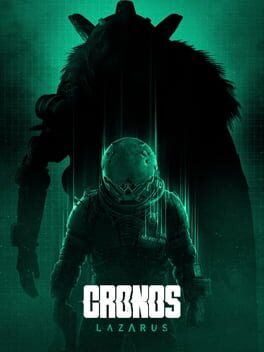
Gameplay-wise, the DLC places the player back behind the visor of the Pathfinder, the enigmatic protagonist whose fate in the main campaign culminated in the title’s climactic showdown. In Lazarus, the Pathfinder embarks on a perilous “revival mission” that will ultimately forge his identity as the Warden, a figure shrouded in myth throughout the original narrative. Opposing him is the Tracker, an unrelenting envoy of the Collective whose mandate is to prevent the Pathfinder from uncovering secrets that could destabilize the organization’s grip on the city. This cat‑and‑mouse dynamic promises a blend of stealth, combat, and environmental puzzles that build upon the core mechanics while introducing new AI behaviors and a more expansive open‑world segment that leverages the PS5’s hardware to render sprawling, fog‑laden districts in unprecedented fidelity.
Analysis
From a market perspective, Lazarus arrives at a juncture where premium DLCs have begun to prove financially viable for mid‑size developers. Bloober’s last‑year earnings showed a modest but steady increase in digital revenue, largely driven by post‑launch content for its earlier titles. By delivering a $10 expansion that promises roughly 12‑15 hours of content, the studio is targeting a conversion rate that could rival the performance of larger franchises that charge similar prices for “season passes.” Moreover, the decision to remain a PlayStation‑exclusive, at least initially, aligns with Sony’s ongoing strategy to secure exclusive content that differentiates its platform in an increasingly platform‑agnostic market.
Technically, Lazarus will push the PS5’s capabilities further than the base game did. Bloober has hinted at the inclusion of hardware‑accelerated ray‑traced reflections and a dynamic weather system that reacts to the player’s actions—a feature that could set a new benchmark for horror titles on the console. However, these ambitions also introduce potential hurdles: the need for rigorous optimization to avoid frame‑rate dips that could break immersion, and the challenge of integrating new AI routines for the Tracker without inflating development costs. Competitors such as Capcom’s Resident Evil series have recently demonstrated that high‑polish, narrative‑driven DLCs can sustain long‑term community engagement, and Bloober will need to match or exceed that bar to keep its audience invested.
XPLog Opinion
At XPLog we view Lazarus as a bold narrative experiment that could either cement Bloober’s status as a premier horror auteur or expose the fragility of a franchise built on a single, tightly‑woven storyline. The prequel approach offers a rare opportunity to flesh out the mythos of the Pathfinder, a character whose motives were only hinted at in The New Dawn. If Bloober can deliver a compelling, self‑contained story that feels essential rather than supplemental, it will not only justify the $10 price point but also lay the groundwork for a potential series of expansions that keep the world alive well beyond the initial launch window.
Final Thoughts
In sum, Cronos: Lazarus represents a calculated gamble by Bloober Team to deepen its narrative universe while capitalizing on the lucrative holiday DLC market. With a December 3 release, a sub‑$10 price tag, and a promise of next‑gen visual fidelity, the expansion is poised to become a focal point of discussion among PlayStation horror fans and industry analysts alike. Players and observers should keep an eye on early‑access feedback, patch notes, and any hints of subsequent content drops that could signal Bloober’s long‑term roadmap for the Cronos franchise.