
Overview
The indie renaissance that has defined the last decade of console gaming reached a new milestone during Nintendo's Indie World showcase, where a modestly advertised but highly anticipated title finally emerged from the shadows with a concrete launch window. In an era where major publishers are scrambling to secure exclusive content for next‑gen hardware, the decision to spotlight Witchbrook—a pixel‑art witch‑college life sim—signals that the market still values handcrafted experiences that marry deep systems design with a nostalgic aesthetic. The announcement arrives at a time when the industry is grappling with post‑pandemic development pipelines, supply‑chain constraints, and a fierce competition for player attention across subscription services, making any firm release date a noteworthy indicator of a studio’s confidence and logistical health.
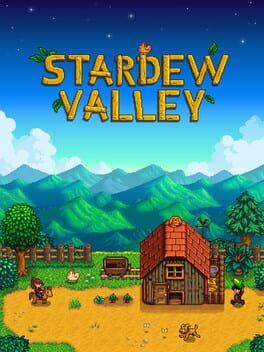
Chucklefish, the London‑based studio best known for shepherding ConcernedApe's Stardew Valley to global stardom and for its own tactical gem Wargroove, first unveiled Witchbrook back in 2017. The original pitch—an enchanted academy where you learn spells while building a vibrant community life—tapped into the same blend of seasonal progression and relational storytelling that made Stardew a cultural touchstone. Over the ensuing years the project slipped through several development cycles, briefly projected for a 2026 launch before encountering the familiar indie hurdles of funding shortfalls, scope creep, and the need to re‑engineer core systems for modern consoles. The recent confirmation of a January 28, 2025 release, therefore, is not merely a calendar entry but a testament to the studio’s perseverance and an illustration of how indie timelines can stretch yet still culminate in a polished product.
What Happened?
During the Nintendo‑specific stream, Chucklefish’s lead designer took the stage to reveal that Witchbrook will ship on January 28 across the full spectrum of current hardware: PlayStation 5, Xbox Series X|S, the original Switch, the forthcoming Switch 2, and PC via Steam and Epic. The decision to adopt a truly cross‑platform launch strategy reflects a broader industry shift toward platform‑agnostic releases, ensuring that the title can capitalize on the holiday sales surge on every major storefront. Moreover, the inclusion of the next‑gen Nintendo console—still shrouded in speculation—demonstrates confidence that Witchbrook’s engine can scale to higher fidelity while retaining its signature 16‑bit charm.
The gameplay reveal reinforced the title’s ambition: players enroll at a witch college to master an expansive spell‑crafting system, then return to a bustling town where they can cultivate friendships, take on part‑time jobs, and personalize their living space with decorative items earned through quests or crafted via alchemy. This dual‑track design echoes the successful formula of life‑simulation hybrids, yet adds a layer of magical progression that promises emergent gameplay—imagine using a weather‑altering spell to influence crop yields or a charm spell to unlock hidden dialogue trees. The developers also hinted at seasonal events, a dynamic economy, and a robust mod‑ding toolkit, all of which aim to extend the game’s longevity well beyond its initial release window.
Analysis
From a market perspective, Witchbrook lands at a sweet spot between the evergreen appeal of farming sims and the rising appetite for narrative‑driven RPGs. Its release will inevitably be measured against the continued success of Stardew Valley, which still commands a sizable portion of the indie sales charts a decade after launch. By offering a fresh thematic veneer—magic instead of agriculture—Chucklefish can attract both veterans seeking a new twist and newcomers drawn by the whimsical art direction. The multi‑platform rollout also mitigates the risk of platform exclusivity, allowing the title to tap into the lucrative PlayStation and Xbox ecosystems while retaining the loyal Switch audience that has historically championed indie titles.
Technical considerations present their own set of challenges. Porting a pixel‑art game to a hardware lineup that spans the modest Switch GPU to the power‑hungry RTX‑based Xbox Series X demands a flexible rendering pipeline and careful performance profiling. Additionally, the promise of a “mod‑ding toolkit” suggests that Chucklefish will need to maintain a robust update infrastructure across consoles—a task historically more complex on closed ecosystems. However, the studio’s prior experience with cross‑platform patches for Wargroove and its close relationship with platform holders should smooth the path, turning what could be a logistical nightmare into a showcase of modern indie development best practices.
XPLog Opinion
In XPLog’s view, Witchbrook represents a pivotal moment for indie studios that aspire to scale without sacrificing identity. Chucklefish’s ability to finally lock down a launch date after nearly a decade of development demonstrates that patient, community‑driven funding models—augmented by strategic platform partnerships—can still yield commercially viable products in a market saturated with big‑budget releases. If the game delivers on its promised depth, it could re‑ignite the conversation about how niche themes, like witchcraft education, can be leveraged to differentiate within the crowded life‑sim genre, ultimately encouraging other developers to pursue bold, hybrid concepts.
Final Thoughts
Witchbrook’s January 28 debut is more than a calendar reminder; it is a litmus test for how indie developers navigate the evolving expectations of a multi‑console world while retaining the intimate design philosophies that made titles like Stardew Valley cultural phenomena. As the release approaches, players and analysts alike will be watching the post‑launch performance, the responsiveness of updates, and the community’s reception of the magical mechanics. Keep an eye on the first‑week sales reports across all platforms, the forthcoming developer diary slated for early February, and the seasonal event calendar that will likely shape the game’s long‑term relevance.