
Overview
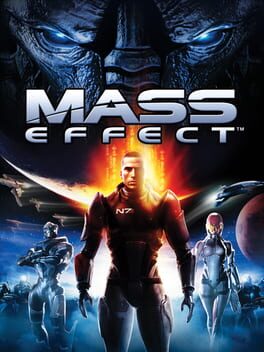
The Mass Effect saga has long been defined not only by its sprawling narrative and iconic choices but also by a musical identity that has become inseparable from its universe. Since the launch of the original 2007 title, composer Sam Hulick’s synth‑driven motifs and soaring orchestral swells have acted as an emotional compass for players navigating the interstellar politics of the Citadel and the personal stakes of Commander Shepard. In recent years, the franchise has undergone a tumultuous revival: the 2021 remake of the original trilogy, a mixed reception to the 2023 sequel, and a series of high‑profile staff departures have left the community yearning for a clear artistic direction. Within this climate, BioWare’s annual N7 Day—an industry‑wide celebration of the series—has evolved into a barometer of fan sentiment, where leaks, teasers, and developer statements are dissected with the fervor of a live‑action RPG session.
Music has increasingly become a marketable asset beyond the game itself, with soundtrack streaming numbers rivaling those of mainstream albums and dedicated fan remixes populating platforms from YouTube to Bandcamp. Hulick’s compositions, in particular, have cultivated a cult following that treats each leitmotif as a narrative thread. Consequently, any perceived deviation from his original vision is not merely an artistic critique but a potential fracture in the franchise’s brand equity. The recent internal trailer for a cancelled Mass Effect Universe project—originally intended to showcase a new, cross‑title narrative hub—has reignited debates about how the series will sound moving forward, especially as the industry leans heavily into cinematic‑grade audio experiences across next‑gen consoles.
What Happened?
Earlier this month, an unfinished trailer for the so‑called Mass Effect Universe—a planned expansion that would have linked the original trilogy, the 2023 sequel, and future spin‑offs—surfaced on a public forum. While the visual content sparked speculation about plot direction, the accompanying score, a patchwork of ambient textures and recycled themes, drew immediate criticism from long‑time fans who felt it failed to capture the emotional weight of Hulick’s original work. In a candid interview posted to his personal channel, Hulick disclosed that the music was assembled under tight deadlines by a temporary audio team, and that he had been sidelined from the final mix. He announced his intention to “re‑score the trailer to properly represent my musical vision,” emphasizing a desire to align the audio with the narrative ambition that the visual piece implied.
The composer’s statement also hinted at a potential collaboration with BioWare’s audio lead, suggesting that the rescoring effort could become an unofficial bridge between the cancelled project and the franchise’s next official installment. While EA has not confirmed any formal partnership, internal sources indicate that the company is monitoring fan reaction closely and may leverage Hulick’s rescoring as a goodwill gesture ahead of the upcoming N7 Day livestream. If successful, the revised soundtrack could be released as a standalone EP, providing both a nostalgic touchstone for veteran players and a fresh entry point for newcomers drawn to high‑quality game music.
Analysis
From a market perspective, Hulick’s move underscores a broader shift toward treating game audio as a standalone revenue stream. Recent reports show that soundtrack sales on platforms such as Spotify and Apple Music have surged by double‑digit percentages year over year, driven largely by titles that prioritize thematic cohesion. By re‑scoring a leaked trailer, Hulick not only reasserts his creative authority but also positions the Mass Effect brand to capitalize on this trend, potentially generating additional streaming royalties and bolstering the franchise’s cultural cachet. Moreover, the timing aligns with a competitive landscape where rivals like Bethesda’s Starfield are courting the same sci‑fi‑savvy audience; a high‑profile audio revival could differentiate BioWare’s offerings and re‑engage a demographic that has grown increasingly discerning about production values.
Technical and licensing considerations, however, present non‑trivial hurdles. The original trailer’s audio assets are likely owned by EA, meaning any new composition must navigate existing contracts and royalty structures. Additionally, integrating a rescored soundtrack into a piece that was never intended for public release raises questions about synchronization rights and potential legal exposure. On the console front, both PlayStation and Xbox are pushing advanced audio APIs—Tempest 3D AudioTech and Dolby Atmos—that could amplify the impact of a refreshed score, yet they also demand meticulous mixing and platform‑specific optimization. Should Hulick’s rescoring be officially sanctioned, it could serve as a showcase for these technologies, prompting hardware manufacturers to spotlight the collaboration in future marketing pushes.
XPLog Opinion
At XPLog we view Hulick’s determination to reclaim his musical narrative as a decisive statement that the franchise’s soul still resonates beyond corporate boardrooms; it signals to the community that the core artistic pillars of Mass Effect remain intact, even if the surrounding development machinery is in flux. By delivering a soundtrack that honors the series’ legacy while embracing modern audio fidelity, BioWare has an opportunity to rebuild trust, re‑ignite fan enthusiasm, and set a precedent for how legacy titles can evolve without sacrificing their identity.
Final Thoughts
In the months ahead, observers should keep an eye on the official N7 Day broadcast, where BioWare may unveil the rescored trailer or at least acknowledge Hulick’s contribution. A subsequent release of the revised soundtrack—potentially timed with a future game announcement—could serve as a litmus test for how effectively the franchise can leverage its auditory heritage to drive both brand loyalty and commercial success. Regardless of the ultimate outcome, this episode reinforces the notion that music remains a decisive battlefield in the ongoing war for player hearts and minds.