
Overview
The gaming landscape of 2024 is defined by a relentless push for platform‑specific experiences that double as marketing firepower. Sony’s PlayStation 5, now firmly entrenched as the flagship of the ninth generation, has become a showcase for visual fidelity, haptic immersion, and cross‑brand collaborations that blur the line between mascot and utility. Within this ecosystem, Ubisoft’s decision to resurrect Rayman Legends—originally a 2013 critical darling—has been framed not merely as a nostalgic port but as a technical rebirth that leverages the PS5’s SSD, ray‑tracing, and Tempest 3D AudioTech. The latest revelation, an Astro Bot‑themed outfit for Rayman, is a micro‑cosm of that strategy, turning a beloved PlayStation Studios character into a wearable skin that only PS5 owners can unlock.
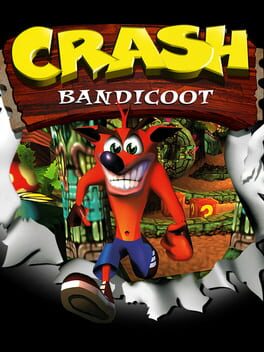
Historically, cross‑promotional costumes have served dual purposes: rewarding loyal fans while reinforcing ecosystem lock‑in. From the early days of PlayStation’s “Crash Bandicoot” skins on the original PS1 to the recent “Ratchet & Clank” crossover on the PS5, manufacturers have used such easter eggs to signal partnership depth. The Astro Bot outfit arrives at a time when Sony is aggressively courting third‑party developers to fill the PS5’s expanding library, especially as the console approaches the midway point of its lifecycle. For Ubisoft, the move underscores a renewed commitment to Sony after a period of multi‑platform releases that sometimes left the PlayStation version feeling like an afterthought.
What Happened?
On December 3rd, Ubisoft and Sony jointly announced that the forthcoming PS5 remake of Rayman Legends will feature a free, in‑game costume that dresses Rayman in the iconic helmet and suit of the Astro Bot, the charming robot from the PlayStation Studios series of platformers. The outfit is not a DLC purchase; it is embedded in the game’s code and becomes available once players locate Victor Velour—a whimsical NPC who runs a shop within the Rayman universe—and complete a modest set of challenges. This method mirrors the “unlock‑through‑play” philosophy that both companies have championed, ensuring the reward feels earned rather than bought.
Technically, the Astro Bot skin is more than a texture swap. The developers have re‑rigged Rayman’s animation rig to accommodate the bulkier robot silhouette, while also integrating subtle particle effects that echo Astro Bot’s signature thruster bursts when Rayman dashes. The visual fidelity of the costume benefits from the PS5’s hardware, with high‑resolution normal maps and reflective materials that catch the console’s ray‑traced lighting in a way the original 2013 title could never achieve. By tying the unlock to Victor Velour’s shop, Ubisoft also adds a layer of narrative integration, positioning the costume as a collectible that fits within Rayman’s whimsical world rather than a gratuitous marketing overlay.
Analysis
From a market perspective, this collaboration is a calculated strike at the heart of console exclusivity debates that have intensified since the previous generation’s “platform wars.” Sony’s willingness to embed a PlayStation Studios mascot into a third‑party title signals a shift from pure first‑party exclusives toward a hybrid model where ecosystem loyalty is cultivated through shared branding. For Ubisoft, the partnership offers a low‑risk avenue to differentiate its PS5 release from Xbox and PC versions, potentially driving higher conversion rates among PlayStation owners who value unique in‑game content. Moreover, the free nature of the outfit sidesteps the backlash that has plagued paid cosmetic microtransactions, positioning both companies as consumer‑friendly in an era of growing scrutiny over monetisation practices.
Looking ahead, the Astro Bot skin could be a prototype for deeper cross‑studio integrations. As Sony expands its PlayStation Studios portfolio, we may see a future where characters like Astro Bot, Sackboy, or even the upcoming “Gran Turismo” avatars appear in third‑party titles, creating a shared visual language across the console’s library. This strategy would not only reinforce brand identity but also generate a network effect: each crossover reinforces the desirability of the next, encouraging developers to seek similar partnerships. However, the technical overhead—re‑rigging characters, ensuring performance parity, and maintaining artistic cohesion—remains a non‑trivial hurdle that could limit the frequency of such collaborations.
XPLog Opinion
At XPLog UK, we view the Astro Bot outfit as a savvy, low‑cost maneuver that delivers outsized goodwill. It demonstrates that Sony and Ubisoft understand the modern gamer’s appetite for meaningful, non‑pay‑to‑win content while simultaneously reinforcing the PS5’s status as the premier platform for premium, visually stunning experiences. The decision to make the costume free and unlockable through gameplay respects the legacy of Rayman’s player‑first philosophy and sets a benchmark for future cross‑brand collaborations that prioritize authenticity over opportunistic cash grabs.
Final Thoughts
The Astro Bot‑clad Rayman will debut alongside the full PS5 remake later this month, and its presence will likely become a talking point on social media, streaming platforms, and community forums. As the industry watches how this modest yet symbolically potent crossover influences player perception, the broader lesson is clear: strategic, content‑rich collaborations can deepen platform loyalty without alienating the broader player base. Keep an eye on Ubisoft’s upcoming announcements and Sony’s next wave of PlayStation Studios tie‑ins—if this partnership is any indication, the next few quarters could see a cascade of similar cross‑overs that reshape how exclusivity is defined in the modern console era.