
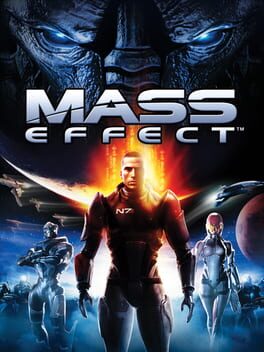
Overview
The Mass Effect saga has long been a cultural touchstone for sci‑fi RPG enthusiasts, a universe where narrative ambition and orchestral gravitas collided to create one of the most beloved series of the last two decades. From the original 2007 launch through the critically acclaimed trilogy, the franchise not only defined BioWare’s identity but also set a benchmark for player‑driven storytelling, with each installment’s score acting as a sonic conduit for the galaxy‑spanning drama. In recent years, however, the franchise’s momentum has been hampered by corporate reshuffling, EA’s aggressive monetisation strategies, and the unsettling news that the much‑anticipated fifth chapter was quietly shelved amid BioWare’s internal turmoil.
Against this backdrop, the annual N7 Day—an online celebration that traditionally showcases new content, community creations, and developer retrospectives—has become a barometer of fan sentiment. This year’s event arrived under a cloud of disappointment, yet it also sparked an unexpected act of artistic reclamation: Sam Hulick, one of the original composers whose melodic themes have become synonymous with Commander Shepard’s journey, announced he would re‑score a leaked Mass Effect 5 trailer. By re‑imagining the visual tease with his own musical vision, Hulick aims to give the community a glimpse of what could have been while offering a moment of solace during an otherwise bleak celebration.
What Happened?
Earlier this month a low‑resolution trailer for the cancelled Mass Effect 5 surfaced on various fan forums, quickly spreading across social media platforms. The clip, which featured a montage of planetary vistas, a silhouetted protagonist, and a tentative logo, was widely interpreted as evidence that development had progressed further than the public had been led to believe. Shortly after the leak, BioWare confirmed that the project had indeed been halted, citing resource reallocation and strategic pivots within Electronic Arts. The announcement left a vacuum in the community, prompting speculation about the future of the franchise and the fate of its iconic soundscape.
In response, Sam Hulick took to his personal channels to declare that he would “re‑soundtrack” the leaked footage, stitching together a new arrangement that blends his classic leitmotifs with fresh orchestral textures. Hulick explained that the endeavour is both a tribute to the original creative team and an attempt to inject a sliver of optimism into N7 Day’s mood. He set a modest timeline—aiming to release the re‑scored video before the next N7 Day—while emphasizing that this effort is unofficial and purely driven by fan passion. The project, already generating buzz, showcases Hulick’s commitment to preserving the auditory identity that helped define the series.
Analysis
The decision to re‑score a leaked asset carries weight beyond a simple fan service; it underscores the symbiotic relationship between a franchise’s musical heritage and its market viability. Historically, memorable scores have bolstered a game’s brand equity, translating into higher retention rates and stronger merchandise sales. By reviving the trailer with authentic musical cues, Hulick is effectively re‑anchoring the Mass Effect brand to its emotional core, a move that could pressure EA to reconsider the franchise’s strategic direction. Moreover, the viral nature of the re‑scored video demonstrates the power of community‑generated content to reshape narrative discourse, a trend that has been evident in other IPs where fan‑driven projects have prompted official acknowledgements or even green‑lighting of sequels.
From a technical standpoint, re‑scoring a leaked video presents challenges that are often overlooked. The original footage was not prepared for a new audio mix, meaning Hulick must navigate timing discrepancies, missing sound design cues, and the absence of isolated stems. This necessitates a blend of adaptive composition and meticulous editing, highlighting the composer’s expertise and the broader industry shift toward flexible, modular sound pipelines. Should the re‑score resonate positively, it could set a precedent for future “retro‑fit” projects, where legacy composers reinterpret unfinished or abandoned assets, thereby extending the lifecycle of dormant franchises.
XPLog Opinion
At XPLog UK we view Hulick’s initiative as a poignant reminder that the soul of a franchise lives as much in its music as in its mechanics, and that neglecting that soul can erode player loyalty faster than any missed deadline. While EA’s corporate calculus may prioritize short‑term returns, the organic enthusiasm generated by this re‑score illustrates a market appetite for authentic, creator‑led experiences. If BioWare wishes to rehabilitate its reputation and re‑engage its core audience, embracing such community‑driven gestures—perhaps by officially commissioning a “lost‑content” soundtrack—could serve as a low‑risk, high‑reward strategy to rebuild goodwill ahead of any future announcements.
Final Thoughts
Sam Hulick’s re‑imagined Mass Effect 5 trailer stands as both a nostalgic homage and a strategic flashpoint, highlighting the enduring power of music to galvanise a fractured fanbase while exposing the commercial realities that shape modern game development. As the next N7 Day approaches, observers should watch for EA’s response—whether it will be a quiet acknowledgment, a formal partnership with Hulick, or a broader statement about the franchise’s roadmap. Regardless of the corporate outcome, the re‑score has already cemented itself as a cultural artifact, reminding us that even in the wake of cancellation, the echo of a beloved universe can still reverberate through a well‑crafted melody.