
Overview
For more than a decade the industry’s most visible barometer of critical reception—Metacritic—has quietly reinforced a platform hierarchy that privileges PlayStation and PC over Xbox. While the reasons are multifaceted, ranging from historical market share to entrenched relationships between media outlets and Sony’s first‑party studios, the net effect is a chronic scarcity of professional critiques for Xbox releases. This bias is not merely academic; it shapes consumer confidence, influences retailer stocking decisions, and even feeds algorithmic recommendations on digital storefronts, creating a feedback loop that marginalises Xbox titles in the public eye.
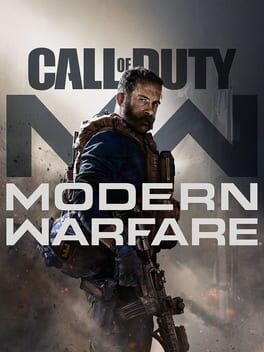
In the current console generation, that imbalance has resurfaced with alarming clarity thanks to the launch of Call of Duty: Modern Warfare 4. The blockbuster franchise, a staple of both the Xbox and PlayStation ecosystems, now finds itself at the centre of a debate that pits the sheer volume of reviews on PS5 and PC against a stark paucity on Xbox. The discrepancy is not a fleeting anomaly but a symptom of a broader trend that has been amplified by the modern media landscape’s reliance on quick-turnaround, headline‑driven coverage, leaving Xbox’s voice increasingly faint in the chorus of critical opinion.
What Happened?
When Modern Warfare 4 hit shelves across all major platforms, the professional review count on Metacritic diverged dramatically: the Xbox version was represented by a mere two full‑length critiques, whereas its PlayStation 5 and PC counterparts amassed over thirty each. This lopsided representation was highlighted in a recent article on PureXbox, which noted the stark contrast and sparked a wave of discussion across forums and social media. The limited Xbox coverage is not merely a statistical oddity; it reflects a structural issue where major gaming publications allocate their review resources preferentially, often citing limited access, perceived audience interest, or tighter embargo windows as justifications.
Developers at Activision and the internal studios behind Modern Warfare 4 have issued statements acknowledging the concern, emphasizing that the game’s performance on Xbox hardware meets parity expectations and that the company remains committed to supporting the console’s community. However, they have also hinted at logistical challenges, such as tighter review deadlines imposed by the publisher’s marketing schedule and the need to prioritise platforms with historically higher engagement metrics. The result is a scenario where Xbox players receive far fewer professional viewpoints to inform purchase decisions, despite the franchise’s longstanding reputation for driving console sales.
Analysis
The immediate market implication of this review disparity is a potential dampening of Xbox sales velocity for a title that traditionally serves as a launchpad for hardware adoption. While the Call of Duty brand carries enough weight to generate strong first‑week numbers regardless of critical coverage, the long‑term health of the Xbox ecosystem depends on sustained consumer confidence, which is bolstered by a robust critical discourse. Competitors such as Sony have leveraged dense review ecosystems to create buzz and justify premium pricing, and Nintendo’s recent emphasis on curated editorial content has helped it maintain relevance despite a smaller install base. In this competitive landscape, the lack of Xbox reviews could erode the perceived value of the platform’s exclusive and third‑party offerings.
From a technical perspective, the issue also underscores the challenges of cross‑generation development. Xbox Series X|S hardware, while on par with the PS5 in raw performance, has historically suffered from a perception of being a secondary target for optimisation, especially for large‑scale, multi‑year franchises. This perception can influence media outlets’ willingness to allocate review resources, assuming that any technical disparities will be minimal or already documented elsewhere. The broader industry trend toward simultaneous multi‑platform releases further compounds the problem, as outlets scramble to meet tight embargoes, often defaulting to the platforms with the largest anticipated readership.
XPLog Opinion
At XPLog UK we view the Modern Warfare 4 review gap as a warning sign that the Xbox brand is losing its foothold in the critical conversation that shapes gamer sentiment. It is not enough for Microsoft to rely on hardware power or subscription services; the platform must also command equitable media attention to sustain its growth trajectory. Publishers, journalists, and platform holders alike need to re‑evaluate their allocation strategies, ensuring that Xbox titles receive the same depth of analysis as their PlayStation and PC peers. Only by fostering a balanced critical ecosystem can Xbox preserve its relevance in an increasingly crowded market.
Final Thoughts
As the next wave of Xbox‑centric announcements approaches—most notably the upcoming Xbox Games Showcase slated for early 2027—the industry will be watching closely to see whether the review disparity narrows or widens. Stakeholders should monitor Metacritic’s aggregation trends, the volume of coverage from major outlets, and community feedback on Xbox forums. The way this issue resolves will not only affect the commercial performance of future Call of Duty entries but also signal how seriously the gaming press and publishers take platform parity in the era of ubiquitous cross‑play.