
Overview
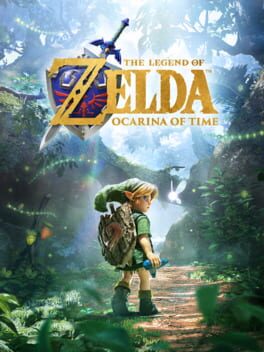
In less than two weeks the gaming world will witness the launch of what many are already dubbing the most consequential Zelda remake of the modern era. The original The Legend of Zelda: Ocarina of Time debuted on the Nintendo 64 in 1998 and instantly rewrote the rulebook for 3D action‑adventure design, setting a benchmark that still informs level architecture, narrative pacing, and combat rhythm nearly three decades later. Its influence rippled through every subsequent console generation, spawning a lineage of titles that borrowed its lock‑on targeting, context‑sensitive Z‑targeting, and cinematic storytelling. As the industry now stands at the crossroads of high‑fidelity streaming, live‑service ecosystems, and a renewed appetite for legacy content, Nintendo’s decision to resurrect this seminal entry is both a nod to its heritage and a strategic maneuver to re‑engage a demographic that grew up with the cartridge‑filled living rooms of the late ’90s.
The excitement surrounding the remake is amplified by a grassroots movement that has been bubbling on community hubs such as Nintendo Life, where fans have been asked to recount their first encounters with the game—whether they were clutching a N64 controller in 1998, discovering the title on the GameCube’s Player’s Choice re‑release, or experiencing it for the first time on a later handheld platform. These recollections are not mere nostalgia; they form a living archive that demonstrates how a single title can become a cultural touchstone, informing everything from fan art to indie developers’ design philosophies. The collective memory bank is now being leveraged by Nintendo as a marketing catalyst, turning personal anecdotes into a global chorus that amplifies the launch’s reach.
What Happened?
The announcement, delivered through a polished Nintendo Direct presentation, confirmed that the upcoming Ocarina of Time remake will arrive on the Switch platform with a suite of enhancements that include a rebuilt engine, high‑resolution textures, refined lighting, and a re‑orchestrated soundtrack performed by a live orchestra. While the core gameplay loop—exploring Hyrule, solving puzzles, and wielding the Master Sword—remains faithful to the original, the developers have promised quality‑of‑life upgrades such as a streamlined inventory system, optional difficulty settings, and a modernized UI that respects both veteran players and newcomers alike. The presentation also hinted at exclusive content, including a “Master Quest” mode that re‑imagines classic dungeons with altered layouts and tougher enemy placements, a clear signal that Nintendo intends to cater to the competitive speedrunning community that has kept the title alive in the esports fringe.
In the aftermath of the reveal, lead producer Eiji Aonuma offered a candid interview in which he described the remake as a “labour of love” that seeks to honor the original’s spirit while embracing the technical possibilities afforded by today’s hardware. He emphasized that the team consulted the original development notes, revisited motion capture sessions to perfect Link’s animation, and even re‑recorded certain voice clips to match contemporary audio standards. Moreover, Nintendo opened a temporary portal on its official site inviting fans to submit their Ocarina of Time memories, promising to feature selected stories in a post‑launch digital compendium. This community‑first approach underscores a broader industry trend where publishers are leveraging user‑generated content to deepen emotional investment and extend a title’s lifespan beyond the initial sales window.
Analysis
The Ocarina of Time remake arrives at a moment when the retro‑remake market is saturated with high‑profile revivals—from Final Fantasy VII Remake to Resident Evil 2—each demonstrating that nostalgia can be monetized when paired with substantive upgrades. Nintendo’s gamble, however, differs in that it is not merely re‑packaging a beloved classic; it is re‑contextualizing a foundational pillar of its own IP within a contemporary ecosystem that now includes subscription services like Nintendo Switch Online + Expansion Pack. By positioning the remake as both a flagship launch title and a premium addition to its online library, Nintendo can extract revenue from multiple streams: physical sales, digital downloads, and ongoing subscription fees. Competitors such as Sony and Microsoft have largely focused on cross‑generational releases that lean heavily on graphical fidelity, whereas Nintendo is leveraging brand heritage, which may prove more resilient in an era where hardware differentiation is increasingly blurred.
From a technical perspective, rebuilding the title on a modern engine poses challenges that extend beyond mere asset replacement. The original’s physics and collision detection were designed around the N64’s limited processing power, meaning that developers must reconcile legacy gameplay quirks with contemporary expectations for smoothness and precision. Failure to address these nuances could alienate purists who cherish the game’s “feel,” while over‑polishing might strip away the idiosyncratic charm that made the original iconic. Nintendo’s careful balancing act here will likely set a precedent for how legacy titles are treated moving forward, influencing both internal pipelines and third‑party studios contemplating their own remaster strategies.
XPLog Opinion
At XPLog UK we view the Ocarina of Time remake not simply as a nostalgic cash‑cow but as a strategic linchpin in Nintendo’s broader ambition to cement the Switch as a timeless platform that bridges generations. By delivering a meticulously crafted version of a game that defined 3D adventure design, Nintendo signals its confidence that classic design philosophies remain relevant, even as the industry pushes toward photorealism and live‑service models. This move also reinforces the notion that deep, story‑driven experiences—when refreshed with modern polish—can still dominate headlines in a market increasingly fragmented by microtransactions and battle‑royale fatigue. In short, the remake is a masterclass in leveraging heritage to fuel future growth, and its success will likely dictate how aggressively Nintendo pursues further revivals of its storied catalog.
Final Thoughts
As the launch window closes in, the Ocarina of Time remake stands poised to become a litmus test for how legacy content can be re‑engineered to thrive in today’s competitive landscape. Players should keep an eye on post‑launch patches that address community‑raised concerns, as well as the scheduled “Master Quest” DLC slated for early 2027, which promises to extend the title’s relevance well beyond its initial sales spike. Whether you first wielded the Master Sword on a CRT television or on a handheld Switch, the upcoming release offers a rare opportunity to relive a watershed moment in gaming history—now rendered with the fidelity and polish that modern audiences demand.