
Overview
Since its debut in 2007, the Mass Effect franchise has been more than a science‑fiction RPG; it has been a cultural touchstone for the Xbox ecosystem, a benchmark for narrative ambition, and a showcase for how music can elevate player immersion. Over the past decade, the series has weathered shifting corporate strategies, leadership turnovers at BioWare, and the broader consolidation of EA’s publishing arm, yet each new entry has been greeted with a blend of anticipation and scrutiny, reflecting the franchise’s status as a bellwether for the health of narrative‑driven, console‑first experiences. The recent announcement that BioWare’s development studio will be shuttered and that the next chapter of Mass Effect has been cancelled therefore reverberates far beyond a single IP—it signals a potential re‑orientation of EA’s long‑term investment in high‑budget, story‑centric titles at a time when the market is increasingly dominated by live‑service models and cross‑platform shooters.
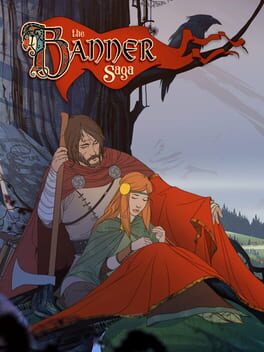
Enter Austin Wintory, a composer whose name has become synonymous with emotive, orchestral game scores that push the medium’s artistic boundaries. From the haunting, synth‑laden passages of Journey to the folk‑infused battle themes of The Banner Saga, Wintory has consistently demonstrated how a soundtrack can become a narrative character in its own right. His involvement in a future Mass Effect title would have represented a convergence of two industry powerhouses: a storied franchise seeking fresh artistic direction and a composer celebrated for redefining the emotional palette of interactive media. The loss of that collaboration, therefore, is not merely the disappearance of a project; it is the erasure of a potential landmark moment for game music and for the franchise’s evolving identity.
What Happened?
In the wake of EA’s public confirmation that the BioWare studio responsible for the Mass Effect series will cease operations, the gaming community was dealt a double blow: the abrupt termination of the next mainline entry and the revelation that the project’s soundtrack had already been in the hands of Austin Wintory. The composer took to his YouTube channel to share a 22‑minute conceptual audio suite, a piece he described as a “preview of what could have been” for the series’ sonic future. The track, layered with expansive choir sections, electronic textures reminiscent of the series’ iconic synth motifs, and a thematic leitmotif that hinted at a new narrative direction, offered a rare glimpse into a creative partnership that will never fully materialize.
Wintory’s post was accompanied by a brief statement acknowledging the disappointment felt by both fans and creators. He emphasized that the music was crafted in close collaboration with the development team before the studio’s closure, underscoring how far along the project had progressed before corporate decisions intervened. The response from the community was swift and impassioned; forums, Discord channels, and social media lit up with tributes to the unfinished score and lamentations over the broader implications for the franchise’s artistic evolution. While the audio preview is not a finished product, its existence has sparked debates about the role of auteur composers in large‑scale AAA projects and the fragility of creative pipelines in an era of rapid corporate restructuring.
Analysis
The cancellation reverberates through EA’s financial outlook, as Mass Effect has historically been a flagship title that not only drives console sales but also fuels merchandise, DLC, and cross‑media licensing. Stripping the pipeline of a high‑profile sequel removes a predictable revenue stream and forces the publisher to double‑down on its existing portfolio of live‑service franchises, such as Apex Legends and FIFA. This strategic pivot may yield short‑term cash flow stability, yet it also risks alienating a core demographic that values deep, single‑player experiences—a segment that has shown resilience in the face of market volatility, as evidenced by the success of titles like Elden Ring and Starfield.
From a broader industry perspective, the episode highlights an unsettling trend: the marginalization of bespoke, narrative‑driven sound design in favor of more cost‑effective, modular audio solutions. As development cycles shrink and risk aversion climbs, publishers are less inclined to allocate substantial budgets to composer‑led scores, even when those scores have demonstrable marketing value. However, the outcry surrounding Wintory’s unreleased work suggests a lingering appetite among gamers for richly orchestrated soundscapes, hinting that independent studios or boutique audio houses could fill the void left by AAA publishers’ retreat, potentially reshaping the ecosystem of game music production.
XPLog Opinion
At XPLog UK we view the Mass Effect cancellation as a cautionary tale about the perils of treating beloved IPs as interchangeable assets rather than cultural cornerstones. The loss of Austin Wintory’s involvement is emblematic of a deeper misalignment between corporate efficiency drives and the artistic ambition that once defined BioWare’s legacy. While EA may find short‑term financial comfort in consolidating its focus, the long‑term health of its console ecosystem—and the loyalty of its most passionate players—depends on preserving space for ambitious, story‑first projects that dare to experiment with music, narrative, and world‑building in equal measure.
Final Thoughts
As the dust settles on BioWare’s shuttering, the industry will be watching closely for EA’s next move: whether it will resurrect the Mass Effect spirit through a new studio, repurpose its assets into a different genre, or simply let the franchise fade into nostalgia. In the meantime, Austin Wintory’s haunting preview stands as a bittersweet reminder of what could have been, urging both developers and publishers to recognize that the most memorable games are often those that marry cutting‑edge gameplay with unforgettable music. Keep an eye on EA’s upcoming investor briefings later this year and any announcements from Wintory regarding future collaborations—both will offer clues about the direction of high‑budget narrative gaming in an increasingly service‑oriented market.