
Overview
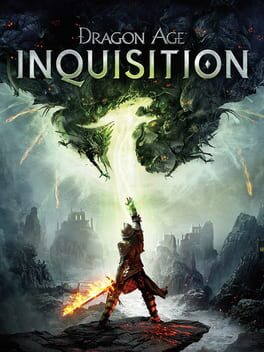
When BioWare unveiled the original Mass Effect trilogy, it did more than deliver a sci‑fi shooter; it forged a cultural touchstone that blended deep role‑playing mechanics with a cinematic narrative voice. Over the past decade the studio’s reputation has oscillated between legendary highs—most notably the critically lauded Dragon Age: Inquisition—and turbulent lows, such as the under‑whelming reception of Anthem and the abrupt cancellation of the much‑anticipated Mass Effect 5. The decision to pull the plug on the next chapter, announced amid EA’s broader strategic shift toward live‑service ecosystems, reverberated through a community that had been nurturing expectations for a generational leap in storytelling, gameplay scope, and, crucially, a soundtrack that could match the series’ emotional gravitas.
Enter Austin Wintory, a composer whose name is now synonymous with adaptive, emotionally resonant game music. Best known for the Grammy‑nominated score of Journey and the lush, oceanic textures of Abzû, Wintory has spent the last decade shaping the auditory identities of titles that prioritize player feeling over pure spectacle. His potential recruitment by BioWare signaled a deliberate intent to evolve the Mass Effect soundscape beyond the iconic, synth‑driven motifs of the original trilogy, aiming for a more orchestral‑centric palette that could underscore the series’ shift toward a darker, more mature narrative tone. In an industry where music often serves as the silent protagonist, the prospect of Wintory’s involvement raised the stakes for what could have become the most ambitious audio undertaking in BioWare’s catalog.
What Happened?
Earlier this month, Wintory took to his personal channels to release roughly twenty minutes of music he had composed during preliminary discussions with BioWare. While the pieces were never destined for a final product—given the project’s cancellation—they function as a rare window into the creative direction the studio was exploring. In a brief statement, Wintory described the tracks as “exploratory sketches” meant to capture the emotional core of a Commander Shepard returning to a galaxy on the brink of collapse, blending his signature melodic sensibility with thematic callbacks to the franchise’s established leitmotifs.
The released material showcases a hybrid orchestral approach: sweeping string passages that echo the grandeur of classic space opera, interwoven with subtle electronic textures reminiscent of the original series’ ambient sound design. Motifs that hint at the familiar “Mass Effect” theme appear in fragmented form, suggesting a narrative intention to evolve legacy material rather than simply recycle it. Moreover, the tracks experiment with adaptive layering, hinting at a dynamic score that could respond to player choices—a hallmark of BioWare’s branching storytelling philosophy.
Analysis
From a market perspective, the abandonment of Mass Effect 5 represents a significant recalibration of EA’s investment calculus. The franchise, despite its waning sales after the third installment, still commands a passionate fanbase and a recognizable brand equity that could have translated into a multi‑billion‑dollar revenue stream across console, PC, and streaming platforms. By halting development, EA not only forfeits potential long‑term profits but also risks alienating a segment of core gamers who view BioWare as a bastion of narrative depth. The loss of a high‑profile composer like Wintory compounds this risk, as music has increasingly become a differentiator in a crowded RPG market where titles such as Elden Ring and Horizon Forbidden West set new standards for immersive audio‑visual design.
Beyond immediate financial implications, the cancellation underscores a broader industry trend toward risk‑averse development cycles. Studios are gravitating toward live‑service models that promise recurring revenue, often at the expense of ambitious, single‑player experiences that require extensive narrative and artistic investment. This shift has opened a niche for independent developers and boutique studios to fill the void left by legacy publishers, and it places pressure on companies like BioWare to reinvent their pipelines if they wish to remain relevant. The Wintory excerpts, while unfinished, illustrate the kind of artistic ambition that could serve as a rallying point for future collaborations, perhaps under a new publishing arrangement that prioritizes creative freedom over quarterly earnings.
XPLog Opinion
At XPLog UK we view the disappearance of Mass Effect 5 not merely as a missed commercial opportunity but as a cautionary tale about the fragility of flagship IPs in an era dominated by short‑term monetisation strategies. The fact that a composer of Austin Wintory’s calibre was willing to invest time in speculative material indicates that the franchise still possesses a magnetic pull for top‑tier talent. EA would do well to reconsider how it structures its relationships with legacy studios, perhaps by granting them greater autonomy to pursue passion‑driven projects that can reinvigorate brand loyalty. In the meantime, the music that surfaced should be celebrated as a testament to what could have been—a reminder that the soul of a game often lies in the notes that accompany its story.
Final Thoughts
While the twenty minutes of unreleased score may never see a full orchestral release, they stand as an auditory artifact of a project that could have reshaped the Mass Effect narrative landscape. Players and industry watchers alike should keep an eye on EA’s upcoming fiscal disclosures and any potential announcements regarding the stewardship of the Mass Effect IP, as a revival under a different banner is not beyond the realm of possibility. Until then, the fragments left by Wintory serve both as a bittersweet glimpse into a lost world and as a rallying cry for studios to protect the artistic ambitions that keep core gamers invested in the medium.