
Overview
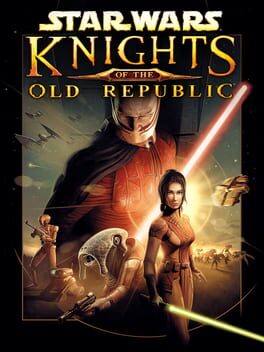
The video‑game industry was rocked last week when Electronic Arts confirmed the abrupt shutdown of BioWare, the studio whose narrative‑driven RPGs have defined a generation of gamers. From the original Star Wars: Knights of the Old Republic to the critically acclaimed Dragon Age saga, BioWare’s legacy has been built on deep characterisation, branching storylines, and a musical language that has become inseparable from its universes. The decision to pull the plug on a studio that still held the reins of the beloved Mass Effect franchise sent shockwaves through investor circles, fan forums, and development pipelines alike, raising immediate questions about the future of one of the most commercially successful sci‑fi sagas in modern gaming.
Enter Austin Wintory, a composer whose résumé includes the hauntingly beautiful scores of Journey, Abzû, and the award‑winning Assassin’s Creed Syndicate. Wintory’s reputation for marrying orchestral grandeur with emotional intimacy makes him a natural fit for a series that has always leaned heavily on music to underscore its interstellar drama. In the wake of BioWare’s closure, Wintory released a twenty‑minute audio suite that he originally pitched to BioWare and EA as part of his bid to join the yet‑unrealised Mass Effect 5 development team. The release is more than a demo; it is a cultural artifact that captures a moment when a veteran composer attempted to steer a franchise through an unprecedented corporate upheaval.
What Happened?
According to the composer’s own social‑media post, the twenty‑minute suite was composed over a span of several weeks, aligning with an internal pitch process that BioWare traditionally used to vet external talent for major projects. The music, which weaves together soaring brass motifs reminiscent of the original trilogy’s iconic themes with subtle, ambient textures that hint at the series’ evolving tone, was intended to demonstrate Wintory’s ability to honor the franchise’s heritage while pushing its auditory palette forward. The pitch was reportedly delivered to a small panel of senior EA executives and former BioWare leads just days before the studio’s doors were shuttered, making the timing of its public release both poignant and strategic.
Fans and industry observers reacted with a mixture of admiration for Wintory’s craftsmanship and a palpable sense of loss for the “what‑could‑have‑been” scenario. Within hours, the clip amassed thousands of comments, many of which speculated on whether EA might resurrect the project under a different internal studio or hand it to an external partner. Analysts have noted that EA’s broader strategy of consolidating its IPs under fewer, more financially stable studios could mean that the Mass Effect universe will be shepherded by a team with a markedly different design philosophy, potentially reshaping the franchise’s core gameplay loops and narrative focus.
Analysis
The emergence of Wintory’s music at this juncture underscores a broader industry trend: the increasing importance of audio branding as a differentiator in a saturated market. As publishers grapple with franchise fatigue and the rising costs of AAA development, a compelling soundtrack can become a decisive factor in retaining player loyalty and justifying premium pricing. Moreover, the public nature of this pitch highlights a shift toward greater transparency in development pipelines, where creators are leveraging social platforms to showcase work that might otherwise remain locked behind NDA‑bound conference rooms. From a market perspective, EA’s handling of the Mass Effect IP will likely serve as a case study for how legacy franchises can be revitalised—or diluted—when the original creative engine is removed. If EA opts to integrate Wintory’s musical direction into a new development team, it could signal a willingness to preserve the franchise’s aesthetic DNA while re‑engineering its production model to be more cost‑effective.
XPLog Opinion
At XPLog UK we view Wintory’s public offering as both a lament and a beacon: a lament for the lost synergy between BioWare’s narrative mastery and its musical identity, and a beacon that illustrates the resilience of the community and the power of individual creators to shape a franchise’s destiny even after corporate upheaval. The twenty‑minute suite proves that the emotional core of Mass Effect remains intact, and it should compel EA to treat the series not merely as a revenue stream but as a cultural cornerstone that demands careful stewardship. In our assessment, the most prudent path forward is a hybrid approach—pairing a fresh development studio with seasoned talent like Wintory—to ensure that the franchise’s next chapter feels both familiar and forward‑looking.
Final Thoughts
While the exact roadmap for Mass Effect 5 remains shrouded in corporate caution, the release of Austin Wintory’s score provides a tangible glimpse of what could still be achieved under the right creative leadership. Players should keep an eye on EA’s upcoming investor briefings and any formal announcements regarding a new development partner, expected in the next quarter. Until then, the twenty minutes of music stand as a reminder that even in the wake of a studio’s demise, the spirit of a franchise can survive—if only the right hands are willing to listen and act.