
Overview
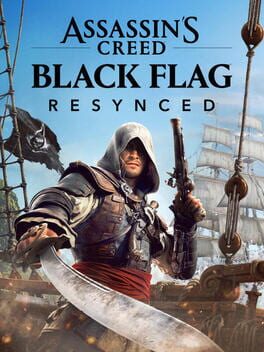
After a quiet stretch that saw only minor balance tweaks and cosmetic drops, Ubisoft has finally broken its silence on Assassin's Creed Black Flag Resynced, the definitive remaster of the 2013 pirate‑infused blockbuster. The update arrives at a pivotal moment for the industry, as publishers scramble to extract renewed value from legacy IPs while simultaneously courting a new generation of players accustomed to perpetual content streams. Black Flag, originally celebrated for its seamless blend of open‑sea exploration and naval combat, has long been a touchstone for the franchise’s golden era, and its resurgence under the "Resynced" banner reflects Ubisoft’s broader strategy of revitalising classic titles with modern polish, cross‑platform parity, and live‑service post‑launch support.
In the wider market, the move mirrors a trend set by competitors such as Rockstar’s ongoing GTA V updates and Capcom’s remastered collections, where sustained engagement is monetised through DLC, seasonal events, and quality‑of‑life enhancements. For Ubisoft, the stakes are higher: the Assassin's Creed brand has weathered both critical highs and commercial troughs, and its ability to keep older entries relevant directly influences the health of the franchise’s ecosystem, from the upcoming Assassin's Creed Mirage to the long‑term viability of Ubisoft Connect as a hub for cross‑title loyalty. The new patch, therefore, is not merely a cosmetic refresh; it is a strategic signal that Ubisoft intends to treat its back catalogue as a living portfolio rather than a dust‑gathering archive.
What Happened?
Announced in a terse developer blog post and rolled out globally at 00:00 UTC, the final major patch for Black Flag Resynced introduces a long‑awaited New Game Plus mode that lets players restart the campaign with all previously earned gear, abilities, and ship upgrades intact, while scaling enemy difficulty to preserve challenge. Alongside this, a brutally demanding Nightmare difficulty has been added, promising enemies with heightened aggression, smarter AI tactics, and a relentless resource drain that will test even the most seasoned buccaneers. The update also bundles a suite of quality‑of‑life refinements: rebalanced loot tables, streamlined inventory management, and a refreshed UI that aligns the experience more closely with the standards set by newer Assassin's Creed titles such as Valhalla and Frontier.
Ubisoft’s development team, led by senior producer Claire Bouchard, emphasized that the patch is the culmination of community feedback collected over the past eighteen months. In a candid interview, Bouchard highlighted that the New Game Plus request topped the forum polls, while the desire for a more punishing endgame experience—catalysed by the rise of “hard‑core” streaming communities—directly inspired the Nightmare mode. The patch also addresses lingering technical grievances, including frame‑rate spikes on older consoles and minor texture pop‑in issues that had persisted since the initial launch of Resynced, thereby ensuring the title runs smoothly across PlayStation 5, Xbox Series X|S, and PC.
Analysis
From a market perspective, the timing of this update is astute. Ubisoft is currently navigating a fiscal year where legacy titles must offset the lagging sales of newer releases that have struggled to meet the lofty expectations set by earlier franchise entries. By delivering a substantive content drop that expands replayability, Ubisoft not only prolongs the revenue tail of Black Flag Resynced through increased player retention but also gathers fresh engagement metrics that can be leveraged in future franchise planning. Moreover, the introduction of New Game Plus aligns the title with a broader industry shift toward “evergreen” game designs, where post‑launch content is less about episodic DLC and more about deepening the core loop, a model championed by titles like Elden Ring and Diablo IV.
Competitively, the patch positions Ubisoft against other studios that have successfully re‑monetised older IPs. While Rockstar continues to monetise GTA V through micro‑transactions and regular content updates, Ubisoft’s approach is decidedly less aggressive, focusing on player‑centric enhancements rather than additional spend. This could foster goodwill within the community, especially as the franchise has faced criticism over perceived monetisation excesses in recent years. Technically, the patch showcases Ubisoft’s maturing internal tools for cross‑generation optimisation, a capability that will be critical as the company prepares to roll out similar updates for other legacy titles like Prince of Persia: The Sands of Time Remastered.
XPLog Opinion
At XPLog UK, we view this final patch as a decisive statement that Ubisoft is finally learning to treat its heritage catalog with the respect and ongoing support it deserves; the addition of New Game Plus and Nightmare difficulty does more than placate long‑standing fans—it repositions Black Flag Resynced as a benchmark for how legacy action‑adventure games can remain competitively relevant in a market increasingly dominated by live‑service juggernauts.
Final Thoughts
In sum, Ubisoft’s last major push for Assassin's Creed Black Flag Resynced not only delivers the features players have been clamouring for but also exemplifies a mature, community‑first philosophy that could reshape how publishers approach older titles. As the patch rolls out, the industry will be watching to see whether the sustained engagement metrics justify similar updates for other dormant franchises, and whether Ubisoft can translate this goodwill into stronger launch windows for its upcoming releases. Keep an eye on the next quarterly earnings report and the forthcoming Ubisoft Forward showcase for concrete signals on how this strategy will evolve.