
Overview
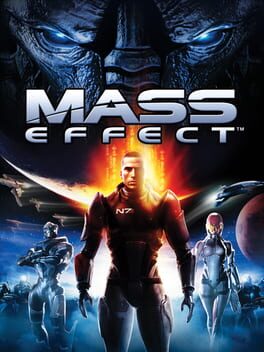
Electronic Arts’ recent decision to excise the Mass Effect brand from its upcoming Battlefield 6 event marks a watershed moment for one of the most influential science‑fiction RPG franchises of the past two decades. The Mass Effect saga, launched in 2007, pioneered narrative branching, moral choice, and a richly detailed universe that spawned a dedicated fanbase, multiple spin‑offs, and a cultural imprint that extended beyond the console market into novels, comics, and even a feature film. Over the years, EA’s stewardship of the IP has been a study in contrasts: blockbuster successes like the original trilogy were juxtaposed against a series of missteps, most notably the contentious reception of the 2017 reboot, Mass Effect: Andromeda, which struggled to meet the lofty expectations set by its predecessors.
In the broader context of the current industry, EA’s move reflects a growing trend among large publishers to streamline portfolios and prioritize titles with clear, immediate revenue pipelines. The console wars have intensified, with Sony, Microsoft, and Nintendo each courting exclusive experiences, while subscription services such as Xbox Game Pass and PlayStation Plus Premium have reshaped how players discover and consume content. Within this ecosystem, legacy franchises that no longer guarantee strong launch sales are increasingly vulnerable to being sidelined or repurposed as ancillary marketing assets, a reality that now appears to have befallen Mass Effect.
What Happened?
Earlier this quarter, EA officially cancelled the next installment of the Mass Effect series, a decision that coincided with the abrupt closure of BioWare’s flagship studio responsible for the franchise’s development. While EA has not disclosed a precise timeline for the shutdown, internal reports suggest that the studio’s dissolution was part of a broader restructuring aimed at reallocating resources toward higher‑performing live‑service titles such as the Battlefield franchise and the ever‑expanding FIFA portfolio. The cancellation effectively halts any near‑term continuation of the mainline narrative, leaving the trilogy’s unresolved plot threads to linger in a state of indefinite suspension.
Concurrently, EA began stripping Mass Effect branding from ancillary content across its other properties. The most visible manifestation of this effort was the removal of a planned Mass Effect‑themed cosmetic set from the upcoming Battlefield 6 live‑event, a move that signaled to the community that the IP is no longer being leveraged as a cross‑promotional hook. Industry insiders speculate that unless a third‑party studio secures a separate licensing agreement—or EA decides to divest the property entirely—the Mass Effect name will fade from active development pipelines, relegated to a nostalgic footnote in EA’s expansive catalogue.
Analysis
The strategic calculus behind EA’s purge of Mass Effect can be interpreted through the lens of risk‑adjusted return on investment. While the franchise once commanded premium pricing and strong first‑sale numbers, its recent releases have underperformed relative to EA’s internal benchmarks, especially when compared to the steady cash flow generated by live‑service shooters and sports titles. By eliminating the brand from peripheral marketing assets, EA reduces licensing overhead and frees up creative bandwidth to double‑down on properties that align with its current revenue model—namely, games that can sustain long‑term player engagement through seasonal updates, battle passes, and microtransactions.
From a competitive standpoint, the vacuum left by Mass Effect’s retreat may embolden rival studios to fill the narrative RPG niche with fresh IPs that promise deeper player agency without the baggage of legacy expectations. Moreover, the decision could have downstream effects on console ecosystems; Sony’s PlayStation platform, historically a stronghold for narrative‑driven titles, may see an opportunity to court developers seeking a flagship sci‑fi RPG home, while Microsoft’s acquisition strategy could position it as the new steward of high‑profile, story‑centric franchises. The ripple effect extends to the player community as well, where long‑time fans are likely to migrate toward emerging titles that echo Mass Effect’s thematic ambitions, thereby reshaping the market demand curve for immersive, choice‑driven experiences.
XPLog Opinion
At XPLog UK, we view EA’s abrupt abandonment of Mass Effect as a cautionary tale about the perils of treating beloved IPs as interchangeable commodities. While the financial rationale is understandable, the long‑term cultural cost—eroding trust among a passionate fanbase and diluting the studio’s reputation for narrative excellence—may outweigh short‑term fiscal gains. The industry thrives on legacy franchises that act as cultural anchors; when those anchors are pulled, the ecosystem loses a point of reference that helps define genre expectations and inspires innovation. EA would do well to consider a more measured transition, perhaps licensing the IP to a dedicated studio that can revitalize it without the constraints of a large publisher’s quarterly earnings pressure.
Final Thoughts
In sum, the excision of Mass Effect from EA’s active roster signals a decisive shift toward a portfolio dominated by live‑service and sports titles, leaving the once‑vibrant sci‑fi RPG space open for new creators to claim the mantle. Players should keep an eye on upcoming announcements at major showcases such as E3, Gamescom, and the Game Awards, where any hints of a new steward for the Mass Effect universe—or a compelling successor—are likely to surface. Until then, the legacy of Commander Shepard remains a potent reminder of how a single franchise can shape an industry—and how its disappearance can reverberate across consoles, studios, and the hearts of gamers worldwide.