
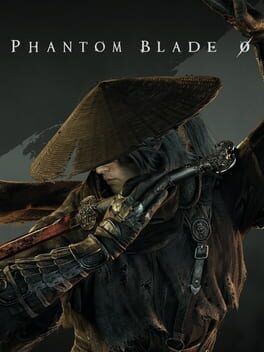
Overview
When Sony’s PlayStation 5 entered the market, the console’s success was as much a story of hardware prowess as it was of the exclusive titles that would define its identity. Over the past three years, Sony has leaned heavily on a blend of heavyweight franchises and daring indie collaborations to keep the ecosystem vibrant, a strategy that has paid dividends in both subscriber growth and hardware sales. In this climate, a new exclusive from the relatively under‑the‑radar studio S‑GAME, *Phantom Blade Zero*, arrived with the promise of delivering the kinetic flair traditionally associated with the platform’s marquee action titles while also carving a niche for more experimental, animation‑driven combat experiences.
The anticipation surrounding *Phantom Blade Zero* was not born in a vacuum; the title had been showcased at several industry events where its fluid animation, razor‑sharp combat mechanics, and wildly imaginative boss designs drew murmurs of admiration from both journalists and developers alike. Those early impressions hinted at a game that could marry the visceral satisfaction of classic hack‑and‑slash titles with a modern, almost cinematic visual language—a combination that, if executed well, could elevate the title from a niche curiosity to a genuine contender for Game of the Year across the broader console landscape.
What Happened?
The first wave of critical reviews has now landed, and the consensus is overwhelmingly positive. Major outlets have praised the game’s seamless integration of the PS5’s DualSense haptics, noting how the tactile feedback enhances the sensation of each blade strike and parry. Reviewers have also highlighted the game’s robust difficulty scaling, which rewards both casual players seeking a polished experience and hardcore enthusiasts craving the precision of a “skill‑based” combat system. Scores are clustering in the high‑80s to low‑90s, positioning *Phantom Blade Zero* alongside the year’s most lauded releases.
Beyond the numbers, critics have delved into the game’s design philosophy, emphasizing the “weaponised fun” that S‑GAME has cultivated. The title’s boss encounters, described as “imaginative set‑pieces,” blend high‑octane choreography with puzzle‑like patterns that demand both reflexes and strategic foresight. Moreover, the game leverages the PS5’s SSD to deliver near‑instant loading times, ensuring that the narrative momentum never stalls—a technical achievement that underscores Sony’s hardware advantage and sets a benchmark for future exclusives.
Analysis
From a market perspective, *Phantom Blade Zero* arrives at a pivotal moment when Sony is seeking to diversify its exclusive portfolio beyond the traditional AAA heavyweights. While franchises like *God of War* and *Horizon* dominate headline sales, a high‑quality indie‑ish title can attract a different segment of the player base—those who gravitate toward fast‑paced, skill‑centric experiences. This diversification is crucial as the console war evolves into a battle of ecosystem depth rather than sheer hardware power, and a strong indie‑first approach can improve platform stickiness, especially among younger, digitally native gamers who value novelty and replayability.
Technically, the game showcases how the next‑gen architecture can be harnessed without the massive budgets typical of triple‑A productions. S‑GAME’s use of a proprietary animation pipeline, combined with the PS5’s hardware‑accelerated ray tracing for atmospheric lighting, demonstrates that smaller studios can still push visual fidelity to new heights. However, the title also underscores a lingering challenge: the need for broader discoverability on the PlayStation Store. Even with glowing reviews, a game’s commercial success hinges on effective curation and marketing—a domain where Sony’s upcoming “PlayStation Spotlight” initiatives could prove decisive.
XPLog Opinion
At XPLog UK we see *Phantom Blade Zero* as a litmus test for Sony’s long‑term exclusive strategy: if a modestly sized studio can deliver a title that competes for Game of the Year, it validates the console’s capacity to nurture a thriving third‑party ecosystem. This bodes well for upcoming releases from other indie partners, and it signals to developers that the PlayStation platform remains a fertile ground for ambitious, high‑risk projects that might otherwise be sidelined on more fragmented ecosystems.
Final Thoughts
In sum, *Phantom Blade Zero* is shaping up to be more than just another action title; it is a statement of intent from both S‑GAME and Sony that the PS5 can host a spectrum of experiences that are technically sophisticated, creatively daring, and commercially viable. As the year unfolds, keeping an eye on the game’s sales trajectory, upcoming DLC roadmaps, and its influence on future indie collaborations will be essential for anyone tracking the evolving dynamics of console exclusivity.