
Overview
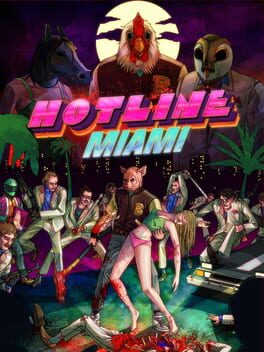
The GameMaker engine, originally born in the early 1990s as a modest drag‑and‑drop creator for hobbyists, has spent the last two decades quietly evolving into a powerhouse that underpinned cultural touchstones such as Undertale, Hotline Miami and Spelunky. Those titles demonstrated that a streamlined, script‑friendly workflow could produce experiences rivaling triple‑A polish while keeping development budgets in the low‑six‑figure range, a formula that helped cement GameMaker’s reputation as the go‑to tool for solo creators and small studios. Yet despite its artistic pedigree, the engine’s commercial licensing model—charging a yearly fee for the right to sell PC builds—has long been a point of friction for developers eyeing the increasingly crowded indie marketplace.
In the broader context of today’s engine wars, YoYo Games’ decision to lift the PC commercial fee arrives at a moment when Unity and Unreal are courting the same developers with aggressive revenue‑share schemes, while open‑source alternatives like Godot are gaining traction thanks to zero‑cost licensing. The move can be read as a strategic pivot aimed at retaining relevance amid a shifting economic landscape where platform holders and digital storefronts demand ever‑lower barriers to entry. By aligning its PC policy with the already‑free web and mobile tiers, GameMaker positions itself to compete not just on features but on affordability, a factor that could redraw the map of indie development pipelines in the years ahead.
What Happened?
Earlier this week YoYo Games announced that, effective from the next quarterly update, any game built with the latest iteration of GameMaker will be eligible for unrestricted commercial release on Windows PCs without the need for a paid license. The company’s press release emphasized that the change applies retroactively to all existing license holders, meaning that developers who have been paying the annual fee can continue to use their entitlement while new entrants can publish for free from day one. The statement also clarified that the free‑to‑publish model will coexist with the existing free tiers for HTML5 and mobile, effectively unifying the engine’s commercial policy across all three major platforms.
Accompanying the announcement, YoYo’s CEO highlighted a “new revenue‑first philosophy” that will see the company double‑down on optional services such as premium asset packs, cloud‑based build pipelines, and a marketplace for third‑party extensions. While the core engine will remain cost‑free for PC, YoYo hinted at a future where advanced analytics, multiplayer back‑ends, and priority support could be monetised on a subscription basis. The rollout is slated for the end of Q4 2026, giving developers a short window to adapt their pipelines and update any existing licensing metadata before the new terms take effect.
Analysis
From a market‑share perspective, removing the PC fee could dramatically lower the entry barrier for developers who have been hesitant to adopt GameMaker due to perceived cost constraints. Historically, Unity’s free tier has dominated the indie segment, but it imposes a revenue‑share threshold that many creators view as a hidden tax. GameMaker’s outright free model sidesteps that friction, potentially attracting a wave of titles that would otherwise gravitate toward Unity or Godot. This influx could translate into a richer ecosystem of GameMaker‑powered games on Steam, Epic, and the Microsoft Store, reinforcing the engine’s brand equity and giving YoYo a larger user base to upsell premium services.
However, the decision also introduces technical and strategic challenges. GameMaker’s architecture, while praised for its rapid iteration cycle, has historically lagged behind competitors in delivering high‑fidelity console ports. By focusing on a free PC offering, YoYo may inadvertently widen the gap between its Windows pipeline and the more arduous processes required for PlayStation, Xbox and Nintendo Switch certification. Developers seeking multi‑platform releases will still need to invest in console licences, which could create a two‑tier ecosystem where PC remains the low‑cost sandbox while console ambitions demand additional capital. YoYo’s success will therefore hinge on how effectively it can streamline cross‑platform exports and whether it can monetize ancillary services without alienating the newly liberated PC developer community.
XPLog Opinion
At XPLog we view YoYo’s bold pricing overhaul as a calculated gamble that could pay dividends by re‑energising the indie engine market. By stripping away the PC fee, GameMaker reasserts its identity as a creator‑first platform, a stance that resonates with the core‑gamer demographic that values artistic freedom over corporate licensing shackles. Yet the real test will be YoYo’s ability to convert this goodwill into sustainable revenue streams through value‑added services; without a clear monetisation roadmap, the free model risks becoming a short‑lived promotional stunt that fails to fund long‑term engine development.
Final Thoughts
The free‑to‑publish shift marks a watershed moment for GameMaker, one that could reshape the indie development landscape by making PC publishing truly accessible. As the Q4 2026 deadline approaches, developers should monitor YoYo’s forthcoming SDK updates, the rollout of its premium service catalogue, and any signals from console manufacturers regarding export pipelines. If executed with strategic finesse, this policy could usher in a renaissance of GameMaker‑crafted experiences that not only enrich the PC storefronts but also set a new benchmark for how engine providers balance openness with profitability.