
Overview
The announcement that BioWare’s long‑rumoured next‑generation project—tentatively dubbed “Mass Effect Universe”—has been axed sent shockwaves through the RPG community, reigniting a debate that has simmered since the franchise’s tumultuous post‑2012 era. After the studio’s unexpected downsizing and the mixed reception of the 2017 reboot, expectations for a bold new direction grew into a near‑cult anticipation, especially as EA’s quarterly earnings hinted at a renewed focus on narrative‑driven live‑service titles. In this climate, the cancellation feels less like a routine portfolio shuffle and more like a symbolic retreat from a genre that once defined the console experience for a generation of gamers.
What makes the current backlash noteworthy is its scale and organization: a petition hosted on the Citadel’s fan‑run platform has already amassed more than 200,000 signatures, a figure that rivals the most successful grassroots campaigns in gaming history. This surge reflects not only nostalgia for Commander Shepard’s saga but also a broader industry trend where player communities leverage digital mobilisation to influence corporate roadmaps. The petition’s momentum arrives at a moment when EA is wrestling with the fallout from its “EA Play” subscription model and the growing clout of streaming‑first services, forcing the publisher to reckon with how beloved IPs can be leveraged—or lost—in an increasingly fragmented market.
What Happened?
Late last week, EA confirmed that the internal team working on the next Mass Effect title would be disbanded, effectively shelving the project that had been in development for roughly two years. Official statements framed the decision as a “strategic realignment” aimed at reallocating resources toward higher‑growth live‑service ventures, yet insiders leaked that the cancellation was precipitated by a combination of budget overruns and a lack of clear direction from senior leadership. The development pipeline, which reportedly featured a hybrid engine blend of Frostbite and a proprietary narrative framework, had already entered its pre‑alpha phase, meaning substantial assets and story beats were likely already in the vault.
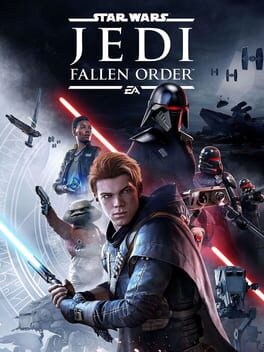
In response, fans rallied on social media, with the petition’s first wave gathering 50,000 signatures within 48 hours. The campaign’s organizers have called for EA to either revive the cancelled project under a new studio umbrella or, at minimum, to release the existing work as a “lost‑content” expansion for Mass Effect Andromeda. Notably, several former BioWare alumni have voiced public support, hinting that a talent exodus could further complicate any future attempts to resurrect the title. The petition also references past precedents—such as the revival of “Star Wars Jedi: Fallen Order” after fan outcry—to argue that EA possesses both the financial muscle and the brand equity to reconsider its stance.
Analysis
The immediate market impact of the cancellation is two‑fold. First, it underscores EA’s shifting revenue calculus away from premium single‑player experiences toward recurring‑revenue models, a move that aligns with the broader industry pivot observed in the last five years. However, by abandoning a flagship RPG, EA risks alienating a segment of its consumer base that historically drives higher average spend per user, particularly through deluxe editions, DLC, and collector’s bundles. Competitors like Square Enix and Bethesda have capitalised on this niche, delivering expansive, story‑rich worlds that command premium pricing and sustain long‑term engagement.
Second, the petition’s rapid growth signals a resurgence of player‑driven advocacy that could reshape how publishers evaluate “soft‑cancelled” projects. If EA chooses to engage constructively, it may set a precedent for co‑development arrangements, where community feedback directly informs roadmap decisions—a model already being explored by studios leveraging early‑access and community‑funded iterations. Conversely, a dismissive stance could erode goodwill, potentially accelerating the migration of core gamers toward platforms that champion artistic autonomy, such as Epic Games Store’s “Support Indie” initiatives or emerging blockchain‑backed ecosystems.
XPLog Opinion
From XPLog’s perspective, the Mass Effect petition is more than a nostalgic plea; it is a litmus test for EA’s willingness to balance short‑term financial engineering with the long‑term health of its most iconic franchises. The publisher must recognise that the value of a beloved IP extends beyond immediate sales spikes—it cultivates brand loyalty, fuels cross‑media opportunities, and anchors a community that can be monetised sustainably over a decade. Ignoring the clear, data‑driven signal from over 200,000 dedicated fans would be a strategic misstep that could reverberate across EA’s entire portfolio, especially as rivals double‑down on narrative depth to differentiate themselves in a crowded market.
Final Thoughts
As the petition continues to climb, the next few weeks will be critical for EA and BioWare alike. Whether the studio re‑opens the doors to “Mass Effect Universe,” repurposes its assets, or simply bows out, the episode will shape industry conversations about fan agency, the viability of high‑budget single‑player RPGs, and the evolving economics of blockbuster IPs. Keep an eye on EA’s upcoming earnings call and any statements from former BioWare staff—those will be the first indicators of whether this fan‑driven movement can truly alter the fate of one of gaming’s most storied sagas.