
Overview
Every year on October 23rd the Fallout community pauses to commemorate the in‑game nuclear cataclysm, a date that has evolved into a ritual of fan‑driven celebrations, Bethesda marketing drops, and the occasional surprise from the modding underground. This calendar marker has become a cultural touchstone, a moment when the franchise’s fractured legacy—spanning Bethesda’s post‑2008 acquisitions, the lingering shadow of Black Isle Studios, and the ever‑expanding mod ecosystem—converges into a single, noisy pulse of activity.
Against that backdrop, a collective of veteran modders behind the ambitious "Fallout: The New West" project has seized the occasion to unveil a piece of hardware that never officially existed: a Pip‑Boy skin inspired by the design documents of the cancelled third‑generation Fallout, codenamed Van Buren. The release is more than a cosmetic flourish; it is a tangible reclamation of a development era that was abruptly terminated in 2003, a period when Black Isle was poised to push the series into a darker, more open‑world direction before corporate restructuring buried the project forever. By re‑imagining the iconic wrist‑mounted computer through Van Buren’s lens, the modders are not only honoring a lost chapter of the series but also challenging the notion that Bethesda’s current iterations are the sole arbiters of the franchise’s aesthetic future.
What Happened?
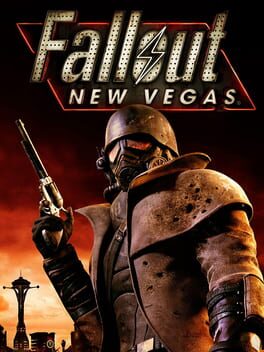
On the anniversary of the fictional apocalypse, the New West team released a downloadable asset pack for Fallout: New Vegas that replaces the default Pip‑Boy UI with a sleek, angular redesign directly lifted from the leaked Van Buren concept art. The pack includes high‑resolution textures, animated gauge overlays, and a suite of optional sound cues that echo the gritty, industrial ambience described in the original design briefs. Accompanying the visual overhaul are several weapon mods—each bearing the distinctive brass and rivet motifs that were slated for Van Buren’s armory—allowing players to outfit their wasteland survivors with gear that feels both nostalgic and freshly imagined.
In a candid developer diary posted to the project’s forum, lead modder "WastelandSmith" explained that the timing was intentional: "We wanted to give the community something that feels like a bridge between what could have been and what is. October 23rd is a day of remembrance, so releasing a piece of Van Buren’s DNA feels like a tribute to the fans who have kept the series alive through countless modding milestones." The team also hinted at future milestones, including a planned narrative expansion that will weave Van Buren‑style story beats into New Vegas’ existing quest structure, effectively creating a hybrid experience that blurs the line between fan‑made content and official DLC.
Analysis
The emergence of a Van Buren‑inspired Pip‑Boy at this juncture signals a subtle shift in how community creators can influence franchise perception. Historically, Bethesda has leveraged mod support as a goodwill gesture, yet it has rarely allowed fan projects to encroach upon the visual identity of its flagship titles. By embracing a design that harks back to Black Isle’s cancelled vision, the modders are indirectly pressuring Bethesda to acknowledge the commercial viability of legacy concepts that were once deemed too risky or costly. In a market where retro‑styled reboots and nostalgia‑driven releases dominate charts—think of the success of "Fallout Shelter" and the resurgence of classic RPG mechanics—this mod could act as a catalyst for Bethesda to revisit shelved ideas or, at the very least, to grant more permissive modding tools that enable deeper integration of fan‑crafted assets.
From a broader industry perspective, the release also underscores the growing economic relevance of the modding economy. Platforms such as Nexus Mods report millions of active users and a thriving donation ecosystem, turning hobbyist work into a quasi‑professional pipeline. When a high‑visibility mod like this garners press coverage, it validates the notion that community‑generated content can serve as a low‑cost, high‑engagement marketing asset for publishers. Moreover, the timing aligns with the upcoming next‑gen console roll‑out, where developers are scrambling to fill content pipelines; a well‑crafted mod that revitalizes an older title can extend the lifespan of legacy engines, providing a buffer against the pressures of rapid hardware turnover.
XPLog Opinion
At XPLog UK we view the New West Pip‑Boy as a watershed moment that proves the modding community remains the most potent creative force still tethered to the Fallout mythos. It demonstrates that, even after a decade of corporate churn, the core audience still craves the darker, more nuanced storytelling that Black Isle pioneered. Bethesda would be wise to monitor the reception of this mod not merely as a novelty but as a barometer of player appetite for a return to the series’ roots—an appetite that could translate into tangible sales if the publisher ever elects to resurrect Van Buren in an official capacity.
Final Thoughts
The Van Buren‑inspired Pip‑Boy release is a reminder that the line between fan homage and industry influence is increasingly porous. As the modders continue to flesh out their narrative ambitions and Bethesda eyes its next major expansion, players should keep an eye on community channels for further leaks, beta builds, and perhaps even a formal partnership that could see this retro‑futuristic hardware become an official add‑on. Until then, the wasteland’s wrist will glow with a design that never saw the light of day, offering a tantalizing glimpse of what might have been—and what could still be.