
Overview
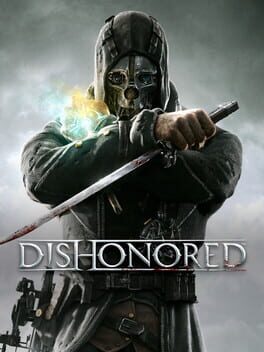
In the volatile arena of first‑party development, the fate of a studio can ripple across an entire console ecosystem. Arkane Lyon, the Paris‑based creator behind critically lauded titles such as Dishonored and Prey, has become the latest flashpoint in Microsoft’s ongoing consolidation of Xbox Game Studios. The initial deadline of November 13th, set amid a terse consultation process, signalled a potential end‑of‑the‑road for the studio, stirring anxiety among fans and industry watchers alike. The announcement that the consultation period has now been extended by a month pushes the decisive moment into December, offering a brief reprieve but also underscoring the high‑stakes nature of corporate restructuring in the post‑pandemic market.
Microsoft’s acquisition of ZeniMax Media in 2021 brought Arkane under the Xbox umbrella, aligning it with a broader strategy to bolster exclusive content for both Xbox consoles and the burgeoning Game Pass subscription. Yet, the integration has not been seamless; the studio has grappled with shifting priorities, resource allocation challenges, and the pressure to deliver a next‑gen title that can compete with heavyweight releases from Sony’s Naughty Dog or Nintendo’s flagship franchises. The extended deadline arrives at a time when Microsoft is simultaneously courting developers with generous publishing deals while also pruning its portfolio to focus on titles that can drive subscriber growth, making Arkane’s predicament a microcosm of the larger tension between creative ambition and fiscal pragmatism.
What Happened?
The consultation process, a legal mechanism employed in the United Kingdom to explore options such as restructuring, redundancy, or closure, was initially slated to wrap up by mid‑November. Sources close to the matter disclosed that Microsoft’s internal review team had identified significant cost overruns on Arkane’s upcoming project, coupled with concerns about the studio’s ability to meet the aggressive launch windows demanded by the Xbox roadmap. In response, senior executives issued a statement to PC Gamer affirming that they would “extend the consultation period” to allow additional time for a viable solution, be it a strategic partnership, a pivot in development focus, or a potential sale of the studio’s IP assets.
While the precise nature of the “solution” remains opaque, the extension signals that Microsoft is not yet prepared to make a final call on Arkane’s future. Industry analysts speculate that the extra month could be used to negotiate a co‑development agreement with an external publisher, reallocate Arkane’s talent to other Xbox Game Studios projects, or even explore a buy‑back arrangement with the studio’s founders, who have historically retained a degree of creative autonomy. The move also buys Microsoft time to align Arkane’s output with the broader Game Pass content calendar, ensuring that any eventual decision does not jeopardize the subscription service’s promise of a steady stream of high‑quality, exclusive experiences.
Analysis
The extension of Arkane’s consultation period is emblematic of Microsoft’s evolving approach to studio management. Since the acquisition of Bethesda, the tech giant has demonstrated a willingness to invest heavily in narrative‑driven, single‑player experiences that can serve as marquee attractions for Game Pass. However, the financial realities of developing such titles—particularly those that rely on intricate world‑building and iterative design—often clash with the subscription model’s demand for rapid content turnover. By granting Arkane additional breathing room, Microsoft may be attempting to preserve the studio’s creative pipeline while simultaneously extracting a clearer picture of the studio’s cost structure, a balance that could set a precedent for how other mid‑size studios are handled moving forward.
Competitor dynamics further complicate the picture. Sony’s recent emphasis on “PlayStation Studios” as a unified brand has pressured Microsoft to showcase its own cohesive portfolio, and the loss of a studio with Arkane’s pedigree would be a conspicuous gap. Moreover, the ongoing talent war—exacerbated by remote‑work trends and the lure of higher salaries at newer publishers—means that a rushed shutdown could trigger a talent exodus, eroding not just the immediate project but also the long‑term creative capital Microsoft has cultivated. The December deadline thus becomes a strategic inflection point: a successful resolution could reinforce Microsoft’s reputation as a steward of ambitious developers, whereas a failure could embolden rivals to poach disaffected talent and capitalize on perceived instability within Xbox’s first‑party ranks.
XPLog Opinion
From XPLog’s perspective, the extension is a cautious but ultimately necessary maneuver. Arkane’s track record of delivering genre‑defining, award‑winning experiences aligns perfectly with Microsoft’s ambition to differentiate Game Pass through premium, story‑rich titles. Rushing a decision now would risk not only the loss of a valuable IP pipeline but also the erosion of trust among developers who look to Microsoft for long‑term partnership stability. We argue that Microsoft should leverage this window to craft a bespoke support package—potentially involving dedicated funding, milestone‑based incentives, and cross‑studio collaboration—ensuring Arkane can deliver a title that both satisfies its artistic standards and meets the commercial expectations of the Xbox ecosystem.
Final Thoughts
In the coming weeks, the industry will be watching closely as Microsoft either solidifies Arkane’s place within Xbox Game Studios or opts for a more drastic restructuring. The outcome will reverberate beyond a single studio, influencing how major platform holders negotiate the delicate balance between creative freedom and fiscal responsibility. Stakeholders should keep an eye on official statements slated for early December, as they will likely illuminate Microsoft’s broader strategic direction for its first‑party slate and the future health of Game Pass as a content powerhouse.