
Overview
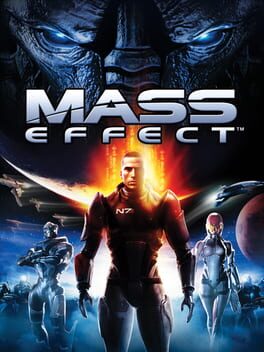
Electronic Arts’ abrupt decision to shutter BioWare last week sent shockwaves through a community that has, for over two decades, associated the studio with genre‑defining RPGs such as Mass Effect and Dragon Age. The closure not only terminates a pipeline of narrative‑driven experiences that have shaped console libraries worldwide, it also resurrects a long‑running debate about the sustainability of large‑scale development houses under the profit‑centric mandates of publicly traded publishers. BioWare’s legacy, built on ambitious storytelling, deep character systems, and a loyal fanbase spanning multiple console generations, now stands at risk of being reduced to a footnote in EA’s quarterly earnings calls.
Amid the industry turmoil, a prominent figure from Canada’s New Democratic Party has stepped into the fray, leveraging the BioWare episode as a cautionary tale about private‑equity‑driven consolidation in the gaming sector. The NDP leader’s call for federal assistance to enable former employees to repurchase the studio underscores a broader political narrative that positions cultural production as a public good, deserving of state‑backed safeguards. This intervention reflects Canada’s growing ambition to nurture home‑grown talent, echoing earlier initiatives that sought tax credits and infrastructure support for studios ranging from Ubisoft Montreal to the indie darling, Hades developer Supergiant Games.
What Happened?
The announcement unfolded during EA’s quarterly earnings webcast, where the company cited “strategic realignment” and “market pressures” as the rationale for winding down BioWare’s operations. Within minutes, the NDP leader released a statement condemning the influence of private equity firms that, according to the party, have increasingly infiltrated the upper echelons of gaming conglomerates, prioritising short‑term financial engineering over creative stewardship. The politician urged the federal government to allocate a special fund that would allow BioWare’s displaced talent to collectively purchase the studio’s intellectual property and assets, thereby preserving its cultural heritage and safeguarding jobs.
While the notion of a worker‑led buyout is not unprecedented—recalling the 2013 acquisition of the UK‑based studio Media Molecule’s parent by its own staff—the logistics remain daunting. The proposal would require not only a substantial infusion of capital but also a legal framework that can navigate cross‑border IP ownership, given that many of BioWare’s flagship franchises are tied to EA’s publishing contracts. Nonetheless, the public outcry on platforms such as Reddit, Twitter, and dedicated fan forums has amplified the conversation, with many developers echoing the sentiment that a community‑backed model could serve as a bulwark against future corporate volatility.
Analysis
From a market perspective, EA’s decision to close BioWare signals a tightening of the publisher’s portfolio, as it pivots towards live‑service models and mobile‑first titles that promise more predictable revenue streams. This shift mirrors a broader industry trend where legacy studios are either folded into larger development pipelines or spun off into independent entities that can operate with leaner budgets. The immediate financial impact on EA may be modest—a one‑time restructuring charge—yet the long‑term reputational cost could erode consumer trust, especially among a demographic that values narrative depth over episodic monetisation.
Competitively, the vacuum left by BioWare could be contested by emerging studios eager to fill the RPG niche, particularly those backed by regional incentives in Canada, Sweden, and Poland. However, the loss of BioWare’s seasoned talent pool could also exacerbate a talent drain, as seasoned designers and writers seek opportunities at studios that guarantee creative autonomy. The Canadian government’s potential involvement, if realised, would set a precedent for public‑private partnerships in the sector, potentially reshaping how intellectual property is protected and how studios are financed in the age of aggressive private‑equity acquisition.
XPLog Opinion
At XPLog UK we view the BioWare saga as a watershed moment that forces the industry to confront the unsustainable marriage of high‑budget development and short‑term shareholder expectations. The NDP’s proposal, while ambitious, highlights a growing appetite for alternative ownership structures that empower creators rather than marginalise them. If the federal support materialises, it could inspire a new wave of employee‑owned studios that prioritize artistic integrity, thereby recalibrating the balance of power between publishers and the very talent that fuels their success.
Final Thoughts
The closure of BioWare, coupled with a political push for a worker‑led rescue, underscores a pivotal crossroads for the gaming ecosystem: will the next decade be defined by consolidation under financial conglomerates, or will we witness a resurgence of creator‑centric models backed by public policy? Stakeholders should monitor forthcoming budget allocations from Ottawa, EA’s strategic roadmaps for 2027, and any formal proposals submitted by BioWare alumni, as these will shape the narrative of studio ownership for years to come.