
Overview
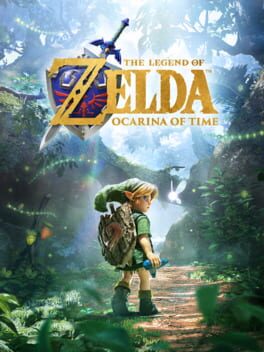
The release of The Legend of Zelda: Ocarina of Time in 1998 did more than redefine 3D action‑adventure; it planted a seed of musical curiosity that has quietly germinated across three decades of gaming culture. While the iconic on‑screen instrument was a pixel‑perfect abstraction, its simple three‑note mechanic sparked a generation of players to experiment with real‑world wind instruments, a phenomenon that has recently resurfaced amid the broader retro‑revival wave sweeping the industry. Today, developers, collectors, and streaming personalities are revisiting the ocarina not merely as a nostalgic prop but as a bridge between analog expression and digital interactivity, a trend that aligns with the market’s appetite for tangible, experiential gaming accessories.
Concurrently, the global market for entry‑level musical instruments has seen a modest yet steady rise, driven by online tutorials, TikTok challenges, and a post‑pandemic desire for hands‑on hobbies. The convergence of these forces—nostalgic gaming, the democratization of music education, and a consumer base hungry for hybrid experiences—creates a fertile backdrop for the kind of personal journey chronicled in the recent feature on NintendoLife. The piece, while intimate in tone, taps into a larger narrative about how legacy franchises can catalyze real‑world cultural practices, a pattern previously observed with titles like Guitar Hero and the subsequent surge in affordable guitar sales.
What Happened?
The author recounts a serendipitous encounter with a brick‑coloured, zig‑zag patterned ocarina purchased from a bohemian shop in Birmingham, an artifact that initially seemed more decorative than functional. This first foray sparked a curiosity that later led to a backpacking trip across China, where the writer discovered charcoal‑dark, pebble‑smooth pendant ocarinas that felt as though they were hewn from the earth itself. These tactile experiences, described in vivid sensory detail, illustrate how the physicality of the instrument can deepen the emotional resonance of a game that was originally experienced through a controller’s vibration.
Beyond the personal anecdote, the article highlights a growing community of “Ocarina of Mine” enthusiasts who are using the instrument to reinterpret classic Zelda melodies, livestream their practice sessions, and even develop fan‑made software that translates breath pressure into MIDI data for modern DAWs. This grassroots movement reflects a broader shift where players are no longer content with passive consumption; they are actively seeking ways to embody the music that once echoed from a virtual Hyrule field, thereby extending the game’s legacy into the realm of real‑world musicianship.
Analysis
From a market perspective, the resurgence of interest in low‑cost wind instruments dovetails with Nintendo’s strategic emphasis on family‑friendly, low‑entry‑barrier experiences. While Nintendo has historically shied away from direct hardware tie‑ins beyond the Wii Remote, the company’s recent forays into amiibo and Labo suggest a willingness to experiment with peripheral ecosystems that encourage physical interaction. Should Nintendo choose to officially endorse or collaborate on a line of beginner ocarinas, it could unlock a niche revenue stream comparable to the $1.2 billion generated by the Switch’s accessory market in its first three years.
Competitor dynamics also play a role: rhythm‑game franchises such as Beat Saber have demonstrated the commercial viability of marrying music with immersive hardware, while traditional music‑learning platforms like Yousician have leveraged gamified progress tracking to attract millions of users. The technical hurdle for any future Nintendo‑backed ocarina solution lies in translating nuanced breath control into a reliable digital signal—a challenge that recent advances in low‑latency audio processing and Bluetooth LE microphones are beginning to solve. If Nintendo can integrate these technologies seamlessly, it would set a new benchmark for how legacy titles can inspire contemporary, cross‑medium experiences.
XPLog Opinion
At XPLog UK, we view the burgeoning ocarina renaissance as a litmus test for Nintendo’s ability to convert cultural nostalgia into sustainable product ecosystems. The company’s strength has always been storytelling, and the story of the ocarina is now spilling out of the screen and into living rooms worldwide. By embracing this momentum—whether through official instrument bundles, in‑game breath‑controlled mechanics, or curated community events—Nintendo can reinforce its reputation as a catalyst for creative play while simultaneously tapping into a modest but growing market segment that values tactile, music‑driven interaction.
Final Thoughts
As the line between digital and analog continues to blur, the humble ocarina stands as a symbol of how a single game mechanic can inspire a multi‑generational cultural ripple. Players and developers alike should watch for Nintendo’s upcoming fiscal‑year announcements, where hints of a “musical accessories” roadmap may finally materialize, and for indie collaborations that could deliver the first truly integrated ocarina‑to‑Switch experience later in 2027.