
Overview
The ITV children’s programme Knightmare first aired in the early 1990s and quickly became a cultural touchstone for a generation of British gamers who grew up watching its neon‑lit dungeons and solving riddles alongside the on‑screen hero. Its blend of live‑action video, interactive puzzles and a charismatic host set a precedent for immersive entertainment long before the era of streaming and virtual reality, and the show’s legacy still echoes in modern escape‑room design and narrative‑driven indie titles.
In today’s market, where nostalgia‑driven revivals dominate both console and mobile storefronts, a free, officially licensed digital adaptation arrives at a moment when publishers are scrambling to monetize legacy IP without alienating core audiences. The decision to release the title as a point‑and‑click adventure—a genre that has quietly flourished on PC and handheld devices—signals a strategic pivot toward low‑barrier experiences that can capture both veteran fans and newcomers seeking a taste of retro British television culture.
What Happened?
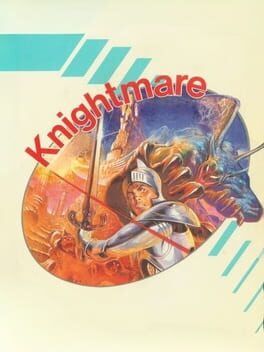
Earlier this month the developers behind the project announced that a brand‑new Knightmare adventure will launch next year, available at no cost across PC, Nintendo Switch, and major mobile platforms. The game will faithfully recreate the series’ signature labyrinthine challenges, allowing players to navigate a series of rooms, interact with a virtual “Dungeoneer” avatar, and solve riddles that echo the original show’s format. All assets, from the iconic skull‑shaped “Maidens” to the eerie ambient soundtrack, have been cleared through an official licensing agreement with ITV Studios, ensuring authenticity while sidestepping the legal quagmires that have plagued many fan‑made revivals.
According to a statement from the development studio, the team has consulted former producers and even the original host to capture the spirit of the show, while modernizing the interface for contemporary hardware. They emphasise that the adventure will retain the series’ educational underpinnings—puzzle logic, spatial reasoning, and teamwork—by incorporating optional co‑op modes that mirror the original team‑based gameplay. The project is slated for a staggered rollout, with an early access beta slated for Q1 2027 followed by a full launch in late 2027.
Analysis
From a market perspective, the free‑to‑play model coupled with a strong nostalgic hook positions the Knightmare title to generate significant organic traffic, especially on platforms where ad‑supported revenue streams are mature. By leveraging ITV’s brand equity, the game sidesteps the costly user‑acquisition campaigns that typically burden indie releases, instead relying on community word‑of‑mouth and legacy fan forums. Moreover, the decision to target both console and mobile ecosystems reflects a broader industry trend of cross‑platform releases that maximise reach without diluting the core experience.
Technical execution, however, presents its own set of challenges. Recreating the tactile feel of the original set within a point‑and‑click framework demands meticulous asset recreation and clever UI design to avoid the clunky feel that has plagued many retro‑inspired titles. Additionally, the need to balance puzzle difficulty for a diverse audience—ranging from children who watched the show in the 90s to adult gamers accustomed to sophisticated narrative mechanics—requires a layered difficulty system that can adapt in real time, a feature that could set a new benchmark for licensed adaptations.
XPLog Opinion
XPLog believes that Knightmare’s digital rebirth is more than a nostalgic cash‑grab; it represents a thoughtful attempt to bridge generational gaps in interactive storytelling, and if executed well, could reignite interest in a format that predates modern gaming yet still feels fresh when delivered with contemporary polish.
Final Thoughts
In sum, the upcoming free Knightmare adventure stands as a litmus test for how legacy television properties can be revitalised in the age of indie‑driven, cross‑platform gaming. Players should keep an eye on the Q1 2027 beta announcement for early access details, and monitor how ITV’s partnership model evolves as other broadcasters look to monetise their own back‑catalogues through similar low‑cost, high‑engagement experiences.