
Overview
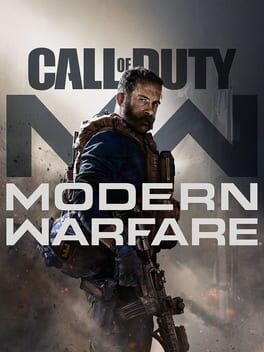
When Activision announced that Call of Duty: Modern Warfare 4 would finally make its way to Nintendo's next‑generation handheld, the gaming community erupted with a mixture of excitement and skepticism. The franchise, long synonymous with high‑fidelity, hardware‑intensive experiences on consoles and PC, had historically sidestepped the limitations of portable devices, making the prospect of a full‑scale Modern Warfare title on a battery‑powered platform feel like a bold, perhaps even reckless, experiment. Yet the rise of the Switch 2—promising a more powerful GPU, faster SSD storage, and an expanded memory envelope—has opened a narrow corridor where blockbuster shooters can plausibly thrive without sacrificing the series' signature gun‑play and visual fidelity.
That corridor, however, is not merely technical; it is also commercial. Nintendo's hybrid model has cultivated a massive install base that craves marquee third‑party releases, while Activision has been eager to tap into the lucrative mobile‑first demographic that the Switch ecosystem nurtures. In the broader industry, we are witnessing a convergence of high‑budget live‑service shooters and portable hardware, a trend that started with titles like Fortnite and Apex Legends finding a foothold on the original Switch. Modern Warfare 4’s arrival therefore represents both a culmination of that trend and a litmus test for how far developers can push the envelope before the balance between performance and portability tips unfavorably.
What Happened?
Late Thursday night, a silent but substantial patch for Modern Warfare 4 on the Switch 2 went live, prompting a wave of notifications across the console’s ecosystem. The update, clocking in at roughly 30 gigabytes, dwarfs the typical weekly hotfixes that most portable titles receive and aligns more closely with the massive content drops seen on the series’ console and PC branches. Early reports from the community indicate that the patch bundles a host of new multiplayer maps, a refreshed weapon balancing suite, and a suite of performance optimisations designed to bring frame‑rates closer to the 60 fps target that has long been a benchmark for the series on higher‑end hardware.
Activision has remained unusually tight‑lipped about the specifics, offering no official press release or developer commentary at the time of writing. Nonetheless, the sheer volume of data suggests a strategic push to align the Switch 2 experience with the broader Modern Warfare ecosystem, potentially synchronising seasonal content releases across all platforms. This move could also be a pre‑emptive strike against the growing expectations of players who now anticipate near‑instant updates and cross‑play parity, a standard that the franchise has cultivated through its aggressive live‑service model.
Analysis
The decision to ship a 30 GB patch to a handheld platform is a clear indicator that Activision is treating the Switch 2 not as a peripheral curiosity but as a first‑class node in its global network of servers. From a market perspective, this signals confidence that the console’s upgraded storage architecture can absorb such large data transfers without alienating its core user base, which has historically been wary of storage‑heavy titles. Moreover, the patch’s timing—just weeks after the console’s launch—suggests a coordinated effort to capitalize on the initial surge of hardware adopters, ensuring that early purchasers are presented with a content‑rich experience that mirrors the flagship releases on PlayStation 5 and Xbox Series X.
Technically, the patch likely leverages the Switch 2’s SSD to mitigate loading times that would have been prohibitive on the original Switch’s slower flash storage. This aligns with a broader industry shift where developers are re‑architecting legacy engines to exploit faster I/O pathways, a trend that has been evident in the recent generation of console updates across the board. However, the challenge remains: maintaining a stable 60 fps experience on a device that still operates within a thermally constrained envelope. If Activision can deliver a seamless experience, it could set a new performance baseline for future AAA shooters on portable hardware, forcing competitors to accelerate their own optimisation roadmaps.
XPLog Opinion
From XPLog’s standpoint, the 30 GB patch is less a nuisance and more a proclamation: the era of “portable‑only” indie titles is giving way to a genuine convergence where flagship franchises compete on equal footing across every screen. While the sheer download size may irk players with limited data caps or modest SSD capacities, the underlying message is clear—Activision is betting that the Switch 2’s audience is ready for, and indeed demands, the same depth of content that defines Modern Warfare on the big screens. If the update lives up to its promise, it will cement the Switch 2 as a legitimate battleground for live‑service shooters, compelling both publishers and hardware makers to rethink how they allocate resources for cross‑platform parity.
Final Thoughts
In the weeks ahead, the true impact of this massive patch will be measured by player retention metrics, server stability, and the community’s reception to the newly added content. Should the rollout prove smooth, Activision could set a precedent that encourages other heavyweight developers to pursue similar ambitions on the Switch 2, reshaping the portable gaming market into a more competitive arena for AAA experiences. Keep an eye on the upcoming seasonal update scheduled for early December, which is expected to further align the Switch 2’s Modern Warfare 4 with its console counterparts, and watch for any official statements from Activision that may clarify the long‑term roadmap for the title on Nintendo’s evolving hardware platform.