
Overview
When Nintendo unveiled Kirby: Return to Dream Land in 2011, it was more than a nostalgic revival; it was a strategic pivot that signaled the pink puffball’s transition from a side‑scroll curiosity into a flagship platformer capable of anchoring Nintendo’s handheld‑to‑home pipeline. The title arrived at a moment when Nintendo was wrestling with the aftershocks of the Wii’s meteoric rise and the looming uncertainty of its next‑generation hardware. By re‑energising a franchise that had, until then, enjoyed a steady but modest presence, Nintendo demonstrated an acute awareness of brand longevity and the commercial value of revitalising legacy IPs for new audiences.
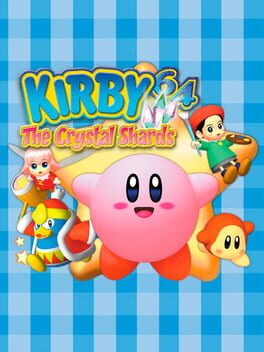
Historically, Kirby’s journey had been marked by incremental innovation rather than radical reinvention. From the 1992 debut on the Game Boy to the experimental 3‑D foray of Kirby 64: The Crystal Shards, the series had avoided the dark periods that plagued peers like Metroid or Zelda. Yet the early 2000s saw HAL Laboratory flirting with ambitious concepts—four‑player co‑op, a revived helper system, and a GameCube‑centric vision—that never materialised. The eventual release of Return to Dream Land can be read as the culmination of those shelved ideas, finally given the technical bandwidth of the Wii’s hybrid architecture and the market appetite for accessible, multiplayer‑friendly experiences.
What Happened?
At its core, Return to Dream Land re‑introduced the classic side‑scrolling formula while layering it with modern polish: vibrant HD visuals, refined physics, and a robust four‑player co‑op mode that allowed friends to share the spotlight as Kirby’s iconic allies. HAL Laboratory also resurrected the beloved helper mechanic from Kirby Super Star, granting each player a distinct ability that could be swapped on the fly, thereby deepening strategic depth without alienating newcomers. The game’s narrative, though straightforward—a rescue mission to save Dream Land’s inhabitants—served as a canvas for showcasing these gameplay innovations and underscored Nintendo’s commitment to delivering instantly gratifying yet technically sophisticated titles.
Behind the scenes, development was a marathon of iteration. After the lukewarm reception of the GameCube’s Kirby Air Ride, HAL shifted focus to a more universally appealing experience, leveraging the Wii’s motion controls to make the simple act of inhaling enemies feel tactile and satisfying. Marketing campaigns highlighted the multiplayer aspect, positioning the game as a family‑friendly centerpiece for living‑room sessions, a deliberate contrast to the more solitary experiences of contemporaneous platformers. The announcement at E3 2010, accompanied by a live demo, generated palpable excitement, translating into strong launch week sales that reaffirmed Kirby’s commercial viability.
Analysis
The commercial success of Return to Dream Land rippled through Nintendo’s broader ecosystem, reinforcing the strategic value of cross‑generational titles that can bridge handheld and console audiences. By delivering a product that felt both retro‑respectful and technically fresh, Nintendo capitalised on the growing retro‑gaming nostalgia while simultaneously showcasing the Wii’s capability to handle high‑quality 2D graphics—a niche often overlooked in favour of the console’s motion‑driven 3D showcase. This dual‑appeal forced competitors like Sony and Microsoft to reconsider the viability of 2D platformers in an era dominated by open‑world spectacles, prompting a subtle resurgence of indie‑driven side‑scrollers on their platforms.
From a development pipeline perspective, the title’s reliance on the helper system and cooperative play forced HAL Laboratory to refine its engine for seamless player synchronization, a technical hurdle that paid dividends in later releases such as Kirby: Triple Deluxe and Kirby Star Allies. Moreover, the game’s positive reception emboldened Nintendo to experiment further with multiplayer integration in traditionally single‑player franchises, evident in titles like Super Mario 3D World and Splatoon 2. The ripple effect extended to the licensing arena, where third‑party developers began to view Nintendo’s IPs as viable partners for co‑development, expanding the ecosystem’s collaborative potential.
XPLog Opinion
From XPLog’s standpoint, Return to Dream Land stands as a masterclass in strategic franchise rejuvenation; it proved that even the most seemingly whimsical mascots can be leveraged to drive hardware adoption and sustain market relevance when paired with thoughtful design and savvy multiplayer positioning. The title not only rescued Kirby from a potential stagnation but also set a template for how Nintendo can breathe new life into legacy series without compromising their core identity—a lesson that will undoubtedly echo as the company navigates the post‑Switch era.
Final Thoughts
Looking ahead, the legacy of Return to Dream Land continues to inform Nintendo’s roadmap, with upcoming titles poised to further integrate cooperative mechanics and high‑definition 2D artistry. As the industry watches the next wave of hardware announcements, the Kirby franchise’s resurgence serves as a reminder that well‑timed, player‑centric revivals can reshape a publisher’s fortunes and set enduring standards for franchise stewardship.