
Overview
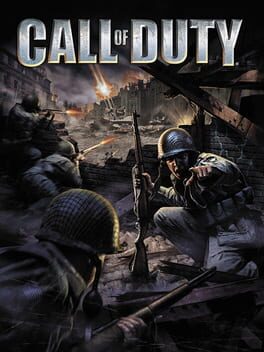
When the sky turns a relentless gray and the wind howls through city streets, the modern gamer often retreats to the one sanctuary that never fails to deliver adrenaline: the living‑room console. This weekend, a swath of players across the UK and beyond will likely echo that sentiment, swapping outdoor plans for the familiar clang of gunfire in the latest Call of Duty installment. The phenomenon of weather‑driven gaming spikes is not new—historical data from the Entertainment Software Association shows a measurable uptick in console usage during prolonged periods of inclement weather—but the confluence of a marquee franchise launch and a particularly miserable forecast creates a perfect storm for sales, engagement, and cultural conversation.
Modern Warfare 4 marks the seventh mainline entry in a series that has, since its 2007 rebirth, redefined the expectations of first‑person shooters on both hardware and business models. From the gritty realism of the original Modern Warfare to the battle‑royale expansion that birthed Warzone, the franchise has continually leveraged cutting‑edge engine upgrades, live‑service content pipelines, and aggressive multiplayer monetisation to stay atop the charts. Yet the series also bears the weight of franchise fatigue, a concern voiced by long‑time fans who have watched annual releases blur the line between evolution and iteration. This weekend’s launch, therefore, arrives at a critical juncture: it must satisfy veteran enthusiasts craving fresh tactical depth while also courting the broader, increasingly casual audience that now fuels the industry’s revenue streams.
What Happened?
Activision announced that Modern Warfare 4 will hit shelves on November 7, 2026, across PlayStation 5, Xbox Series X|S, and PC, with a cloud‑gaming rollout slated for the next quarter to capture the burgeoning subscription market. The title promises a fully reengineered version of the Infinity Ward‑crafted engine, boasting ray‑traced lighting, AI‑driven enemy behaviours, and a dynamic weather system that mirrors the very conditions keeping players indoors. Early gameplay showcases reveal a campaign that intertwines geopolitical intrigue with hyper‑realistic set‑pieces, while the multiplayer suite expands to include 12‑player “Squad Assault” modes, a revamped “Gun Game” progression, and an integrated Warzone‑style persistent map that blurs the line between traditional multiplayer and battle‑royale experiences.
In a live press briefing, senior producer Maya Patel highlighted the studio’s commitment to “player‑first” design, emphasizing that community feedback from the previous title’s beta heavily influenced the new class system and weapon customisation pathways. She also confirmed that the title will support cross‑play and cross‑progression from day one, a strategic move aimed at reducing platform fragmentation—a pain point that has historically hampered player retention in the shooter genre. Moreover, a post‑launch roadmap promises quarterly content drops, seasonal events, and a partnership with renowned composer Hans Zimmer for an adaptive score that reacts to in‑game actions, positioning Modern Warfare 4 as both a service and a narrative experience.
Analysis
The release of Modern Warfare 4 arrives at a moment when the shooter market is increasingly crowded, with titles like Battlefield 2042, Halo Infinite, and emerging esports‑centric franchises vying for the same core demographic. Activision’s decision to double‑down on a traditional, narrative‑driven campaign while simultaneously expanding the live‑service component reflects a calculated attempt to hedge against the volatility of player tastes. By offering a seamless cross‑play ecosystem, the publisher not only broadens its potential user base but also directly challenges Sony’s historically platform‑exclusive strategy, potentially accelerating the shift toward a more homogenised console ecosystem where hardware becomes less of a differentiator than subscription value.
From a technical standpoint, the promised engine overhaul introduces both opportunities and risks. While ray‑tracing and AI enhancements can elevate immersion, they also raise the bar for hardware optimisation, especially on older consoles that still dominate a sizable portion of the install base. Activision’s parallel investment in cloud streaming could mitigate this friction, yet it also places the title in the crosshairs of the ongoing bandwidth‑cost debate that has stalled several high‑profile launches in the past. Additionally, the aggressive monetisation model—featuring battle passes, cosmetic microtransactions, and a “pay‑to‑unlock” DLC pipeline—must walk a fine line to avoid alienating the very community that fuels its esports aspirations.
XPLog Opinion
From XPLog’s perspective, Modern Warfare 4 is less a simple sequel and more a litmus test for the sustainability of the blockbuster shooter formula in an era where player agency, ethical monetisation, and cross‑platform parity have become non‑negotiable expectations; success will hinge not only on raw sales numbers but on the studio’s ability to nurture a vibrant, inclusive community that feels heard and rewarded beyond the superficial sheen of high‑octane firefights.
Final Thoughts
As the first rain‑soaked weekend of the launch approaches, industry watchers will be scrutinising player engagement metrics, server stability reports, and early community sentiment to gauge whether Modern Warfare 4 can truly rewrite the playbook for AAA shooters. Keep an eye on the November 7 release, the subsequent quarterly content calendar, and the forthcoming Q1 2027 performance review, which together will reveal whether Activision has managed to turn a stormy weekend into a lasting thunderclap for the franchise and the broader console landscape.