
Overview
Microsoft’s aggressive “reset” of its Xbox publishing arm, announced by CEO Asha Sharma in early 2024, has sent shockwaves through the wider console ecosystem. The strategy, framed as a necessary consolidation to sharpen the company’s focus on cloud gaming, AI‑driven services, and a leaner portfolio of first‑party titles, has resulted in a wave of layoffs, studio restructurings, and the abrupt termination of several long‑running development pipelines. Within this turbulent backdrop, Arkane Lyon—a studio revered for pioneering the immersive‑simulation genre with Dishonored, Prey, and the critically lauded Deathloop—finds itself teetering on the brink of oblivion, its fate now hinging on a buyer before the looming November deadline.
Arkane’s predicament is emblematic of a broader industry tension: the clash between the financial rigor of mega‑consolidators and the creative ecosystems that thrive on experimental, risk‑heavy projects. Historically, studios that have survived similar upheavals—such as id Software under ZeniMax, or Naughty Dog after its acquisition by Sony—have done so by leveraging strong IP pipelines and a demonstrable track record of commercial success. Yet Arkane’s recent titles, while critically adored, have delivered modest sales figures relative to blockbuster franchises, leaving the studio vulnerable in a market increasingly driven by subscriber growth metrics and quarterly earnings reports.
What Happened?
In February 2024, internal memos leaked to the press revealed that Arkane Lyon was slated for a “strategic review” as part of the Xbox reset. The studio’s leadership was given a stark ultimatum: secure an external acquisition by November 2024 or face shuttering. Sources close to the negotiations reported that Microsoft has offered to retain the studio’s core talent pool under a “studio‑as‑service” model, but only if a third‑party publisher steps in to fund future projects and assume ownership of the IP portfolio. This approach mirrors Microsoft’s recent handling of Bethesda, where the parent company kept the development teams intact while transitioning publishing rights to external partners.
Arkane’s management has publicly emphasized the studio’s unique design philosophy—combining emergent gameplay systems, narrative depth, and player agency—as a “strategic asset” for any prospective buyer. The studio’s portfolio, including the still‑pending sequel to Deathloop and an unannounced immersive‑sim set in a cyber‑noir setting, is positioned as a potential anchor for publishers seeking to diversify beyond the dominant battle‑royale and live‑service models. Nevertheless, the narrow window for a sale introduces considerable risk: potential suitors must assess not only the immediate financial outlay but also the long‑term development cycles typical of Arkane’s craft, which can span five to seven years from concept to launch.
Analysis
The impending sale—or possible closure—of Arkane Lyon underscores a pivotal inflection point for the console market’s creative supply chain. Microsoft’s reset reflects a shift toward a “lean‑first” philosophy, where studios are evaluated against subscription‑based revenue contributions rather than pure unit sales. This recalibration pressures mid‑tier studios, which historically rely on critical acclaim and niche fanbases, to prove immediate profitability. Should Arkane secure a buyer, the acquisition could signal a resurgence of the immersive‑sim niche, potentially catalyzing a wave of similar studios being courted by publishers eager to differentiate their line‑ups from the homogeneous offerings of larger competitors.
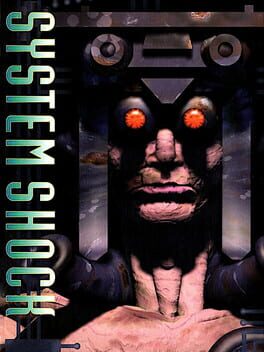
Conversely, a failure to find a buyer would have reverberating consequences for the broader ecosystem. Arkane’s talent pool includes veterans of the original System Shock and Thief franchises; dispersing these developers across the industry could dilute the concentrated expertise that has historically driven genre innovation. Moreover, the loss of Arkane would tighten Microsoft’s control over the few remaining immersive‑sim studios under its umbrella, potentially limiting the diversity of experiences available on Xbox Game Pass—a key pillar of Microsoft’s subscription strategy. Competitors like Sony and Nintendo may seize the moment to court displaced talent, intensifying the race for distinctive, narrative‑driven experiences that appeal to core gamers.
XPLog Opinion
At XPLog we view Arkane’s deadline as a litmus test for how far Microsoft is willing to go in reshaping its first‑party ecosystem. The company’s focus on scale and subscription growth is understandable, yet the decision to potentially sacrifice a studio whose DNA is synonymous with the very kind of deep, player‑centric design that fuels long‑term brand loyalty seems short‑sighted. A strategic acquisition by a publisher that respects Arkane’s creative autonomy could preserve a vital segment of the market and deliver the kind of genre‑defining titles that keep the console space vibrant. In the absence of such a deal, the industry risks losing not just a studio, but a beacon of innovative design that has inspired a generation of developers.
Final Thoughts
The November deadline looms as a decisive moment for Arkane Lyon and, by extension, the future of immersive simulation on consoles. Whether the studio finds a savior in a like‑minded publisher or becomes another casualty of the Xbox reset, the outcome will shape the strategic calculus of major platform holders and signal to developers how much creative risk the current market is willing to accommodate. Keep an eye on official statements from Microsoft, potential suitors such as Sony’s PlayStation Studios or independent publishers like Devolver, and any updates from Arkane’s leadership as the clock ticks down.