
Overview
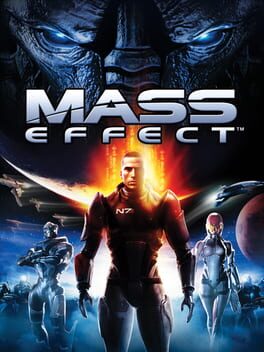
BioWare, the venerable studio behind genre‑defining RPGs such as Mass Effect and Dragon Age, has spent the last decade navigating an increasingly turbulent corporate landscape. After its 2020 acquisition by Electronic Arts, the studio has delivered a mixed slate of releases, from the critically lauded Mass Effect: Legendary Edition to the commercially disappointing Mass Effect: Andromeda. The acquisition was initially hailed as a lifeline that would provide the financial muscle to compete in a market dominated by megapublishers, yet the reality has been a series of cost‑cutting measures, talent churn, and a growing perception that EA’s profit‑first ethos is at odds with BioWare’s narrative‑driven DNA. This tension has been amplified by a broader industry shift toward independent studio buyouts, where creators seek to reclaim artistic control after years of corporate stewardship.
Against this backdrop, Canada’s political arena has begun to intersect with the gaming sector in unprecedented ways. The country, now home to a thriving ecosystem of studios ranging from Ubisoft Toronto to the indie darling Thunder Lotus, has started to view game development as a strategic cultural export worthy of federal support. Recent policy proposals have earmarked tax incentives and direct funding for studios that demonstrate “national significance,” echoing similar initiatives in Sweden and the United Kingdom that have successfully facilitated staff‑led buyouts. The current proposal, championed by a prominent Canadian party leader, taps into this momentum by urging that BioWare’s employees be granted the first right of purchase, bolstered by government backing, thereby preserving a Canadian‑originated creative powerhouse.
What Happened?
In a televised interview last week, the leader of the New Democratic Party (NDP) publicly advocated for a radical solution to BioWare’s uncertain future: the studio’s staff should be given the “first opportunity and federal support” to acquire the company from EA. The politician framed the proposal as both a moral imperative—protecting the livelihoods of hundreds of Canadian developers—and an economic strategy to retain high‑value intellectual property within the country’s borders. While the announcement was couched in political rhetoric, the underlying message was clear: a staff‑led buyout, underwritten by a government loan or grant, could stave off the specter of a shutdown and keep the studio’s flagship franchises alive.
EA’s response has been measured but unmistakably cautious. In a corporate filing ahead of its Q3 earnings, the publisher acknowledged the “ongoing discussions” surrounding BioWare’s operational future, emphasizing a commitment to “maximizing shareholder value while exploring all viable pathways.” Analysts have noted that EA’s recent earnings have been buoyed by live‑service titles, yet its legacy studio portfolio has underperformed relative to expectations. The possibility of divesting BioWare—especially if a staff consortium can secure financing—could free up capital for EA to double‑down on its most profitable franchises, but it also risks alienating a dedicated fanbase that associates the BioWare brand with deep storytelling and player agency.
Analysis
The market implications of a staff‑led acquisition are multifaceted. On one hand, it would signal a rare victory for creator‑centric ownership models in an era where consolidation is the norm. A successful buyout could inspire similar movements among other studios feeling the pressure of “triple‑A” budget escalations, potentially reshaping the competitive dynamics between console manufacturers. Xbox, which has been aggressively courting exclusive content for its Game Pass ecosystem, might view a newly independent BioWare as a valuable partner, especially if the studio continues to develop narrative‑heavy titles that differentiate the service from PlayStation’s first‑party lineup. Conversely, EA could leverage the divestiture to streamline its portfolio, focusing resources on live‑service ecosystems that deliver recurring revenue, thereby accelerating a broader industry trend away from single‑player, story‑driven experiences.
From a feasibility standpoint, the financial scaffolding required for a staff buyout is daunting. BioWare’s valuation, influenced by its IP library and ongoing development contracts, likely sits in the high‑hundreds of millions of dollars. Securing a government loan or grant would necessitate a robust business plan demonstrating sustainable revenue streams post‑acquisition—a challenge given the high development costs of modern RPGs. However, precedents exist: in 2021, Sweden’s government facilitated a partial buyout of Remedy Entertainment, and the UK’s “Games Fund” has historically underwritten studio expansions. Should the Canadian federal apparatus commit comparable resources, the deal could become a blueprint for preserving culturally significant studios, while also cementing Canada’s reputation as a supportive hub for high‑caliber game development.
XPLog Opinion
At XPLog UK we view the NDP’s proposal as a bold, if politically expedient, maneuver that could reshape the balance of power between developers and megacorporations. Empowering BioWare’s staff to take the reins aligns with the growing sentiment among core gamers that authentic, narrative‑driven experiences are best shepherded by creators who live and breathe the worlds they build. While government involvement carries the risk of bureaucratic entanglement, the potential upside—a revitalized BioWare operating free from EA’s profit‑centric constraints—outweighs the uncertainties. We urge stakeholders to treat this moment not merely as a rescue operation, but as a catalyst for a more diversified, creator‑first industry landscape.
Final Thoughts
The coming months will be decisive. EA’s next earnings release, scheduled for early December, is expected to shed light on whether the publisher will entertain a formal divestiture, while the Canadian federal budget slated for February may reveal the extent of public funding earmarked for such high‑profile acquisitions. For players, the stakes are clear: a successful staff buyout could guarantee the continuation of BioWare’s beloved franchises, whereas a failure may consign the studio to the annals of gaming history. Keep an eye on EA’s strategic briefings, the NDP’s legislative motions, and any emerging financing consortiums—each will be a bellwether for the future of one of the industry’s most iconic development houses.