
Overview
When Nintendo of America unveiled its "Screaming Deals" promotion earlier in the week, the ripple effect across the global market was almost inevitable. The North American discount frenzy, which slashed prices on flagship franchises and indie gems alike, acted as a catalyst for the European branch to roll out its own seasonal bonanza – the much‑anticipated "Halloween Sale". This event, timed to coincide with the autumn holiday period and the traditional consumer surge around All Hallows' Eve, is not merely a collection of price cuts; it is a strategic maneuver that reflects Nintendo's broader effort to sustain Switch sales momentum as the hardware approaches the twilight of its current life cycle.
From a macro‑economic perspective, the timing aligns with a confluence of market forces: the lingering supply‑chain disruptions that have throttled new console shipments, the rising competition from Sony's PlayStation 5 and Microsoft's Xbox Series X|S, and the burgeoning appetite for affordable, high‑quality digital experiences among European gamers. By curating a list of 61 titles that all earned a 9/10 or higher rating from XPLog's own editorial team, Nintendo is signaling that the Switch ecosystem remains fertile ground for premium content, even as the platform ages. The sale therefore serves a dual purpose – it rewards loyal fans with tangible savings while simultaneously expanding the install base by lowering the barrier to entry for newcomers who may have been hesitant to invest in a console perceived as nearing obsolescence.
What Happened?
The European Halloween Sale officially launched on October 24th and will run until November 1st, offering deep discounts on a curated selection of first‑party, second‑party, and acclaimed indie titles. Among the highlighted offerings are perennial favorites such as "The Legend of Zelda: Link's Awakening" and "Super Mario 3D World + Bowser's Fury," both slashed to near‑budget price points, as well as critically lauded indie showcases like "Hades," "Celeste," and "Octopath Traveler II," each receiving a discount ranging from 30% to 60%. Nintendo's promotional materials emphasize that every game on the list achieved a 9/10 rating or higher in XPLog's internal review system, underscoring a quality‑first approach that differentiates this sale from generic discount events.
In addition to the headline discounts, Nintendo has introduced a handful of bundled offers that pair complementary titles, effectively creating value propositions that echo the classic "Nintendo Selects" strategy from the Wii era. For example, the "Adventure Pack" bundles "Metroid Dread" with "Fire Emblem: Three Houses," while the "Family Fun Bundle" couples "Mario Kart 8 Deluxe" with "Super Smash Bros. Ultimate." These bundles are designed to maximize average revenue per user (ARPU) by encouraging players to purchase multiple high‑engagement titles in a single transaction, thereby deepening their investment in the Switch ecosystem.
Analysis
From an industry analyst standpoint, the Halloween Sale illustrates Nintendo's adaptive pricing elasticity in a market where console generations are extending beyond traditional two‑year cycles. By leveraging a well‑curated discount slate, Nintendo can stimulate incremental sales without eroding the perceived value of its premium catalog. The sale also acts as a defensive bulwark against the encroaching subscription models championed by competitors; while Xbox Game Pass and PlayStation Plus continue to aggregate large libraries under a recurring fee, Nintendo's approach banks on the longevity of individual titles and the collector mentality that remains strong among its core demographic.
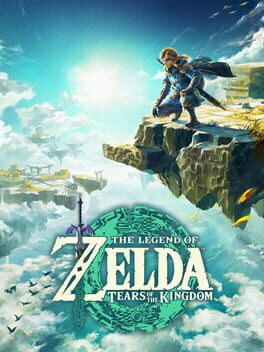
Technical considerations further amplify the sale's impact. The Switch's hybrid architecture, which blends handheld portability with docked console performance, has cultivated a unique user base that values on‑the‑go accessibility. Discounting high‑profile titles that showcase the system's capabilities—especially graphically intensive games like "The Legend of Zelda: Tears of the Kingdom" (still at full price) that remain aspirational—creates a halo effect, driving traffic to the eShop and increasing visibility for the discounted titles. Moreover, the sale's limited‑time nature generates a sense of urgency that can translate into higher conversion rates, a tactic that aligns with proven e‑commerce psychology.
XPLog Opinion
At XPLog UK, we view the European Halloween Sale as a decisive statement that Nintendo is not content to rest on the laurels of its early‑Switch success; instead, it is proactively engineering a sustainable revenue stream that balances discount-driven volume with the preservation of its premium brand ethos. By anchoring the promotion around top‑rated games and thoughtfully constructed bundles, Nintendo demonstrates an acute awareness of its audience's desire for both quality and value—a combination that will likely keep the Switch relevant well into the next console generation, especially as developers continue to push the hardware's limits through clever optimization and innovative design.
Final Thoughts
In sum, the Halloween Sale is more than a seasonal price cut; it is a calculated maneuver that reinforces Nintendo's market position, fuels ecosystem growth, and offers European gamers a compelling entry point into the Switch's ever‑expanding library. As the sale winds down on November 1st, the true measure of its success will be reflected in the subsequent uptick in hardware sales, the longevity of discounted titles in player libraries, and the degree to which the promotion influences competitor discount strategies in the run‑up to the holiday season.