
Overview
Every autumn, the gaming industry rolls out a cascade of seasonal promotions designed to capture the attention of both casual shoppers and the hardcore collector. Xbox’s latest Shocktober Sale is no exception, but it arrives at a moment when the console war has entered a more nuanced phase: subscription services, cross‑play, and a resurgence of genre‑specific nostalgia are all vying for the same slice of consumer spend. By positioning a bundle of horror‑themed titles at rock‑bottom prices, Microsoft is not merely chasing short‑term revenue; it is testing the elasticity of its ecosystem, probing how price‑sensitivity intersects with brand loyalty across the Xbox brand, the Windows PC market, and the ever‑expanding Game Pass catalogue.
The timing of the sale also dovetails with a broader industry renaissance of horror games, a genre that has seen a dramatic uplift since the success of titles like Resident Evil 7 and the critically lauded Alan Wake series. Players have demonstrated a willingness to invest heavily in atmospheric, narrative‑driven experiences, and developers have responded with richer, more immersive worlds that leverage next‑gen hardware. Within this context, a discount‑driven push that includes legacy entries such as Resident Evil Requiem alongside newer scares like Phasmophobia signals that Microsoft is keen to cement its reputation as the go‑to platform for both nostalgic haunts and cutting‑edge fright‑fests.
What Happened?
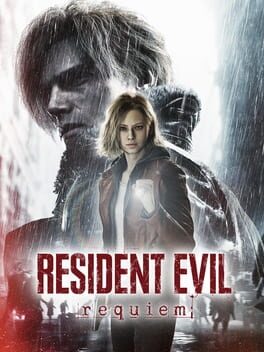
The Shocktober Sale, launched in early October, slashes prices on over twenty‑five titles, with discounts ranging from a modest 30 % to a jaw‑dropping 80 % off MSRP. The roster is a curated mish‑mash of spooky offerings: the re‑imagined Resident Evil Requiem, the long‑awaited Alan Wake 2, the multiplayer terror of Phasmophobia, and the indie‑crafted Cronos: The New Dawn, among others. Microsoft’s promotional graphics lean heavily into Halloween iconography—blood‑splattered lettering, flickering lanterns, and the tongue‑in‑cheek tagline “Shocktober”—to create a thematic cohesion that feels more like a cultural event than a simple discount window.
In developer statements released alongside the sale, Xbox Studios highlighted the dual purpose of the promotion: to reward long‑standing fans who have followed these franchises from the early 2000s, and to lower the barrier of entry for newcomers who may have been deterred by the premium pricing of flagship horror titles. The company also hinted at a strategic alignment with its Game Pass service, noting that several of the discounted games will soon rotate onto the subscription roster, effectively turning a one‑time discount into a longer‑term value proposition for subscribers.
Analysis
From a market performance perspective, the Shocktober Sale functions as a micro‑economic experiment in price elasticity for premium IPs. Historically, deep discounts on legacy titles have spurred spikes in unit sales but often at the expense of perceived value for newer releases. By pairing established franchises with fresh entries, Xbox attempts to balance immediate revenue uplift with sustained engagement. Competitors such as Sony’s PlayStation Store have responded in kind with their own “Haunted Horizons” discounts, suggesting that the horror‑themed sale has become a seasonal battleground where each platform vies for the attention of a genre‑enthusiastic audience that is also highly price‑sensitive.
Looking ahead, the implications for Xbox’s broader ecosystem are significant. The discount funnel feeds directly into Game Pass acquisition, as players who purchase a title at a reduced price are more likely to explore the subscription model for additional content. Moreover, the promotional focus on horror aligns with Microsoft’s recent investment in narrative‑driven studios, reinforcing a strategic narrative that positions Xbox not just as a hardware powerhouse but as a curator of experiential storytelling. If the sale succeeds in converting discount‑driven purchasers into long‑term subscribers, it could accelerate the shift away from pure transactional sales toward a hybrid model that blends ownership with subscription‑based access.
XPLog Opinion
At XPLog UK we view the Shocktober Sale as a calculated strike that does more than clear inventory; it is a statement of intent. Microsoft is signalling that it understands the cultural weight of horror in gaming and is leveraging that to deepen its ecosystem lock‑in. While the discounts are undeniably generous, the real win for Xbox will be measured in how many of these bargain hunters transition to Game Pass, thereby extending their lifetime value. In an era where console manufacturers are racing to build the most sticky subscription services, a well‑timed, genre‑focused sale like Shocktober could be the catalyst that tips the scales in Microsoft’s favour.
Final Thoughts
In sum, Xbox’s Shocktober Sale is a multifaceted maneuver that intertwines immediate sales incentives with a longer‑term vision for ecosystem growth. By bundling classic horror staples with contemporary scares and weaving them into the fabric of Game Pass, Microsoft not only capitalizes on seasonal consumer behaviour but also plants seeds for sustained engagement. Players should keep an eye on the upcoming October 31st deadline for the deepest discounts, and monitor the subsequent Game Pass rotation schedule in November, which will reveal just how effectively the sale translates fleeting bargain hunting into lasting platform loyalty.