
Overview
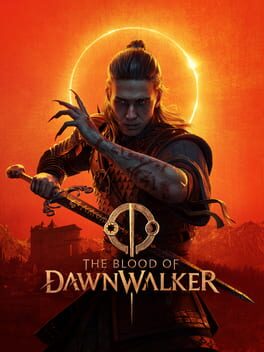
The Blood of Dawnwalker entered the market amid a wave of anticipation, positioned as one of the year’s flagship action‑RPGs. Its ambitious scope—a sprawling open world, deep combat systems, and a narrative steeped in mythic folklore—promised to capture both hardcore and casual audiences. However, the launch window was marred by a series of technical hiccups, most notably inconsistent frame rates on next‑gen consoles and a combat feel that felt at times unforgiving for newcomers. The initial reception, while praising the game’s artistic direction and storytelling, was tempered by a chorus of player feedback calling for smoother performance and more forgiving difficulty options.
In the months that followed, Rebel Wolves, a studio forged from veterans of The Witcher franchise, demonstrated a willingness to listen, iterating on the core experience based on community data. Their decision to prioritize a post‑launch update reflects a broader industry shift where live‑service mindsets and player‑centric development cycles have become the norm for AAA titles. As the console ecosystem continues to mature—PlayStation 5 and Xbox Series X|S now boasting robust hardware pipelines—the expectation is that developers will harness that power to deliver consistent 60 fps experiences, especially for titles that market themselves on visceral combat. Patch 1.1 arrives at this crossroads, promising not only technical refinement but also a suite of quality‑of‑life enhancements that could redefine how the game is approached by its diverse player base.
What Happened?
On the day of the announcement, Rebel Wolves released a comprehensive trailer that highlighted a range of combat‑centric tweaks. Targeting algorithms have been overhauled, resulting in more reliable lock‑on behavior, while animation transitions have been smoothed to reduce the jarring feel that plagued earlier encounters. The camera system, a frequent point of criticism, now offers a less restrictive field of view, granting players greater freedom to survey battlefields and plan maneuvers. Additionally, the health pools of staple enemies such as wolves and boars have been trimmed, addressing the issue of these foes remaining disproportionately tanky even in later stages of the adventure.
Beyond the battlefield, the update introduces a new “Forgiving” difficulty—rebranded from the former Story mode—while the classic Story setting has been upgraded with additional combat assists, effectively creating a tiered difficulty ladder that caters to both veterans and newcomers. A notable addition is the “Daughter of Mind Rebirth” potion, which allows players to respec their skill trees without penalty, encouraging experimentation and longer-term engagement. Subtitles can now be enlarged, a subtle yet vital accessibility improvement, and for the first time, players can interact with companion animals—petting dogs and cats—adding a layer of immersion that resonates with the game’s world‑building ambitions. Finally, the Shadowstep and Planeshift teleportation mechanics have been fine‑tuned, promising more reliable rooftop traversal and reduced mis‑placements that previously frustrated speed‑run attempts.
Analysis
The timing of Patch 1.1 is strategically significant. By addressing performance bottlenecks on the PlayStation 5, Rebel Wolves not only mitigates the risk of negative word‑of‑mouth but also aligns the title with the hardware capabilities that early adopters expect. In a market where titles like Elden Ring and Horizon Forbidden West set high benchmarks for frame‑rate stability, failing to meet those standards can erode market share rapidly. Moreover, the introduction of a more granular difficulty system mirrors a broader industry trend toward inclusivity, acknowledging that the modern gamer demographic spans a wide skill spectrum. This move could broaden the game’s appeal, potentially extending its sales tail well beyond the typical launch window.
From a competitive standpoint, the patch also serves as a defensive maneuver against upcoming releases from rival studios that will vie for the same core‑gamer audience. By delivering tangible improvements and fresh content, Rebel Wolves signals that The Blood of Dawnwalker remains a living product, capable of evolving alongside its peers. The respec potion, in particular, addresses a long‑standing pain point in RPG design—character lock‑in—thereby reducing the barrier for players who may have felt constrained by early build choices. This flexibility not only enhances replay value but also dovetails with the growing expectation of player agency in live‑service ecosystems.
XPLog Opinion
At XPLog UK we view Patch 1.1 as a decisive moment for Rebel Wolves; it demonstrates that the studio is not content to rest on a shaky launch but is actively reshaping the experience to meet the high standards set by today’s AAA landscape. The blend of technical polish, accessibility upgrades, and player‑focused systems suggests a maturing development philosophy that could translate into stronger brand loyalty and a healthier post‑launch revenue stream through DLC and expansion packs.
Final Thoughts
In sum, the Dawnwalker 1.1 update marks a pivotal step toward fulfilling the game’s original promise—a richly crafted world that runs smoothly and welcomes players of all skill levels. As Rebel Wolves continues to refine the title, the community will be watching for further patches, seasonal content, and perhaps a roadmap that outlines long‑term support. Keep an eye on the studio’s announcements in the coming months; the next wave of updates could cement The Blood of Dawnwalker’s place as a benchmark for post‑launch stewardship in the action‑RPG genre.