
Overview
When Sony announced Marvel’s Wolverine in early 2024, the gaming world expected another solid entry in the studio’s celebrated partnership with Marvel, but few could have foreseen the seismic shift it would cause in the console’s sales trajectory. Insomniac Games, fresh off the critical and commercial triumph of Spider‑Man 2, leveraged its deep familiarity with the Marvel universe to craft a title that not only appealed to comic‑book aficionados but also to the broader PS5 install base hungry for next‑gen experiences that blend narrative weight with technical virtuosity.
The timing of the launch dovetailed with a period of intense competition: Microsoft’s Xbox Series X|S continued to push its Game Pass ecosystem, while Nintendo’s Switch maintained a dominant position in the family market. Sony, meanwhile, was seeking to reaffirm its premium‑first‑party identity after a year of mixed performance from titles that did not quite capture the cultural zeitgeist. Wolverine’s debut arrived as the first major exclusive of the fiscal year, and its immediate dominance on the PlayStation Store charts—topping North America’s September sales and securing a runner‑up spot in Europe—signaled a resurgence of the console’s relevance in a market increasingly fragmented by subscription models and cross‑platform releases.
What Happened?
Marvel’s Wolverine launched exclusively on the PS5 on September 7, 2024, and within days it vaulted to the top of the PlayStation Store’s sales leaderboard in North America, while holding the second position across European territories. Data supplied by Sony’s internal analytics and third‑party firm Circana confirmed that the title generated upwards of 1.2 million digital purchases in its opening week, eclipsing the launch figures of most PlayStation exclusives in the past three years, and rivaling the historic debut of Helldivers 2, which held the record for Sony’s biggest launch since 2022.
The game’s success is attributable to several converging factors: a meticulously timed marketing campaign that leveraged the popularity of the Wolverine character across film, television, and comic media; the promise of a fully realized open‑world experience that pushed the PS5’s SSD and ray‑tracing capabilities; and a strategic pricing model that bundled the game with a limited‑edition console bundle, driving hardware sales alongside software uptake. Insomniac’s CEO, Ted Price, highlighted in a post‑launch interview that the development team adopted a “player‑first” philosophy, iterating on combat mechanics and narrative pacing based on early feedback from a closed beta, a practice that has become increasingly common among AAA studios seeking to mitigate risk.
Analysis
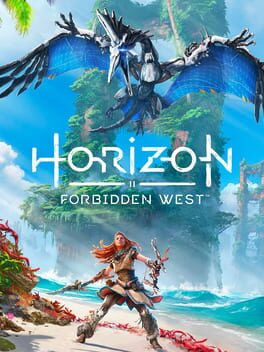
The commercial performance of Wolverine reshapes the calculus for Sony’s first‑party roadmap. Historically, Sony’s biggest launch titles—such as God of War Ragnarök and Horizon Forbidden West—have acted as catalysts for hardware refresh cycles, prompting spikes in PS5 demand that spill over into the broader ecosystem. Wolverine’s achievement suggests that the superhero genre, when executed with the pedigree of a studio like Insomniac, can serve a similar function, reinforcing the console’s premium positioning against the backdrop of Microsoft’s aggressive acquisition strategy and its emphasis on platform‑agnostic services. Moreover, the title’s digital‑only dominance underscores a broader industry shift: consumers are increasingly gravitating toward instant access, diminishing the relevance of physical retail, a trend that could reshape supply chain logistics and publisher revenue models for years to come.
From a competitive standpoint, the launch also forces rivals to reevaluate their own exclusive strategies. Xbox’s focus on Game Pass subscriptions has delivered consistent engagement metrics, yet it lacks a singular, narrative‑driven flagship that can command the same cultural conversation as Wolverine. Nintendo, meanwhile, continues to thrive on family‑friendly experiences, but the mature, gritty tone of Wolverine expands the demographic reach of the PS5 into the adult superhero niche—a segment that has historically been under‑served on console platforms. The ripple effect may accelerate Microsoft’s push to secure more narrative‑heavy IPs, while also prompting Sony to double down on its synergy with Marvel, potentially paving the way for future exclusives that explore other iconic characters.
XPLog Opinion
At XPLog UK we view Wolverine’s breakout launch as a decisive statement that Sony’s investment in high‑quality, narrative‑centric exclusives remains the most reliable engine for platform loyalty in an era where subscription services threaten to homogenise the market. The title not only reaffirms Insomniac’s status as a premier developer but also demonstrates that a well‑timed, genre‑specific blockbuster can still move the needle on hardware sales, a lesson that should inform both Sony’s future publishing contracts and the broader industry’s approach to IP exploitation.
Final Thoughts
Looking ahead, the momentum generated by Marvel’s Wolverine will likely influence Sony’s FY25 roadmap, with expectations of follow‑up content, seasonal updates, and perhaps a multiplayer spin‑off that could further entrench the title within the PS5’s ecosystem. Stakeholders should keep an eye on quarterly earnings reports for signs of sustained digital revenue, as well as upcoming announcements at the PlayStation Showcase later this year, where Sony may unveil the next chapter of its Marvel partnership—potentially a new hero or a cross‑title event that could cement its dominance in the premium console space for the foreseeable future.