
Overview
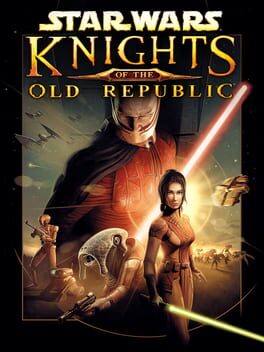
When BioWare first emerged in the late 1990s, its pioneering narrative design and deep role‑playing mechanics reshaped what gamers expected from interactive storytelling. Titles such as Neverwinter Nights, Star Wars: Knights of the Old Republic, and the Mass Effect trilogy not only cemented the studio’s reputation for crafting sprawling, choice‑driven universes, they also demonstrated how a developer could marry cinematic ambition with player agency. Over the past two decades, BioWare has weathered multiple corporate acquisitions, most notably its 2007 purchase by Electronic Arts, and has survived the shifting tides of console generations, subscription services, and the rise of live‑ops models, all while retaining a fiercely loyal fanbase that regards the studio as a cultural touchstone for the RPG genre.
Yet the broader industry context in which BioWare operates has become increasingly unforgiving. Consolidation among major publishers, the relentless pressure to deliver blockbuster‑level revenue, and the growing emphasis on quarterly earnings have turned even storied studios into cost‑centered assets. The past few years have seen a wave of high‑profile studio closures and mass layoffs—from Infinity Ward’s downsizing to the shuttering of studios behind beloved franchises—signalling a systemic shift where financial metrics often outweigh creative heritage. In this climate, the sudden announcement that BioWare would cease operations overnight is not merely a corporate footnote; it is a stark indicator of how legacy can be eclipsed by short‑term fiscal calculus.
What Happened?
Late last night, Electronic Arts issued an internal memorandum confirming that BioWare would be dissolved effective immediately, citing “strategic realignment” and “the need to streamline development pipelines” as the primary drivers. The notice, which was circulated to all staff before any public statement, indicated that roughly 800 employees across Edmonton, Austin, and the newly opened Montreal hub would be laid off, with severance packages aligned to EA’s standard policy. No specific titles were named as being cancelled, but insiders suggest that several unannounced projects—rumoured to be the next entries in the Dragon Age and Mass Effect series—were already deep in pre‑production, leaving their futures uncertain at best.
The reaction from the wider games community was immediate and visceral. Industry veterans, former BioWare alumni, and journalists took to social media to lament the loss, with many invoking the studio’s historic role in defining narrative depth. Notable figures from rival studios publicly praised BioWare’s contributions, while union representatives warned that the closure could set a precedent for future “quiet shutdowns” that bypass public scrutiny. Moreover, the announcement has ignited speculation about the fate of BioWare’s intellectual property; although EA retains the IP rights, the lack of an in‑house development team raises questions about whether the franchises will be handed off, rebooted by external partners, or consigned to dormancy.
Analysis
From a market performance standpoint, EA’s decision reflects a broader recalibration towards high‑margin live services and mobile‑first titles, sectors where BioWare’s traditional single‑player, narrative‑heavy games have historically underperformed relative to expectations. The studio’s recent releases—most notably the contentious launch of Mass Effect: Andromeda and the mixed reception of Dragon Age: Inquisition post‑launch—failed to achieve the commercial benchmarks set by EA’s flagship franchises such as FIFA or Apex Legends. Consequently, the cost‑benefit analysis likely concluded that maintaining a large, talent‑intensive studio without a guaranteed blockbuster pipeline was untenable, especially as investors demand ever‑faster ROI cycles.
Competitively, BioWare’s dissolution reshapes the RPG ecosystem in several ways. First, it creates a talent vacuum that could benefit emerging studios eager to capture the expertise of veteran designers, writers, and engineers. Historically, we have seen similar migrations fuel the rise of boutique RPG creators, as with the formation of Obsidian after its own layoffs. Second, the loss of an internal development hub may accelerate EA’s strategy of licensing its IPs to external partners, a model that has proved profitable for franchises like Star Wars (handed to Respawn) and Battlefield (outsourced to DICE). Finally, console manufacturers—particularly Sony and Microsoft—could view the gap left by BioWare as an opportunity to court exclusive deals with other narrative‑driven studios, reinforcing the ongoing “exclusive wars” that dominate the current console generation.
XPLog Opinion
At XPLog UK we see BioWare’s abrupt closure as a cautionary tale about the perils of allowing short‑term financial imperatives to eclipse cultural stewardship. While EA’s balance sheets may benefit from a leaner portfolio, the long‑term health of the RPG genre suffers when a studio that set the benchmark for story‑driven experiences is removed from the development landscape. The industry must grapple with the reality that preserving creative legacies requires more than just occasional hit releases; it demands sustained investment, transparent communication, and a willingness to accept that not every title will be a multi‑million‑unit blockbuster. Without such a commitment, the next generation of narrative‑rich games risks being relegated to the margins of a market dominated by live‑service shooters and micro‑transaction‑heavy titles.
Final Thoughts
BioWare’s sudden end marks a pivotal moment for both developers and players, underscoring the fragile balance between artistic ambition and corporate profitability. As the community watches for EA’s next move—whether that be a strategic partnership, a reboot under a new banner, or the quiet shelving of beloved IPs—the industry will be forced to reckon with how it values the studios that have historically defined entire genres. Keep an eye on EA’s upcoming earnings call in early November and any statements regarding the stewardship of the Mass Effect and Dragon Age franchises, as those will offer the first concrete clues about the long‑term trajectory of narrative RPGs in a rapidly consolidating market.