
Overview
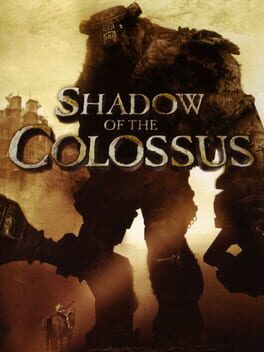
When Fumito Ueda first unveiled Shadow of the Colossus on the PlayStation 2 in 2005, the industry witnessed a paradigm shift: a minimalist narrative, colossal adversaries, and a hauntingly beautiful world that redefined what a video game could feel like. Its austere design philosophy rippled through subsequent generations, influencing titles from Journey to The Last of Us, and cementing the game as an academic case study in interactive storytelling. Over the past decade, the appetite for revisiting such seminal works has grown, prompting studios like Bluepoint Games to specialize in meticulous remasters that marry nostalgia with modern technical standards.
In the current climate, where subscription services dominate discourse and the average consumer’s wallet is stretched across multiple entertainment subscriptions, a price tag lower than a specialty coffee is more than a curiosity—it is a litmus test for PlayStation’s willingness to leverage legacy content as a gateway for new and returning players. The discount, which slashes the US price to $4.99 and the UK price to £3.59, arrives without the prerequisite of a PlayStation Plus membership, thereby widening accessibility and underscoring Sony’s strategic pivot toward value‑driven acquisition rather than pure subscription lock‑in.
What Happened?
Earlier this week Sony’s digital storefront announced a limited‑time reduction on the PlayStation 4 remake of Shadow of the Colossus, a title painstakingly rebuilt by Bluepoint Games. The promotion represents a 75 % discount in the United States and an even steeper 88 % cut in the United Kingdom, positioning the game at a price point that undercuts many indie releases and rivals the cost of a single cup of artisanal espresso. The deal is available directly through the PlayStation Store, requires no PlayStation Plus subscription, and is set to expire at the end of the month, creating a sense of urgency among both long‑time fans and newcomers alike.
Beyond the price, the remake itself is a showcase of Bluepoint’s technical prowess: fully rendered 4K textures, a stable 60 frames‑per‑second performance, and a re‑engineered control scheme that respects the original’s deliberate pacing while delivering modern responsiveness. In a recent developer interview, Bluepoint’s studio head emphasized that the team worked closely with Ueda’s original design documents to preserve the emotional weight of each encounter, a commitment that has resonated with critics who continue to hail the remake as a benchmark for how classic titles should be revitalised for contemporary hardware.
Analysis
The aggressive discount aligns with Sony’s broader fiscal strategy of monetising its extensive back‑catalogue ahead of the next console generation’s full‑scale rollout. By offering a flagship title at a near‑cost price, Sony stimulates traffic to the PlayStation Store, potentially cross‑selling other PS4 and PS5 titles, while also reinforcing the PlayStation ecosystem’s perceived value proposition against rivals such as Xbox Game Pass, which leans heavily on subscription breadth rather than individual purchase incentives. Early sales data from similar promotions suggest a price elasticity that can double or triple unit movement, a boon for Sony’s digital revenue streams in a market where physical sales are in steady decline.
From a competitive standpoint, the move mirrors industry‑wide price‑war tactics observed on Steam’s seasonal sales and Nintendo’s periodic “Deal of the Week” offerings. However, Sony’s decision to keep the discount exclusive to the digital storefront—without bundling it into a subscription tier—signals a nuanced approach: preserving the premium aura of its flagship franchises while still rewarding price‑sensitive consumers. This could set a precedent for future deep‑discount events on other legacy gems, encouraging developers to invest in remaster projects knowing there is a viable commercial runway even after the initial launch window has closed.
XPLog Opinion
At XPLog UK we view this pricing coup as a double‑edged sword: it democratizes access to one of gaming’s most revered experiences, yet it also raises questions about long‑term pricing integrity for premium remasters. While the $4.99 price point is undeniably a win for the consumer, Sony must balance such flash sales with a sustainable model that does not erode the perceived worth of future high‑budget remaster projects. Our hope is that Sony will pair these discounts with curated bundles or exclusive content, ensuring that the legacy titles remain both financially viable for developers and culturally significant for the player community.
Final Thoughts
In summary, the historic discount on Shadow of the Colossus serves as a microcosm of PlayStation’s evolving market tactics—leveraging iconic IP to drive digital engagement, courting a cost‑conscious audience, and setting the stage for a post‑launch lifecycle that could redefine how legacy content is monetised. Gamers should act quickly, as the promotion expires at the close of October, and keep an eye on Sony’s upcoming announcements for potential further price reductions or bundled offerings that could reshape the value landscape of classic PlayStation titles.