
Overview
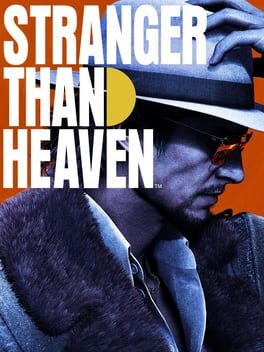
When SEGA opened the doors of its London studio last week, the invitation was not merely a media preview but a strategic signal that the Japanese publisher is positioning itself at the crossroads of heritage and innovation. The upcoming title, Stranger Than Heaven, arrives at a moment when the market is saturated with period‑driven experiences that lean heavily on nostalgia, yet it promises to blend the gritty realism of historical combat with the narrative depth traditionally associated with the Yakuza franchise, a lineage cultivated by RGG Studio over the past decade.
Historically, SEGA’s forays into the historical action genre have been sporadic—think of the mixed reception to titles like *Total War: Shogun* and the more recent *Sonic Frontiers* experiment with open‑world design. Stranger Than Heaven, however, is the first full‑scale effort that attempts to marry a meticulously researched Edo‑era backdrop with a modern, cinematic combat system, aiming to satisfy both hardcore historians and the core gamer demographic that craves visceral, skill‑based gameplay. The timing is crucial: with the next‑gen consoles entering their second year of life and subscription services redefining revenue models, a title that can command both critical acclaim and sustained player engagement could reshape SEGA’s market share.
What Happened?
During the hands‑on session, the press was granted access to the game’s broader campaign structure for the first time, moving beyond the combat‑centric demos that dominated earlier showcases. The demo revealed a sprawling narrative that follows a disgraced samurai turned covert operative, navigating political intrigue across Kyoto, Osaka, and a fictionalized version of Edo that blends documented events with speculative storytelling. The gameplay loop interweaves large‑scale battlefield encounters with intimate, story‑driven set pieces, each punctuated by a robust dialogue system that mirrors the branching conversations popularized by the Yakuza series.
RGG Studio’s lead director emphasized that the development cycle, which began in early 2022, has been anchored by extensive archival research and collaboration with cultural historians to avoid the pitfalls of past historical titles that sacrificed accuracy for spectacle. The team also highlighted a new “Dynamic Morality Engine” that adjusts enemy behavior and faction alliances based on player choices, a mechanic that could set a new benchmark for player agency in action‑driven historical games. The launch window is slated for 15 January 2027, a date that strategically avoids the crowded holiday season while aligning with the post‑holiday sales lull, giving the title breathing room to dominate early‑year charts.
Analysis
From a market perspective, Stranger Than Heaven arrives at a juncture where the competition for players’ attention is increasingly fragmented across streaming platforms, cloud gaming, and traditional console ecosystems. SEGA’s decision to target both PlayStation 5 and Xbox Series X|S, while also promising a next‑gen PC experience, reflects an understanding that exclusivity is no longer the sole driver of sales; instead, cross‑platform parity and performance optimization will be decisive. Moreover, the game’s emphasis on a deep, story‑rich experience could attract a segment of gamers who have migrated to narrative‑focused titles on services like Xbox Game Pass, potentially expanding SEGA’s subscriber‑based revenue streams.
Technically, the integration of a dynamic morality system within a real‑time combat engine presents a formidable challenge. RGG Studio’s adoption of a hybrid engine architecture—leveraging Unreal Engine 5 for world rendering while employing a proprietary AI layer for NPC decision‑making—signals a willingness to invest heavily in bespoke technology. If executed successfully, this could not only differentiate Stranger Than Heaven from contemporaries like *Assassin’s Creed Mirage* but also provide SEGA with a reusable framework for future IPs, thereby amortizing development costs across multiple projects and strengthening the publisher’s long‑term pipeline.
XPLog Opinion
At XPLog UK we view Stranger Than Heaven as SEGA’s most calculated gamble in years: a bid to reclaim relevance in a market dominated by heavyweight franchises while simultaneously redefining what a historical action game can be. The blend of rigorous research, ambitious systems design, and the proven storytelling chops of RGG Studio suggests a title that could resonate far beyond its launch window, setting a new standard for narrative depth in action titles and forcing competitors to rethink their own approaches to period storytelling.
Final Thoughts
In sum, Stranger Than Heaven is poised to be more than a seasonal headline; it is a litmus test for SEGA’s ability to synthesize heritage, technology, and player expectations into a cohesive product that can thrive in an increasingly subscription‑driven landscape. As the January 15, 2027 release date approaches, the industry will be watching closely for post‑launch performance metrics, community reception, and the ripple effects on SEGA’s broader portfolio, making this a title worth tracking on every major gaming calendar.