
Overview
When Relic Entertainment unveiled Dawn of War IV, the announcement resonated like a distant thunderclap across a community that has long revered the Warhammer 40,000 real‑time strategy franchise. The original Dawn of War (2004) arrived at a time when PC‑centric RTS titles still commanded a sizable slice of the market, and its gritty, lore‑rich battles set a benchmark for narrative integration in strategy games. Over the ensuing decade, the series has been a barometer for how a beloved tabletop property can be translated to interactive media, with each sequel—Dawn of War II, the two‑player expansion Retribution, and the recent Dark Crusade—pushing the envelope in terms of squad‑based tactics, RPG‑style progression, and asynchronous multiplayer. This legacy has cultivated a core of players who expect each new entry not merely to polish the formula but to reimagine it, a tradition that has kept the franchise relevant despite the overall contraction of the RTS genre.
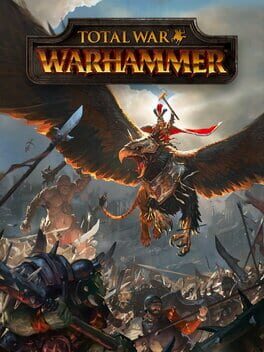
In 2024, the RTS market is a fragmented arena where legacy franchises battle against emerging live‑service models and the resurgence of turn‑based grand strategy titles. Companies like Creative Assembly have leveraged the Warhammer IP to dominate the turn‑based space with Total War: Warhammer III, while younger studios are experimenting with hybrid models that blend tactical depth with persistent online economies. Against this backdrop, Dawn of War IV arrives with the weight of both fan expectation and a commercial imperative to prove that a traditional, squad‑centric RTS can still thrive on modern hardware and across console ecosystems that have historically been hostile to the genre.
What Happened?
Relic announced that Dawn of War IV will launch on both PC and the latest console generations, a strategic move designed to broaden the franchise's reach beyond its historically PC‑centric base. The game retains the hallmark 30‑second squad micro‑management and the brutal, lore‑faithful depiction of the Imperium versus the forces of Chaos, but it also introduces a new “Strategic Command” layer that promises to blend base‑building with dynamic battlefield objectives. Early developer statements emphasize that the new layer is intended to “elevate the tactical decision‑making” without diluting the fast‑paced combat that defined the series, positioning the title as a bridge between classic RTS mechanics and the more accessible, session‑friendly experiences favored by console players.
While the core gameplay loops echo familiar territory—resource harvesting, unit upgrades, and point‑blank firefights—the announcement trailer highlighted a more cinematic approach to narrative delivery, with fully voiced cutscenes and a branching campaign that reacts to player choices. This narrative ambition suggests an attempt to emulate the story‑driven momentum seen in contemporary AAA titles, yet the developers have also warned that the campaign will be “modular” to accommodate future expansions. The decision to adopt a modular structure signals a shift toward a live‑service mindset, where post‑launch content can be delivered incrementally, a model that has proven lucrative for shooters and MOBAs but remains relatively untested for pure RTS experiences.
Analysis
The market implications of Dawn of War IV’s dual‑platform launch are profound. Historically, RTS titles have struggled to gain traction on consoles due to control scheme limitations and a player base that favors faster, button‑mash genres. By investing in a redesigned UI and offering controller‑optimized commands, Relic is attempting to dismantle those barriers, potentially unlocking a new demographic that has only experienced the Warhammer universe through turn‑based or action‑oriented titles. However, this ambition collides with the broader industry trend of RTS marginalisation; the genre’s share of global sales has steadily declined as players gravitate toward battle‑royale, hero shooters, and persistent online worlds. Dawn of War IV must therefore deliver a compelling value proposition—either through a groundbreaking hybrid system or by leveraging the Warhammer IP’s narrative gravitas—to justify its place in a crowded marketplace.
From a publisher perspective, SEGA’s stake in the franchise adds another layer of strategic calculus. SEGA has been diversifying its portfolio, betting on live‑service ecosystems and cross‑platform play to offset the waning performance of legacy IPs. Dawn of War IV’s modular campaign and planned post‑launch updates align with SEGA’s broader push toward recurring revenue streams, yet the risk is that a half‑hearted reinvention could alienate the franchise’s core purists while failing to attract the casual console audience. Competitors such as Creative Assembly’s Total War: Warhammer III have demonstrated that a deep, historically grounded strategy experience can succeed on both PC and consoles when paired with robust multiplayer and frequent DLC. Dawn of War IV will need to match or exceed that cadence to remain competitive, especially as the Warhammer brand itself becomes a contested arena for multiple developers.
XPLog Opinion
At XPLog UK, we view Dawn of War IV as a calculated gamble that could either re‑energize the RTS niche or cement its status as a nostalgic footnote. The game’s reverence for its predecessors is commendable—its art direction, sound design, and adherence to Warhammer lore are undeniably top‑tier—but the lack of a bold mechanical overhaul feels like a missed opportunity to redefine what a modern RTS can be. In an era where player expectations demand seamless cross‑play, live‑service longevity, and accessible yet deep gameplay, Relic’s incremental evolution may satisfy die‑hard fans but will likely fall short of converting the console‑centric crowd that SEGA is eager to court. The onus now lies on the post‑launch roadmap: meaningful expansions, balanced competitive modes, and a genuine embrace of community‑driven content will be the litmus test for whether Dawn of War IV can transcend its safe‑guarded design and become a catalyst for a new RTS renaissance.
Final Thoughts
In sum, Dawn of War IV arrives at a crossroads where reverence for a storied past meets the unforgiving demands of a shifting industry. Its success will hinge on how deftly Relic can balance the cherished tactical intensity of the series with the modern expectations of accessibility, ongoing content, and cross‑platform viability. Players and analysts alike should keep a close eye on the forthcoming beta windows slated for early 2025 and the first major expansion slated for Q4 2025, as those milestones will reveal whether the title can evolve beyond homage and truly reinvent the Warhammer 40,000 RTS experience for a new generation.