
Overview
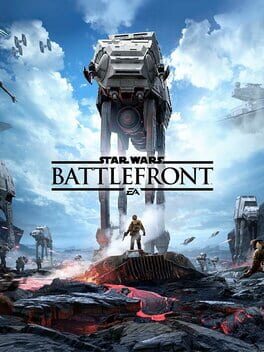
Electronic Arts has long walked a tightrope between blockbuster franchise licensing and the relentless churn of its own shooter studios. The Star Wars Battlefront series, launched in 2015 under the stewardship of DICE, delivered a visually spectacular but mechanically uneven entry that nonetheless sold millions and cemented EA’s foothold in the galaxy‑far‑far‑away market. Its sequel, Battlefront II, attempted to address the first game’s shortcomings with deeper progression systems and a live‑service model, only to stumble into a public relations maelstrom over micro‑transactions that forced the publisher to overhaul its monetisation strategy. These historic highs and lows have left the franchise at a crossroads, where fan expectation for authentic Star Wars combat clashes with the industry’s demand for sustainable, post‑launch content pipelines.
At the same time, EA’s internal shooter ecosystem has matured into two powerhouse entities: DICE, the veteran studio behind the Battlefield franchise, renowned for large‑scale, destructible‑environment warfare; and Respawn Entertainment, the creators of Apex Legends, whose battle‑royale pedigree has redefined fast‑paced, character‑driven gunplay. Both studios have demonstrated an uncanny ability to iterate on live‑service ecosystems, monetize without alienating core audiences, and push technical boundaries on current‑gen hardware. The prospect of fusing these two distinct development philosophies under a single Star Wars banner signals a strategic gamble that could reshape the competitive shooter landscape, especially as Sony, Microsoft, and Nintendo each vie for exclusive titles that lock in loyal player bases.
What Happened?
According to multiple industry insiders cited by Variety, EA is orchestrating an unprecedented collaboration between DICE and Respawn to birth the next installment of the Battlefront saga, colloquially referred to as Star Wars Battlefront 3. While EA has yet to release an official press statement, the rumor mill suggests that senior leadership has approved a joint development task force, pooling DICE’s expertise in large‑scale map design and environmental destruction with Respawn’s mastery of fluid gunplay and live‑service economies. The move appears to be a direct response to the mixed reception of Battlefront II’s post‑launch roadmap and a strategic attempt to reclaim the franchise’s reputation for quality and longevity.
Sources indicate that the combined team will operate out of both DICE’s Stockholm campus and Respawn’s Los Angeles studio, leveraging a hybrid engine architecture that blends Frostbite’s high‑fidelity rendering capabilities with the modular, network‑optimized backbone that powers Apex Legends. Early internal briefs hint at a target launch window in late 2025, aligning the title with the next generation of PlayStation and Xbox hardware while also supporting PC and cloud‑gaming platforms. The developers have reportedly been granted unprecedented creative latitude, with EA’s publishing arm emphasizing a “player‑first” philosophy that promises transparent communication, balanced progression, and a monetisation model that avoids the pitfalls of its predecessor.
Analysis
The convergence of DICE and Respawn could dramatically shift market dynamics in the premium shooter segment. Historically, franchises like Call of Duty have dominated annual sales cycles by delivering tightly integrated ecosystems that marry narrative content with competitive multiplayer. By uniting two of EA’s most technically proficient teams, the new Battlefront aims to challenge that hegemony not merely through brand power, but by offering a hybrid experience that marries massive, destructible battlefields with the quick‑match, character‑centric loops that have proven lucrative in the battle‑royale arena. If executed successfully, the title could capture both the hardcore Battlefield audience and the more casual, loot‑box‑averse Apex fanbase, expanding EA’s revenue streams and reinforcing its position as a dominant force in live‑service shooters.
However, the technical undertaking is far from trivial. Merging Frostbite’s heavy‑weight physics and large‑scale rendering pipeline with Respawn’s lightweight, latency‑optimized netcode requires careful architectural compromises, lest performance suffer on the very platforms that define modern multiplayer success. Moreover, the Star Wars IP imposes stringent creative constraints; any deviation from canon or perceived dilution of the franchise’s cinematic heritage could alienate the franchise’s most passionate devotees. Balancing these expectations while delivering a monetisation strategy that feels fair will be the litmus test for EA’s ability to learn from the Battlefront II backlash and set a new industry standard for licensed live‑service games.
XPLog Opinion
From XPLog’s perspective, the decision to marry DICE’s grand‑scale warfare with Respawn’s razor‑sharp, player‑centric design is a bold, if risky, masterstroke that could either resurrect the Battlefront name or entrench its reputation as a cautionary tale. The synergy promises a shooter that finally lives up to the cinematic scope of the Star Wars universe while delivering the tight, rewarding gunplay that modern gamers demand. Yet the venture’s success hinges on EA’s willingness to eschew short‑term monetisation tricks in favour of a sustainable, community‑driven roadmap—something the publisher has struggled with in the past. If EA can harness the combined talent of these studios and honour the franchise’s legacy, Battlefront 3 could become the benchmark for future licensed live‑service titles.
Final Thoughts
In the months ahead, the industry will be watching for concrete milestones: a formal EA announcement, a developer diary unveiling the hybrid engine, and perhaps a closed‑beta that showcases the promised blend of massive set‑pieces and crisp, character‑driven combat. Should the project stay on track for a late‑2025 release, it will arrive at a pivotal moment when the shooter market is ripe for disruption, and the Star Wars brand remains a potent draw for both nostalgic veterans and a new generation of gamers. Keep an eye on EA’s investor calls and major gaming expos—those will be the first arenas where the true ambitions of this unprecedented collaboration will be put to the test.