
Overview
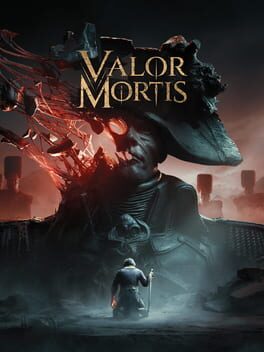
When One More Level announced Valor Mortis—a first‑person, Soulslike venture that marries the unforgiving combat of Dark Souls with the kinetic freedom of modern parkour—the industry reacted with a mixture of curiosity and skepticism. The project arrived at a moment when the market is saturated with high‑budget AAA shooters and a growing niche of indie titles that attempt to capture the “hardcore” spirit without the financial muscle of a triple‑A studio. Historically, first‑person Soulslikes have struggled to find a sustainable audience; titles like Mortal Shell and Ashen, despite critical praise, never achieved the sales velocity needed to offset development costs. Yet the appetite for fresh takes on the genre remains palpable, as evidenced by the resurgence of difficulty‑centric experiences on both PC and console platforms over the past five years.
Valor Mortis entered a crowded launch window, sharing its debut week with a new iteration of a long‑standing franchise, a surprise indie platformer, and a highly anticipated live‑service shooter. In such a competitive environment, breaking even within seven days is not merely a financial footnote—it signals a shift in how small studios can leverage community‑driven marketing, early‑access feedback loops, and cross‑platform release strategies to punch above their weight. The achievement also underscores the evolving economics of digital distribution, where lower platform fees, flexible pricing, and rapid patch cycles allow developers to iterate quickly and retain a larger slice of revenue than was possible a decade ago.
What Happened?
Valor Mortis launched on PC, PlayStation 5, and Xbox Series X|S simultaneously, offering a full-priced experience at $39.99, a price point that sits comfortably between premium indie titles and lower‑tier AAA releases. Within the first 48 hours, the game amassed over 120,000 concurrent players across all platforms, a figure bolstered by a robust pre‑launch community that had been cultivated through a series of developer diaries, open beta sessions, and strategic collaborations with well‑known streamers in the Soulslike sphere. The developer, One More Level, reported that the initial wave of sales covered all development and marketing expenditures, effectively reaching the break‑even threshold after just seven days of operation.
Key to this rapid profitability was the game's innovative monetisation model. While the base game remained a one‑time purchase, One More Level introduced a modest seasonal pass that offered cosmetic upgrades, optional challenge packs, and a roadmap of post‑launch content that respects the core gameplay loop without veering into pay‑to‑win territory. The studio also secured a publishing partnership with a mid‑tier digital distributor, which provided front‑loaded marketing support and a revenue‑share agreement that favoured the developer—a reversal of the traditional model that often sees indie studios cede a larger percentage of earnings to publishers.
Analysis
The financial success of Valor Mortis is a case study in how disciplined scope management and community‑first development can offset the disadvantages of limited budgets. By focusing on a tightly scoped core experience—first‑person combat, precise wall‑running mechanics, and a deliberately austere narrative—the studio avoided the feature creep that has plagued many indie projects. Moreover, the decision to launch across all current‑gen consoles simultaneously expanded the addressable market, mitigating the risk of platform‑specific sales slumps that have historically hampered indie profitability. In the broader market context, this performance challenges the prevailing notion that only high‑visibility, multi‑million‑dollar marketing campaigns can secure a profitable launch window.
From a competitive standpoint, Valor Mortis forces larger publishers to reassess their approach to niche, difficulty‑driven titles. Companies like FromSoftware have long dominated the Soulslike conversation, but the emergence of a profitable first‑person variant suggests that there is still untapped demand for fresh perspectives within the formula. Additionally, the game's success may accelerate the trend of hybrid genre experiments—combining first‑person shooters with traditionally third‑person, methodical combat systems—encouraging other studios to explore similar cross‑genre designs without fearing immediate financial ruin.
XPLog Opinion
At XPLog UK we view Valor Mortis as a watershed moment for the hardcore segment: it proves that a meticulously crafted experience, backed by transparent communication and a fair monetisation ethos, can thrive even when launched against heavyweight competition. The title demonstrates that the market rewards authenticity and depth over flashy spectacle, and it should embolden other indie studios to pursue ambitious design goals without compromising financial viability. In an industry increasingly dominated by live‑service ecosystems, Valor Mortis reminds us that a well‑balanced, single‑player adventure still commands a passionate, spend‑ready audience.
Final Thoughts
Valor Mortis’ rapid break‑even is more than a headline; it is a blueprint for sustainable indie success in a saturated market. As One More Level rolls out its first post‑launch content slate and prepares for a potential expansion into cloud‑gaming services later next year, the industry will be watching closely to see whether this momentum can be maintained. For players, the takeaway is clear: high‑quality, challenging experiences are far from extinct, and the next wave of genre‑bending titles may well be born from the same disciplined, community‑centric approach that propelled Valor Mortis to early profitability.